
A SUON DI SCALPELLO
Η δύναμή μου τελειοποιείται στην αδυναμία
July 29, 2024
The Republic of Letters (Insieme al Tuono)
We must set our sights on a resurrection of human history and culture, and make that the objectual secret of our thinking, of our future.
Giuseppe Fornari
… the moral law is no longer valid.
Death in Venice
*






I.
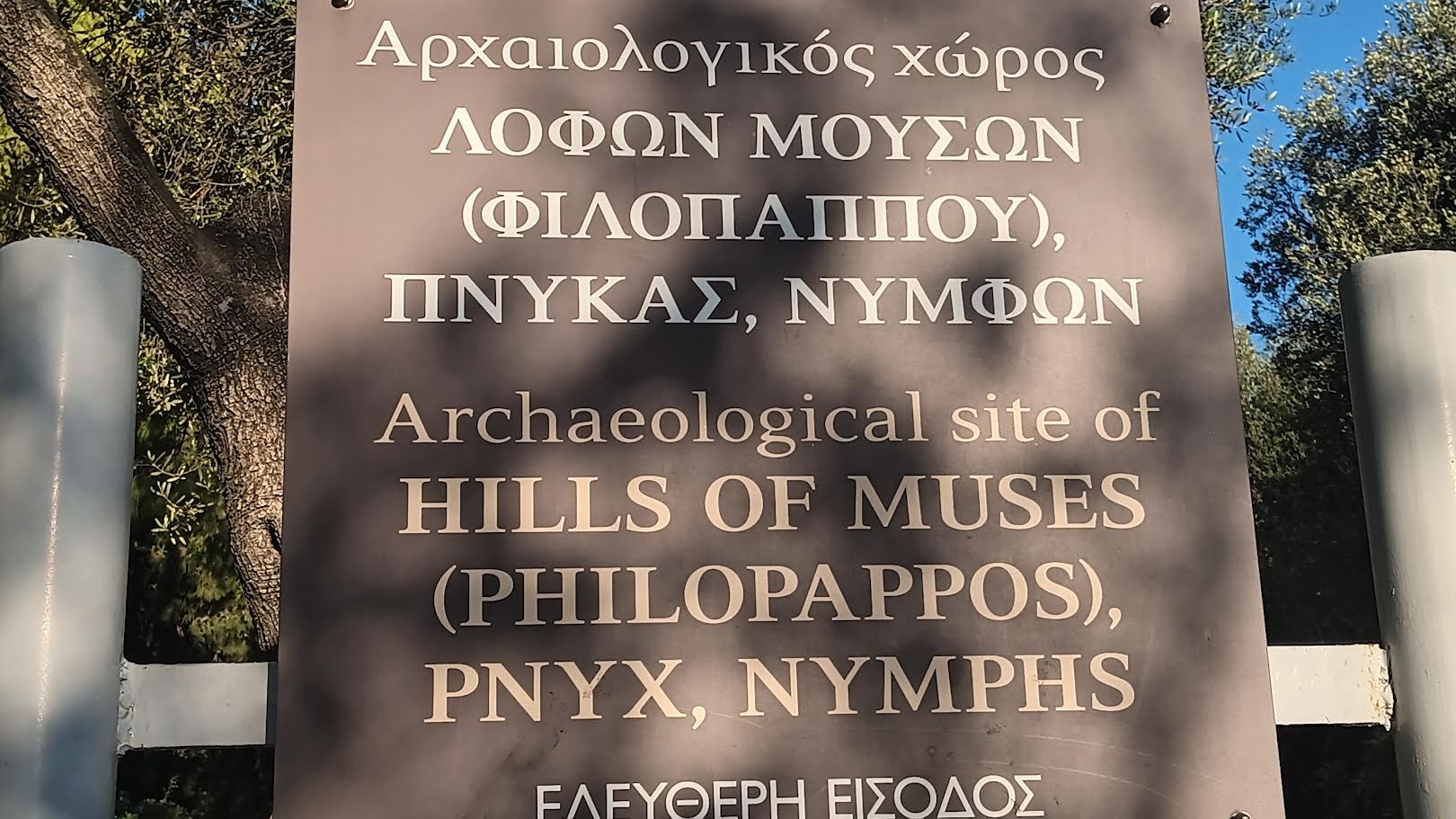
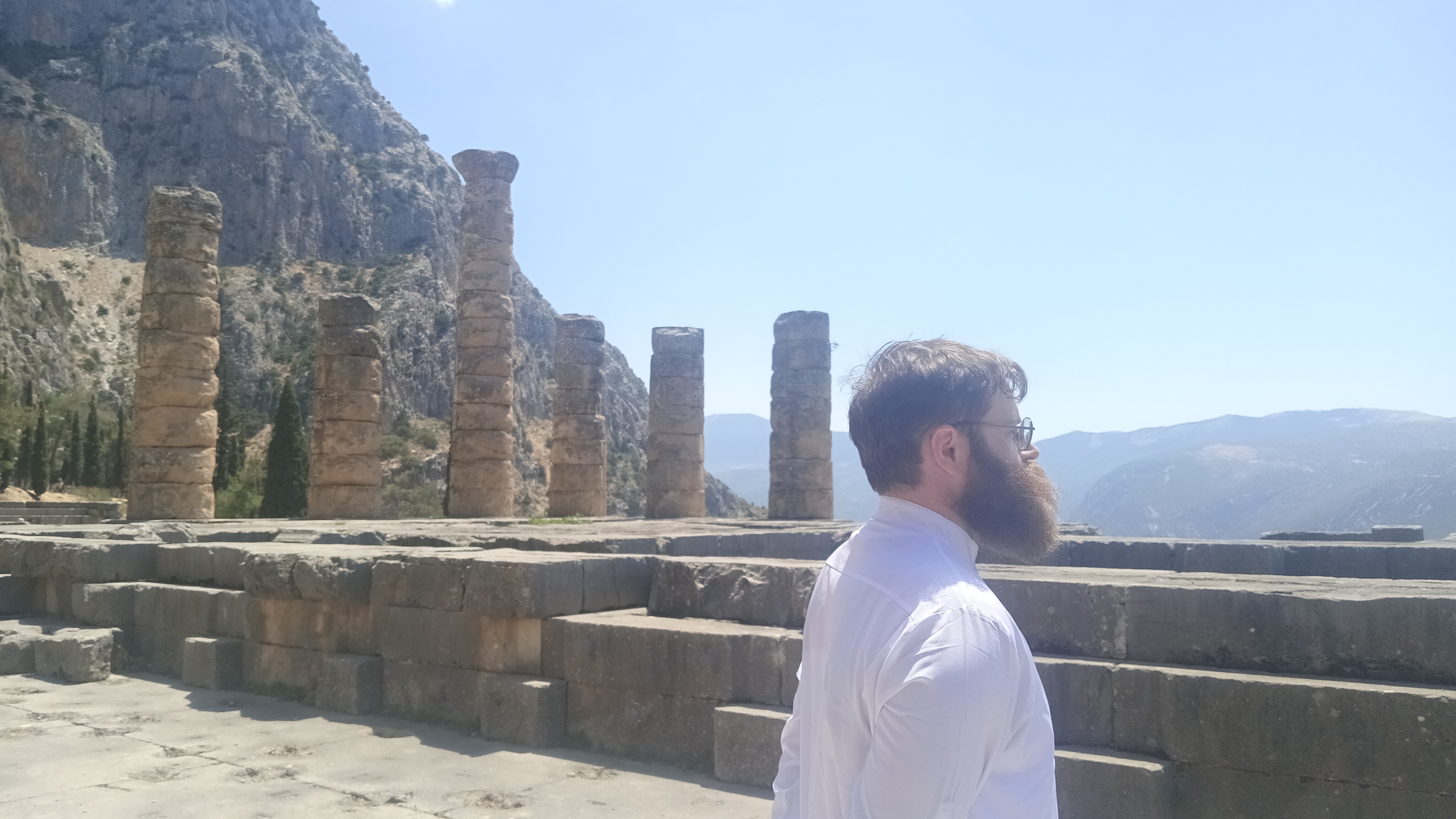
§ At the Prison of Socrates, on the Hill of Muses, I let Hogg: A Screenplay return to its incubatory mode.
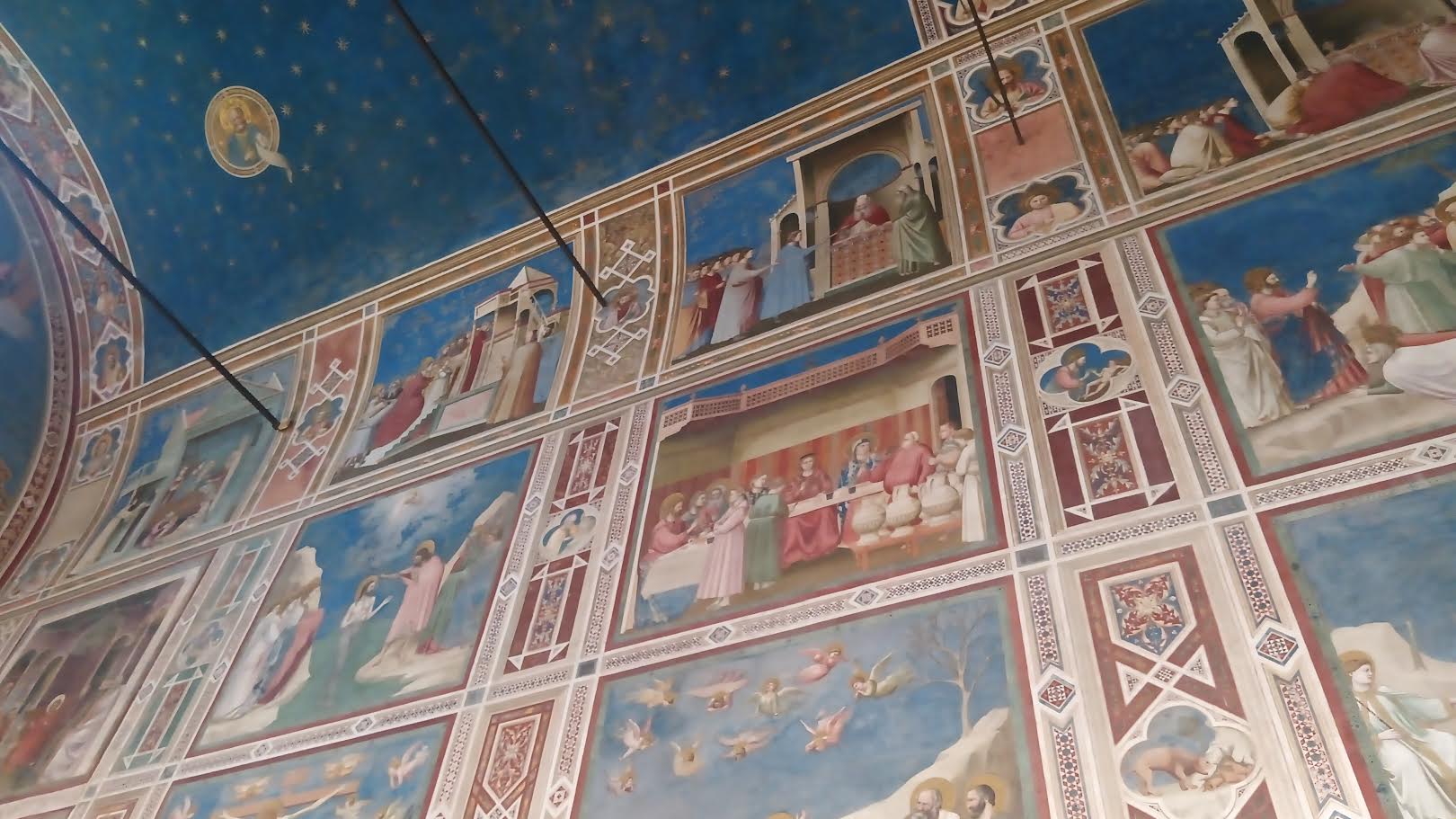
§ Redentore in Venice; Casa Leopardi; my Appointment in Padova; Berlin Nocturnes … Bayreuth, the mountains of Austria …
§ But first, Athens, Delphi, Chora, to say nothing of the rest.
II.
§ For the pictorial journal-experiment I promised to keep accompanying prose as simple as possible.
§ I know neither the meaning of life, nor the meaning of meaning, and thus I am wandering about, annotating the Iliad, amongst other things.
§ By night at Athos.
§ To every sentence, a wealth of further contemplative material, insight, to be refashioned poetically and otherwise, at another time.
III.
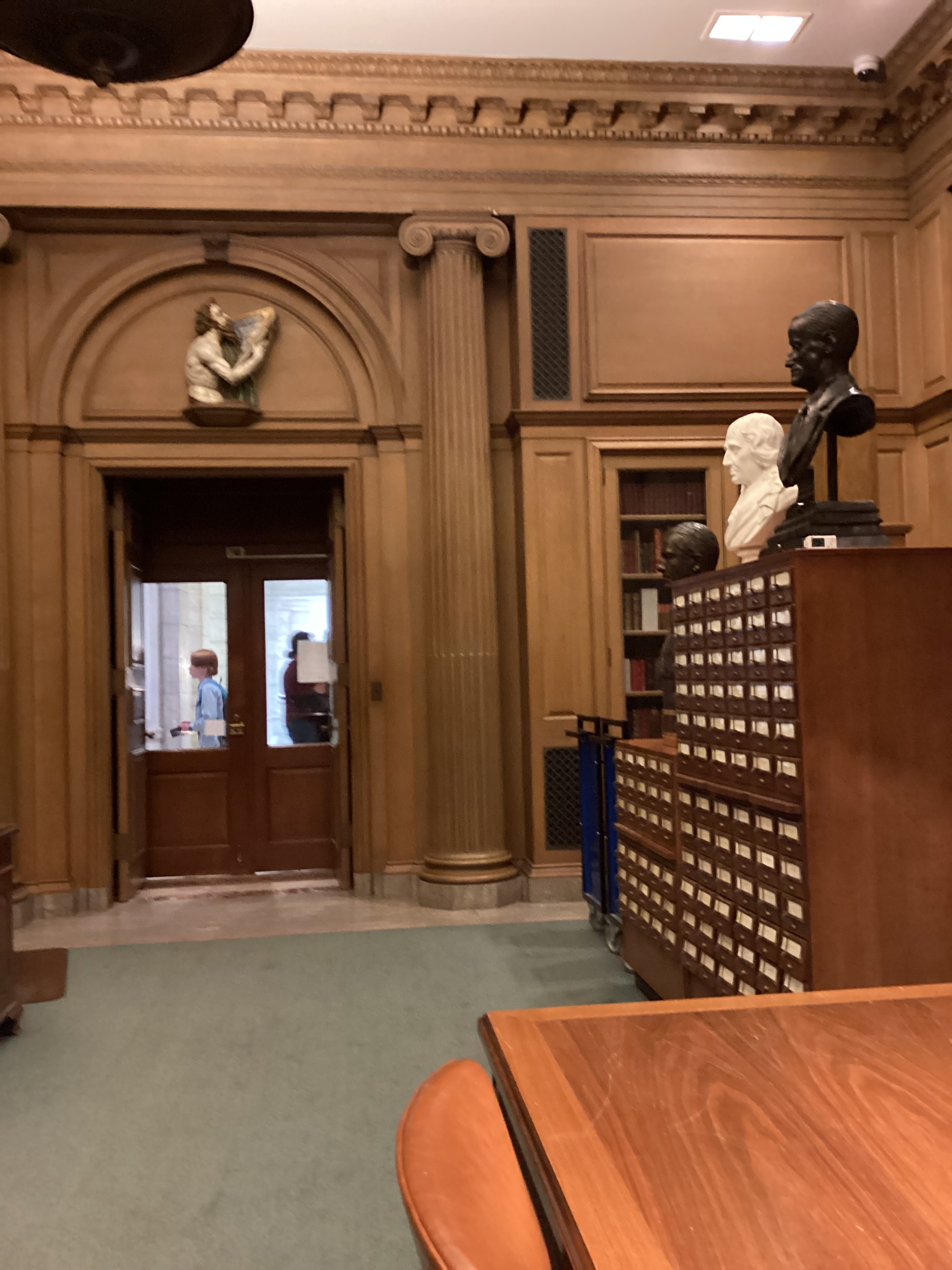
§ These are my thoughts, at the Hill of Muses, collected on postcards, scraps of paper, receipts, and floor-plans of the Firestone Library.
§ As there are horror films, there is likewise horror music: to hear out of the blue, in a foreign land, an American woman’s voice.
§ A sign to retreat further, ever further, into the Hill of Muses.
IV.
§ Demosthenes in Dublin’s National Gallery, mouthful of pebbles; Savonarola’s Hieronymus; coffee table book: Ezra Pound in Italy.
§ Relinquish sacrifice, relinquish guilt, and there you have it, with eyes that could shine like meteors and be gay: consolation.
V.
§ In Venetian rain, hair wet (yes, I see, feel, indeed it is) — long reduplicating days of training wet at the Ca — our nocturnal underpass on the eve of Redentore, our side of the Rialto Bridge, immortalized — “ah, I love this country!”
VI.
§ And I shall dispatch to you and all the land, soon, my Homage to Leopardi, drafted in Recanati itself.
§ At the prison, then, I thought: in the written construction of Genesis, the author, confusing mythological cartography with the inception of Being, in narrative form let unfold what Jack Spicer would say thousands of years later: poet, be like God: the act of attempting to describe the act perfectly fuses the prospect of the fact with the conceptualization of the prospect of the fact, from inception, to narrative, to reception.
VII.
§ In order to write God, one must see God in oneself, which is consistent with biblical teaching, that the kingdom is within.
§ In writing any of this, the writer – through contemplation and a leap of faith – becomes godlike, in describing God.
VIII.
§ Which is not to say that writers and readers of Creation narratives are gods.
§ But gods are characters; and characters are gods.
§ What one is saying furthermore is that in addition to the idea that the kingdom of God is within is that the cognitive and imaginative conceptualization of the essence of the manifestation of Being calls for a mutual summoning; this summoning is material hermeneutics, on the grounds of language itself being material.
§ The terminally dull have called you mad: child, you are one catastrophe away from being in business.
§ And thus one drinks from the Pierian Spring and loses track of things — Strauss, via Karajan.
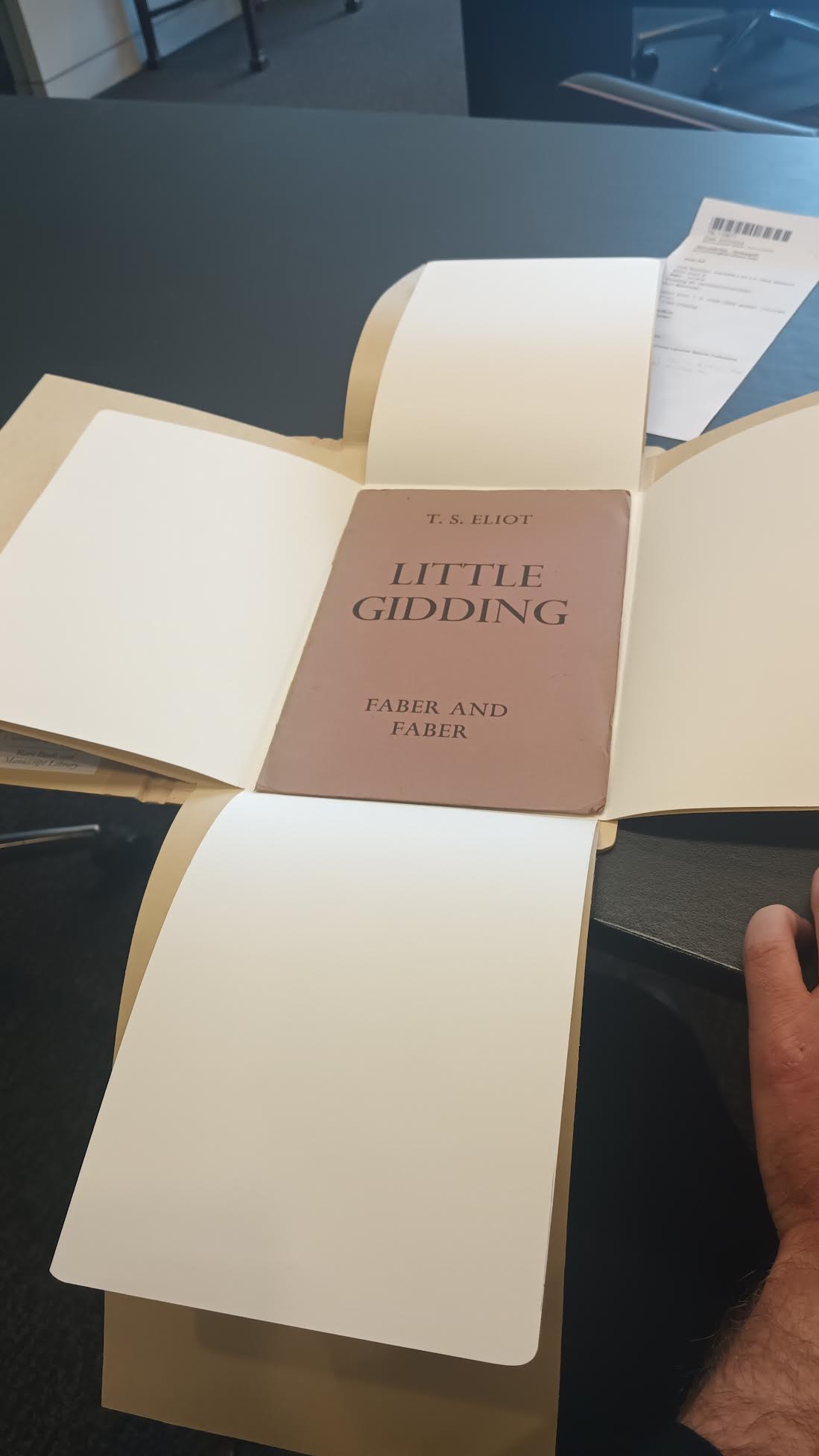
§ Heavy, turbulent nights: annotating Eliot, then walking without ceasing.
IX.
§ A terminus, if one will, to the limits of bending to the will of the unoriginal, the odious, and the barbaric.
§ One should be less like a poet, or a scholar, or even a volcanologist, but rather like a volcano itself.
§ The Hymn to Recanati – for you, sufficient grace.
X.
§ Light traveler, albeit armed with books, some brought, others acquired, others still gifted: if the books did not mean so much to me I would relinquish them, like objects less integral than perceived when one is delirious along the Camino.
§ But then the trepidation of physical distance disintegrates, moving from where one wants to be, to where one needs to be.
§ For everything is clear save the obvious.
§ “Together with the thunder”:
§ And chorus is a symbol of memory, centered in refrain.
XI.
§ Faint, rhythmic incantations from the direction of the Acropolis; shuffle and murmur of various tongues and animals.
§ Not another soul in sight, here at the prison.
XII.
§ A hidden outdoor chapel, or at least one with windows open?
§ Perhaps that is where some have gathered, setting down laurels for thorns.
§ Looking over the prison cells, I compare them with what I understand of such contemporary structures.
§ An element, along with Judas (thank you, L— of Cripplegate), to examine in the unfolding Fornari/Nietzsche/Milton book.
§ All too soon an hallucinatory sworl in the sand: thousands of tiny ants, scrambling, glistening, as the cicadas roar in the blazing summer sun.
§ Dispatches from Armorica, moving further into the early Greek concept of the soul, and Psyche.
§ I have brought little with me: socks, shirts, toiletries, a handful of books which were designed to the intensify the light of Egypt, ranging from Harmless on 4th c. monasticism to a translation of Flaubert’s Tentacion I’ve yet to read.
XIII.
§ Resume with day to day life in Greece, where unfolding works collide with persons and places in unreal time, far from the insane asylum that is the U.S.A.
§ St. Paul’s hill is around here; sit down awhile on the way to the Apollo Hotel.
XIV.
§ Remember William Blake on Paddington; all day through heaven; in the heart of the heart of a profound translation.
§ Berlin nocturne: the non-simultaneity of simultaneity and Genesis in parallel [redacted] as the breaking apart and reconnection of bodies.
§ Berlin nocturne: not quite yet.
§ Descending the Hill of Muses, here comes everybody, all shapes, forms, of language-material symphonies; but one is hovering elsewhere by then, as it were, paring one’s fingernails.
XV.
§ One may as well strive to comprehend whatever made all of this has been up to ever since, as to vainly penetrate the self-mythologizing, poetizing philosopher.
§ The less the artist is concerned with hermeneutic facticity, the more jobs there shall be for future scholars; for one who breaks with that bourgeois love of simple artificial order, with its roots in discussing the weather, which always strikes one as code for something else, does the intellectual job market of the future a great service.
§ Vast questions, vast secrets, vast silence: and silence, says Pierre, becomes this grave.
§ Much work is to commence, continue, come autumn; but first one must voyage au bout de la nuit …
§ I remember you well, at Apollo Hotel –
§ And that the external odyssey is at very best half the odyssey itself.
§ Religious verse is dreadful, says Leopardi, except for John Milton.
§ To the Apollo Hotel —
§ χαίρετε!
July 13, 2024
Delphic Journal: Arbitrary Prescript
To the Persian Faerie Queene, Fifth Descendant of the Shah, HB, Ever-Faithful Constant, Whom I Met as the Odyssey Took Form, & Hope to See Soon — [Are we not writing a book of our own, a book within a book — a book within the Book of Life?]
But how do beings become more existent, or also more nonexistent? That depends on being itself and on how being sends itself to the human.
Heidegger
This book was originally entitled the Egypt Journal. My plan was to have a series of sequential paragraphs, or constructions, orbit around time spent at the pyramids, in Alexandria, the Cave of St. Anthony, before a nocturnal voyage to Jerusalem, and beyond. Unfortunately, extreme heat and border issues (things which of themselves never dissuaded me) were symbolically amplified by a crisis at the Port Authority, something perfectly Homeric which transpired in all of two seconds, and forced my Egyptian and Israeli co-revolutionists and I to reschedule. Perhaps this autumn, perhaps the next.
The plan is to have a complete draft of my second volume of poetry, radically unlike the first, conclude as my wanderings themselves conclude, all the while philosophizing and poetizing as global flaneur. More on the second volume of poetry soon — I am presently writing on a bus in Leipzig, both keyboard and Wi-Fi shaking, though the time to delay the unfolding journal has passed.
The poetry is all coming into fruition without issue. Good, then, for there is more time-sensitive material on the horizon, which must commence this autumn.
An integral part of the odyssey is to commence what I have been over the past two months contemplating as the beginning of the “second wave” of my work. I think a line can be traced from my first published works to drafts from spring 2024 which, of course, can also go on indefinitely and be considered the line or golden thread of one’s life … but the work from this point forth is part of a critical departure from the aura of proceeding work. Time will tell to what extent this inference was, is, salient.
Together, the second wave and its inaugural wandering seek the task of overcoming not others but myself on the way to an artistic, mental, and experiential cultivation without limits, or gloves off. Such is the philosophical life as spiritual exercise, philosophical poetizing as the overcoming of the self.
And so in the midst of dark sacred wood gone up in smoke, Egypt and Jerusalem less nearer and nearer than temporarily albeit hermetically sealed off from me, I knew not what to do, standing there in the revolting puzzle of pedestrians that is the Port Authority, at the mercy of the unthinking torrent, I knew not what to do with the A train all but seven minutes away. I considered panicking and cancelling; but life is too long for all of that.
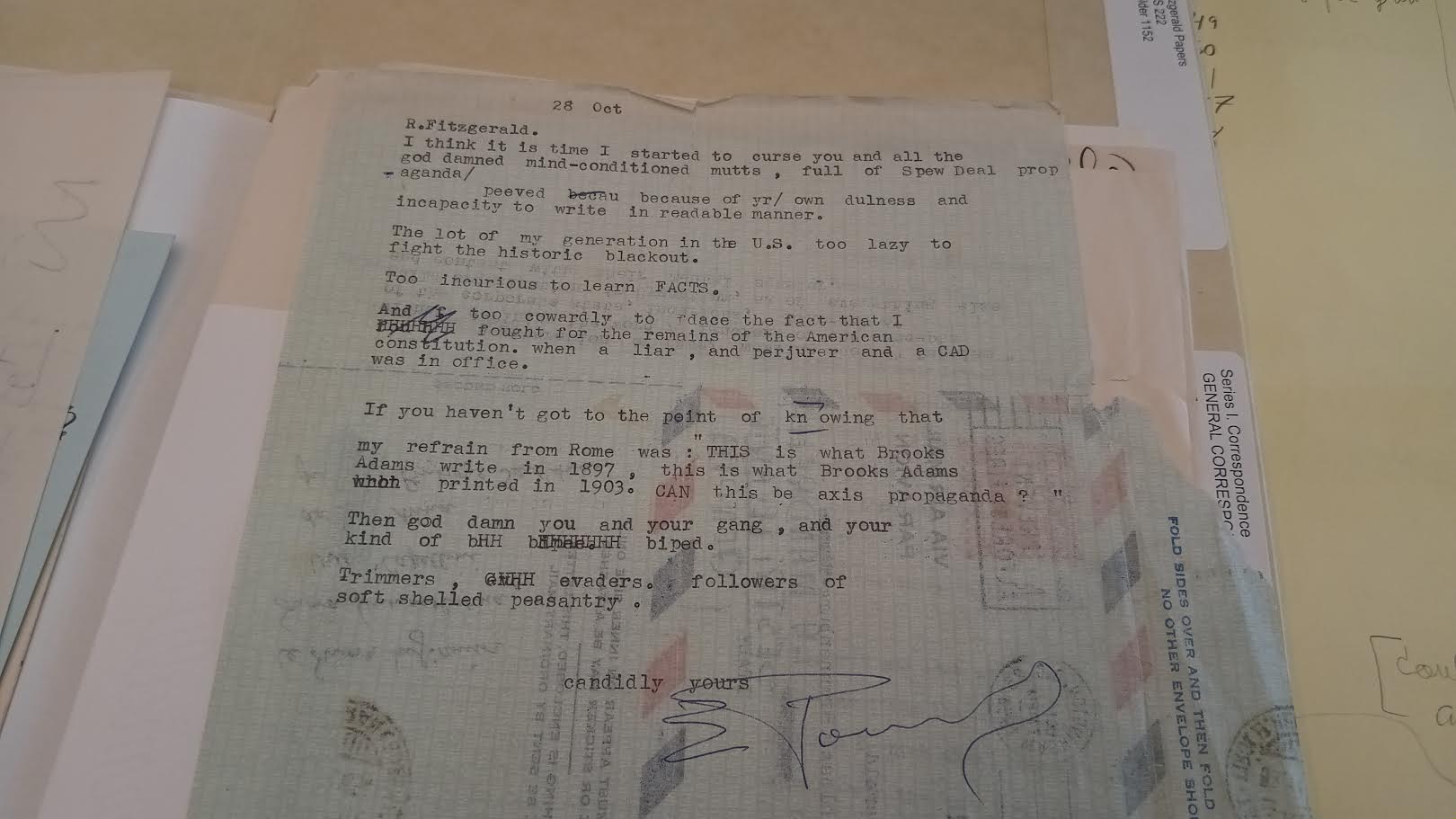
But the odyssey only begins there to one extent. To another, it begins in the Firestone Library, having earlier that day spent some fruitful hours with some papers of Ezra Pound at the Kislak Center, before heading into New Jersey, annotating Eliot’s Four Quartets along the way, for a meeting of the volcanologists.
Is the wandering a means by which to remove oneself from one’s study from time to time, to be out in the world in order to return to the one that one is creating in isolation, like the author-god of Joyce and Flaubert? Today a library is technically portable, though the key word here is neither library nor portable. One goes out into the world, perhaps, in order to see how little one is missing out on; how repellent everything is that is not one’s work. Nothing has caused more needless suffering amongst beings than confident optimism. How can we gauge the spirit of the age? I remember asking out on Nassau, now peering down the tunnel for a train light, —— responding, Its glacial decay may be considered thusly: when we learn that a book which interests us “could never be written today”, or “does not abide by today’s scholarly method”, then at once we know the book is worth reading. I think of this, watching three rats navigate the polluted tracks.
As for wandering, its own sort of lectio divina, if one is lucky one finds a place to his liking, and someday returns, either for a spell or indefinitely. One may also meet a person, or persons, to one’s liking, and relations flourish from there. Though I do not suspect anything of the sort happening during this sojourn. And yet what I suspect has nothing to do with what is in store. Nevertheless, my capacity for small talk is at wits end. I recall the nocturnal conversation in Berlin, with ——-, the eye doctor, my anti-Tolstoyan nymph. I do not care to discuss the weather, having realized that the weather arises when someone would rather be saying something else. And what else would one rather say?
The crux of it lies in concealed and to-be-unconcealed works of literary art. I am no longer sure what to do with the mystical prose poem, and while I think the second collection of poetry could easily be in polished form by the end of the year, I cannot decide whether to construct limited runs of pearl-cloth hardcovers, or do something else with it, them.
I said to my soul, be still, and wait without hope
For hope would be hope for the wrong thing; wait without love,
For love would be love of the wrong thing; there is yet faith
But the faith and the love and the hope are all in the waiting.
Such was my first stop-point in the annotations. I revisited it in crisis, as I realized that my encounter with the Father of Terror, the Sphinx, would really be postponed. Consciousness of despair, desolation, is consciousness of things as they are. Such is less a matter for the medicinal than it is the linguistic.
The narrative is no doubt jagged. Polish, like stillness, comes later.
Thus all of this being the case, I set out at once for Greece, the acquiescence of sanity too onerous a burden. Let one walk with masters, in order to overcome the paralyzing mediocrity, the criminal stupidity, the puritanical psychosis of one’s age. For it is nobler, I thought, getting into the train, to seek out the long dead who endure with a spirit greater than life itself, than it is to suffer the living dead, so that one may be in good company as one does nothing of significance on the way to death. A leap of faith is thus in its barest bones a moment of lucid, long-term thinking: should one turn out deluded, with hopes merely unrealistically grandiose, well, then at least we can say that one tried to do something interesting.
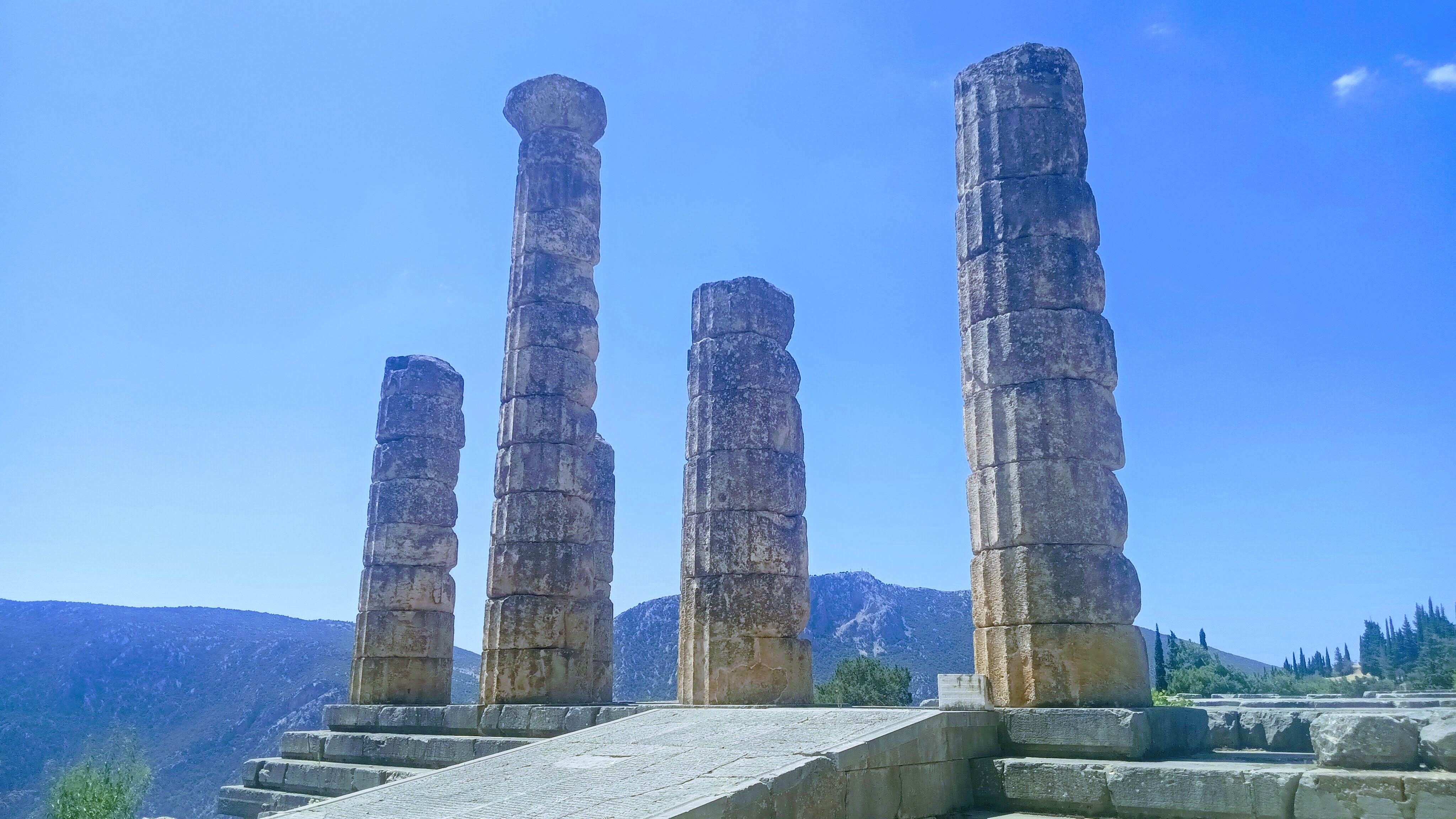
Begin, then, priests of the muses, at the Temple of Apollo, where light still shines in the darkness, and contrary to popular belief, the oracle still speaks, to the etherized disciple willing to not only overcome one’s age, but oneself.
Because there is no inherent purpose, no intrinsic meaning: such is the purpose and meaning behind giving one’s life a meaning of its own.
It is doubtful that any mystical ascent is to be acquired through prayer or psychedelics. Rather, one must take the overcoming of the self to the threshold of ascension, with an utter indifference toward acknowledging or even knowing — let the cloud of unknowing be pierced by the ladder of ascent: do not try to alter it or comprehend it, but instead, climb it, until the end of the world.
I have but one reader:
Fate.
October 12, 2023
Work Coming & Work Complete


[Emily Strong, 2023]
From the Preliminary Remarks:
” … nature’s bonfire burns on.”
HOPKINS
As I transitioned from exclusively writing literary works into the sphere of biographical writing – I am at present working on my first biography, that of the Homer translator, poet, scholar, and friend of Flannery O’Connor, Robert S. Fitzgerald – I became at the same time increasingly interested in deliberate collaboration between the visible and invisible. And to this end, I had long felt in wandering museums that there are not enough portraits today: anyone can take a thousand crystal-clear photographs with a phone; but painted portraits seem, alas, bound to the museum. Moving beyond the surface-level intuition of artists in pursuit of poets, and vice versa, it struck me that the natural collaborative form and all the potential it entailed had come to seem like something we once did.
There is some interesting work ongoing in Philadelphia, collaborations between writers and artists; but I fear it is very unorganized. Working with the son of C.K. Williams on a textual-artistic collaboration gave me a taste, especially as Jed’s father’s book on Whitman is one I am fond of using in the classroom, of the visible and the invisible merging. But more deliberation was needed: to contemplate works of literary art which lend themselves to illustration, as well as greater dialogue in general with visual artists.
One year ago, then, in October 2022, I distributed a letter asking acquaintances to send artists my way whom I might contact for a portrait, in particular artists active in NYC, Philadelphia, &c. – I was just another Gertrude Stein in need of a Picasso.
I looked at many catalogues of contemporary artists, all of whom were very talented in distinct measures. But to me there was an essence about the work of Emily Strong that struck me as transcendent. This initial feeling has been solidified by having seen her work in person, including my very own portrait.
To offer such an observation, I know, demands specificity: which particular works is he talking about? What exactly does he mean by transcendent? Why does he not offer detail on his interpretation of perhaps three separate works or so?
Firstly, this brief response to Strong’s portrait is exactly one thousand words long, in keeping with the old adage. Secondly, when the time is right (no one knows the day or the hour!), I would like to offer a full-length article exploring Strong’s works. I believe that in approaching a dozen of them, with some ideas of the French phenomenologist Michel Henry in mind, a salient essay may be at hand.
For when Strong’s work was first brought to my attention, I was reminded of films, literary works, even theological languages – ranging from occult history into the great martyrs and heretics across time, into actual biblical imagery itself – as well as issues of existence more generally: the human condition; the concept of its object in particular, in a fashion other contemporary artists did not draw out of me.
To see some of the vaster canvasses in person, then, at the mansion in Catasauqua, is a profound experience. I do not use the word ‘profound’ carelessly. For one giving a talk on Henry James at this year’s MLA in Philadelphia, and with The Turn of the Screw on my mind, could a portrait find a better culminative place than a haunted mansion? To see my own portrait hanging on the wall stunned me in the way it has since stunned other viewers: there is a collective instinct to come closer, examine the work, and whisper about how much is happening within the painting itself.
*
The larger works of Strong’s which first caught my attention called to mind a phrase from Ezekiel, whom William Blake has always reminded me of: “Because I was flesh.” This phrase likewise has the distinction of being the title of what is probably the greatest American literary work of art to date, in Edward Dahlberg’s Because I was Flesh. Here at last literary prophecy and apocalypticism (through Blake and Ezekiel) fused with narrative perfection (Dahlberg) – and here Strong brings it out, and renders it visible.
*
As a society, we face so many different crises that on top of all of them together, we suffer from a crisis of being unable to concretely assess our multitude of crises. Political, existential, technological, sure: but also spiritual, pharmaceutical, economical, and even aesthetic. In terms of the latter, I believe we have an opportunity: a greater deliberate fusion between the visible and invisible, as a means by which to revolutionarily reassess the ontological crisis that is contemporary existence.
Of the desire to reconsider portraits of literary artists, as well as written reflections of visual artists, there is another prescient dimension: artificial intelligence, automation and simulation, things which force us to reconsider the soul of the work of art, even if we do not believe in the soul.
Let us observe that this specter of sentient artificialness forces us to reconsider the essence of mortality, or finitude. What the great prophets such as Baudrillard and Benjamin saw many moons ago is in fact the reality within which we find ourselves. As Robert Musil could write: “Pseudo-reality prevails.” Does it? Time shall tell.
But the very idea of pseudo-reality prevailing also offers us an unparalleled chance for immersion into psychic worlds previously imperceptible. I partially noted this a couple of years ago in employing Musil as epigraph for my book Until the Sun Breaks Down: A Künstlerroman in Three Parts – but then one does not expect anyone to read 1,100-page philosophical novels!
Still, I think the point stands that unprecedented crisis – let us call it, The Apocalypse of the American Soul – is not simply an entranceway into nihilism and despair. Such things are always reliable and ever-present – but they are also tools, groundworks, vessels, with which to apprehend the crisis of the present moment, deliberately fusing the visible and invisible.
Rimbaud once referred to “the time of the assassins” – why don’t literary, artistic, cinematic, and musical assassins … unite and take over?
September 9, 2023
The Ways of Paradox: California & Montreal
XXX. [HERMES ON SALE]
Γλύψας ἐπώλει λύγδινόν τις Ἑρμείην.τὸν δ᾿ ἠγόραζον ἄνδρες, ὃς μὲν εἰς στήλην(υἱὸς γὰρ αὐτῷ προσφάτως ἐτεθνήκει),ὁ δὲ χειροτέχνης ὡς θεὸν καθιδρύσων.ἦν δ᾿ ὀψέ, χὠ λιθουργὸς οὐκ ἐπεπράκει,συνθέμενος αὐτοῖς εἰς τὸν ὄρθρον αὖ δείξεινἐλθοῦσιν. ὁ δὲ λιθουργὸς εἶδεν ὑπνώσαςαὐτὸν τὸν Ἑρμῆν ἐν πύλαις ὀνειρείαις“εἶεν” λέγοντα “τἀμὰ νῦν ταλαντεύῃ·ἢ γὰρ με νεκρὸν ἢ θεὸν σὺ ποιήσεις.”
XXXI. [THE MICE AND THEIR GENERALS]
Γαλαῖ ποτ᾿ εἶχον καὶ μύες πρὸς ἀλλήλουςἄσπονδον ἀεὶ πόλεμον αἱμάτων πλήρη.γαλαῖ δ᾿ ἐνίκων. οἱ μύες δὲ τῆς ἥττηςἐδόκουν ὑπάρχειν αἰτίην σφίσιν ταύτην,ὅτι στρατηγοὺς οὐκ ἔχοιεν ἐκδήλους,ἀεὶ δ᾿ ἀτάκτως ὑπομένουσι κινδύνους.εἵλοντο τοίνυν τοὺς γένει τε καὶ ῥώμῃγνώμῃ τ᾿ ἀρίστους, εἰς μάχην τε γενναίους,οἳ σφᾶς ἐκόσμουν καὶ διεῖλον εἰς φρήτραςλόχους τε καὶ φάλαγγας, ὡς παρ᾿ ἀνθρώποις.ἐπεὶ δ᾿ ἐτάχθη πάντα καὶ συνηθροίσθη,καί τις γαλῆν μῦς προὐκαλεῖτο θαρσήσας,οἵ τε στρατηγοὶ λεπτὰ πηλίνων τοίχωνκάρφη μετώποις ἁρμόσαντες ἀκραίοιςἡγοῦντο, παντὸς ἐκφανέστατοι πλήθους.πάλιν δὲ φύζα τοὺς μύας κατειλήφει.ἄλλοι μὲν οὖν σωθέντες ἦσαν ἐν τρώγλαις,τοὺς δὲ στρατηγοὺς εἰστρέχοντας οὐκ εἴατὰ περισσὰ κάρφη τῆς ὀπῆς ἔσω δύνειν.[μόνοι θ᾿ ἑάλωσαν αὐτόθι μυχῶν πρόσθεν]νίκη δ᾿ ἐπ᾿ αὐτοῖς καὶ τρόπαιον εἱστήκει,γαλῆς ἑκάστης μῦν στρατηγὸν ἑλκούσης.Λέγει δ᾿ ὁ μῦθος “εἰς τὸ ζῆν ἀκινδύνωςτῆς λαμπρότητος ηὑτέλεια βελτίων.”
Babrius
*
Turn to the Lesson of St. Eleutherius on the following day. St. Eleutherius is there said to have reigned in the time of the Emperor Commodus who was the son of Marcus Aurelius, and yet we know that Eleutherius reigned before Urban, the order of the popes being Eleutherius, Victor, Zepherinus, Callistus, Urban. It will not do to say that the Marcus Aurelius under whom Urban is placed was not the father of Commodus but a later person of the same name, for the Lessons of St. Cecilia tell us she suffered under Commodus and that Pope Urban was reigning in those days. Besides, according to Eusebius and other historians Urban did not succeed to the Primacy under anybody with the name of Marcus Aurelius, but under Alexander the brother of Heliogabalus.
St. Robert Bellarmine as quoted in the Dubia quaedam de Historiis in Brevario Romano positis [Le Bachelet, Auctarium Bellarminianum, 461-66].
*
Q: You don’t seem to have much use for your fellowman or do many good works.
A: That’s true. I haven’t done a good work in years.
Q: In fact, if I may be frank, you strike me as being rather negative in your attitude, cold-blooded, aloof, derisive, self-indulgent, more fond of the beautiful things of this world than of God.
A: That’s true.
Q: You even seem to take certain satisfaction in the disasters of the twentieth-century and to savor the imminence of world catastrophe rather than world peace, which all religions seek.
A: That’s true.
Walker Percy
*
Hadrian the Seventh Annually: We are Adriano VII ogni anno, or Hadrian the Seventh Annually, based in Florence, a yearly journal dedicated to studying and exploring the works of Fr. Rolfe, an obscure literary figure whose Quixotical life has been studied but whose works have escaped critical attention. Why don’t you tell us about this journal, Mr. Nicolello, and your life and work?
Joseph Nicolello: Baron Augere, if you please — a distinction I picked up in Italy.
HSA: Of course.
BA: The process continues whereby a great deal of what I might under other circumstances offer regular updates on must remain under lock and key. Gone are the days of disseminating literary works and philosophical fragments left and right. As for Fr. Rolfe, he is magnificent in just about every way, and I look forward to offering something when the time is right like an examination of his aphoristic vituperation in the Borgia chronicle. Ideally, I’ll have a simultaneous financial and intellectual hand in the journal, but thinking more long-term I hope down the line to help get Rolfe’s Letters collected, edited, and published in full.
Now as for my life and my work … the beginning and end of my preoccupations in the years ahead shall be a study of the life and works of Robert S. Fitzgerald. Fitzgerald’s Homer translations are famous and have been for some time, I believe his Odyssey was the first paperback used in higher education, but he considered himself first and foremost a poet. He published with New Directions at the time of more familiar names, such as Thomas Merton, Henry Miller, and Ezra Pound. Fitzgerald was very close with both James Agee and Flannery O’Connor, amongst so many more. The Fitzgerald Project is thus my world at present and shall be in the years to come.
HSA: This sounds amazing. But, sir, a monk – even a monk consecrated to Flaubertian aesthetic mysticism – must leave his cell now and then. You are preparing what I envision shall be a major biography, an examine of Fitzgerald’s life, works, and theories of translation … but what do you do in your downtime?
BA: I have been undertaking a five-part sequence of pilgrimage which builds on something which dawned on me recently following sustained rereadings in Nietzsche, Heidegger, various ancient and mystical authors, Auden and Pearson’s voluminous anthology, and Pierre Hadot: literature as a spiritual exercise. I do not care to expound on this or offer a doctrine for it. I have come to reject altogether the mechanisms of deliberation and repetition when it comes to spiritual insight. Rather, I follow the signs of operative grace cast my way from time to time, often out of the hardship of penury and relative serfdom as the Muses would have it, illuminating the process of perpetual researching, writing, teaching; and at present there is an aspect of pilgrimage which is directly corelated to the revelation of literary cognition, which is to say my life.
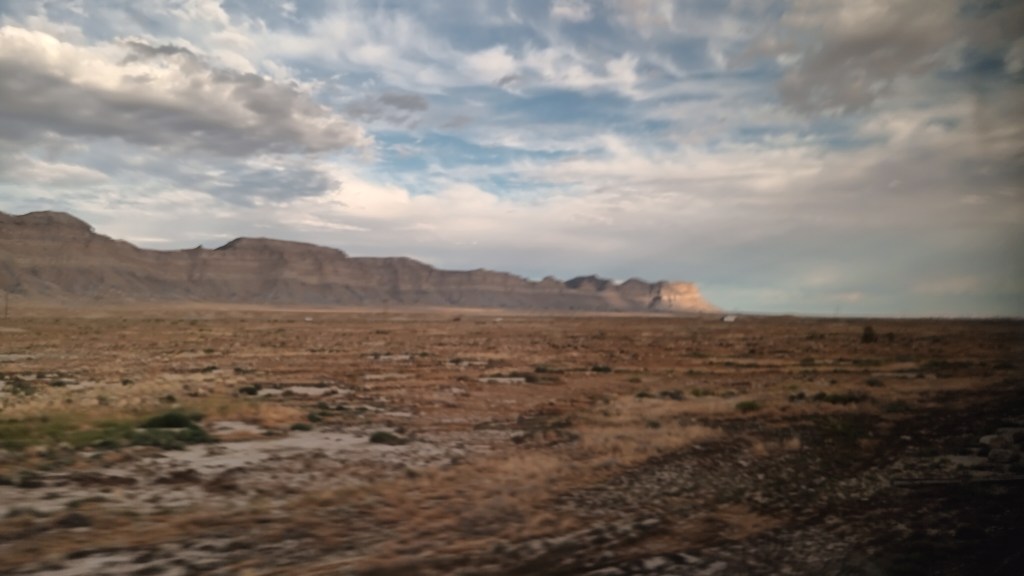
So the most recent manifestation of this is a fivefold movement which began in California and took me back east, then north to Montreal, and which shall continue into the U.K. as soon as possible, before making it out to Italy, onto France, and from there to walk the Camino Francais, which I believe begins in Paris and ends in Santiago. As soon as I set forth the concept, I am reminded it is subject to change with the wild winds of fortune: thus consider the aforementioned itinerary something like a draft of a draft. Augustine of Hippo did say traveling was like reading, but I would add to this that travel plans are a lot like sketching a literary work of art, or I imagine works of visual art and architecture as well. One begins with a groundwork. Sometimes one takes the groundwork all the way through to the end. Other times the dialectical phenomenology of everyday life has its way. In any case, I am not seeking a spiritual experience, which I think is important, in the same way that one does not want to be a specifically religious or devotional writer. Let one write about biblical exegesis in the mental framework of characters and poetic insights all day long, so long as one is not imprisoned by religious (ideological) categorization. Boxing oneself into a specific type of authorial framework is identical to deliberately never leaving one’s hometown: unless one is Kant, one would be better off to keep quiet. Is there anything more tedious than these wearisome scribblers who never leave their comfort zones, and all seem to love profane literature and films such as The Lord of the Rings? One gets sick simply thinking of such persons; God forbid one actually sat down to read them. Such is like taking advice on global travel from, again, the ones who never leave home. And thus while there is a spiritual essence to my present wanderings and projects, sure, one could also say, instead, that I am in the mood for a good, long walk, as always, and Lisbon – my endpoint, rather than Santiago – calls my name. I think the walk ends in Santiago, but for me the odyssey ends in Lisbon. The idea calls my name, the way the first flash of a line compels the poet to stop what he is doing to get it down. Portugal is a good endpoint for this future movement: I long to step foot in the land of Cesario Verde.
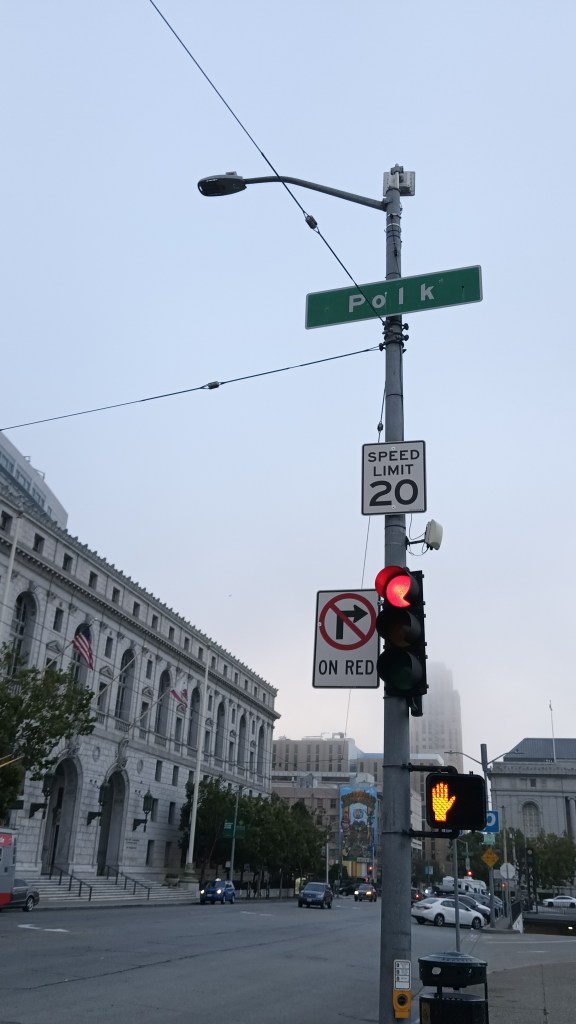
Now when I was in San Francisco last month I was reminded of Fernando Pessoa, as he is in many bookstore windows these days, Pessoa whom I had not read since I was a teenager, or 20 or so. I see he has become quite popular meanwhile! Well, if I am going conclude this apostolic mission of the interior in Portugal, it is going to have something to do with poetry, and for me the hour of Pessoa passed long ago, and now one is aligned with Verde. In a similar way, one might at a certain point grow sick to death of hearing what this, that, or the other person has to say about Dante, and turn to Leopardi. All of this has to do with cultivating time far away from the madding crowds, one of several prerequisites for accomplishing anything worthwhile.
But as for one’s work … I was flattered a couple of years ago that mortals and others (about two of them) were interested enough in my syllogistic novel to touch base with me on it, offer works on syllogism as reference points, and stimulating thoughts. I undertook a debilitating amount of research into the history of syllogistic thinking over the centuries prior to writing 30 or so pages. I prepared the work with a good two years of uninterrupted research … but I fear I did not get very far. Perhaps, as it stands, it is a short story. It could be a novella, no doubt, about one trying to write a novel in syllogisms. But the crisis with the syllogistic novel seems, or seemed, to mark a turning point in my own ontological comprehension of the literary work of art, the history of the concept of time, down unto creative inception.
The same thing happened recently with an idea for an epic poem I was tinkering with – a liberating crisis, if one will – as the years have also seen me spending a great deal of time with John Milton, Vergil in both Latin as well as Fitzgerald’s translation, as well as Fitzgerald’s translations of Homer; but as for my own epic, here I made it about 800 lines in and threw in the towel. I do not know when or if the towels shall be recalled, or if thrown towels are ever retaken or something like that, but in both cases – Syllogistic Novel and Epic – I found that the works were not worth seeing through to the end. This was not a hunch or a feeling, but rather a conclusion reached after years of researching and reading, down to the preliminary narrative executions.
I think that in essence, it boils down to something seldom mentioned in the realm of literary practice and the desire to write certain books: the reward is too nimble to try to configure these things in one’s spare time, especially when one has no spare time whatsoever. A literary work of art depends both on what one is living for, as well as if the work shall be published or is at least intended to be, and so on. The amount of time and energy required to write a destinationless text, what with its hypothetical terminus and all its romantic possibilities, in the end transcends philosophy and language and breaks down into necessitation. Necessitation is by proxy correlated to finitude. A given poetic work is either predestined to land, come what may of it, or it is something more like a mind parasite. The phenomenological process of contemplating a literary work of art before deciding not to go through with it would make for a prescient, if arcane, study, perhaps alongside Schopenhauer’s proposal for a tragic history of literature, wherein we examine case by case, continent by continent, how horribly specific poets and writers were treated in their time, century after century, but who endured to the end, whence death becomes something like the opening gunshot of a downhill motor race, with the same cruel spectators now rushing out to museums, book release events, film adaptations, and so on, of the cursed poet’s glorious work.
Now keep in mind that that is simply the realm or poetry and literary fiction, which over the past couple of years in particular has decreased in importance for me as more refined tasks have increased in both prospect and obligation.
And thus on the academic front, I am working on a biography of Homer translator and poet Robert S. Fitzgerald. I am preparing the scaffold at present, but the work shall be a critical biography, and by this I mean it examines both his life and his works. For some reason his poetry has never received a full, comprehensive examination; nor has his life. My archival work at UCLA and the University of Pennsylvania, in addition to my relentless examinations of O’Connor, Maritain, Agee, and in essence all of 20th c. American poetry, in addition to a lifelong love of Classical Literature, has trained me well for this purpose.
HSA: We are very excited about this. You had said earlier – is there something with Henry James this winter at MLA 2024? William Blake exegesis? Prose poem on the interior life of St Joseph?
BA: Yes, all of the above, though the Blakean exegesis orbits far from the Fitzgerald project. I will likely not resume work on the Blake [Milton: A Poem] exegesis until 2029 or something like that. Joseph Wittreich thought it was perhaps destined to be my most significant scholarly work, so we shall see. The prose poem on St. Joseph’s interior life is already about completed. And as for the talk at MLA, with the Henry James Society, I am very excited about that.
Homer and Milton along with Walter Ong seem to have instilled a lifelong interest in orality and literature for me. I did not think there would be any connections here to my then-incidental readings in Heidegger and the later James. But in the process I began to think of James in a way which concerns orality, the invisible and the visible, ecclesial prose, (I worked on a number of such original translations at the University of Pennsylvania’s Kislak Center). and an aspect of Heidegger’s thought that at least for me seems tailormade for reconsidering the later James. To this end I will be giving a talk at MLA 2024 in Philadelphia on Henry James’s The Golden Bowl.
HSA: That is … quite the book. The later James strikes me as quicksand in a dream, yet essential in its link to Pound, et al.
BA: I wanted to read it for a good decade, and at last worked my way up to it after reading many other works by and on James. But the idea for the paper actually came from Heidegger. In his later work The Event, you see, Heidegger makes reference to “The enduring in the saying of the twisting free of the difference into the departure”, which for me at least was, is, an unexpected way of cognizing the narrative and fate of Maggie Verver altogether. In the talk, having both briefly shed light on what Heidegger’s up to in his text and thereafter locating its methodological nebulae in James, I intend to elucidate discreet bits of the text from The Golden Bowl on the event-grounds of catastrophe, trauma, and style.
HSA: Catastrophe?
BA: Catastrophe, in my reading, is a matter of interiority enhanced by subtle and unsubtle religious, symbolic elements of the work such as constant religious language recurring throughout scenes of interior crisis as the affair is inferred, dodged, denied, accepted, imaginatively confronted, as well as the breaking of the golden bowl itself into three parts. The shadows of real-life events give way to a trauma that is subsequently cognized and illumined, thereby heightening the work’s progressively intoxicating style.
In each of these event-arenas, I maintain a philosophical explication of the Jamesian event in terms of the orality and ecclesiology of the text, combining close reading with insights from Walter Ong and R.P. Blackmur, with each event unpacked in terms of an unfolding, surmounting synthesis of interior and exterior event, ecclesiastical linguistic flashes alongside theories in orality and literature, as well as religious experience more generally (I believe a relevant nod to William James’s Varieties of Religious Experience may also help us think more profoundly on the grounds of The Golden Bowl and the orality of literary cognition as it culminates in the events that ignite and maintain Maggie’s interiority and James’s subtle religious language therein).
The talk should lend itself to further correlative interrogation of The Golden Bowl, as well as Wings of the Dove and The Ambassadors.
HSA: I did not know you were so fond of James.
BA: I contain, as it were, multitudes. Here is another thing, in some other news: for reasons that have escaped me ever since I finished it, I wrote a children’s book earlier this year. I cannot bring myself to circulate it. Either the perfect opportunity for illustrative collaboration must arise or I may confine it to the strata of posthumous papers. Although the odds are impossibly slim that anything I do at this point will be widely read, let alone widely celebrated, I think that making my mark as a children’s author of all things might be too insane for my liking.
I noted above I am planning on undertaking the Camino Francais this spring, and also developing a UK tour which shall begin in Wales and end in Ireland. I have been trying to integrate time in Greece, culminating in a journey to Patmos, into the equation, but there are too many uncertain variables at the moment. Things should start coming into a clearer focus in October, and then be very clear in January. I am of course making copious notes on these ongoing and forthcoming odysseys, but as far as a travelogue is concerned I feel far too set within a blend of Thomas More and John Lennon at the present time to realistically even map out such a manuscript. It is possible, but after one does a certain amount for a completely ungrateful public, the whole conception of a “labor of love” morphs into something else. The work one carries out moves into work that firstly makes one a living, and then secondly, the ‘other’ works, move from projects with dreams and hopes attached to them into projects that one dislikes the prospect of dying without having. If one is indifferent to a work made nonexistent in death, one has the first clue as to what one had better not prioritize. One must become – it does not happen overnight, for it is experiential – independent of public opinion in the works one is set out carrying out without them. I have made the mistake now of assuming certain audiences and publics would support given projects of mine, only to abandon me upon its coming into fruition. Indifference of these types, when contemplating works of the heart which are less desires than synonymous with Being: this is, as Hegel might say, the first formal condition of achieving anything great or rational. One wants to interiorly relinquish theoretical outcomes and focus on the work-itself, and to this end specific types of works take predominance depending on the poet or philosopher.
The Fitzgerald biography is another matter entirely: my aim here is to produce as superb a work as possible for as many readers as possible, in homage to a great, hitherto neglected man. To execute the work in such a way likewise pays homage to all of my great mentors and friends who shall have a hand in guiding me at various stages.
HSA: We will be very pleased to learn more – when the time is right, down the line! – about Rolfe’s Letters, and to receive you in Rome!
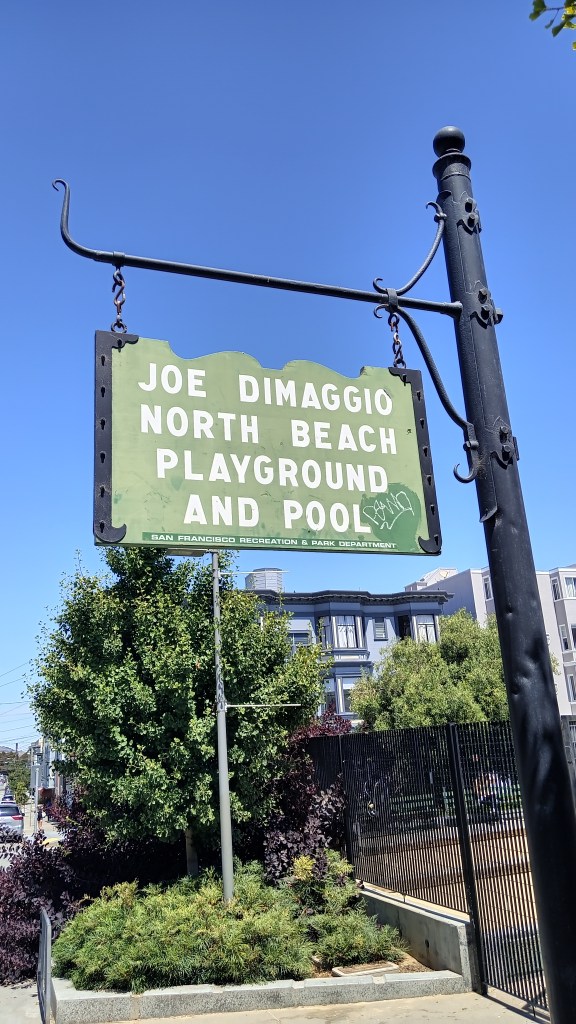
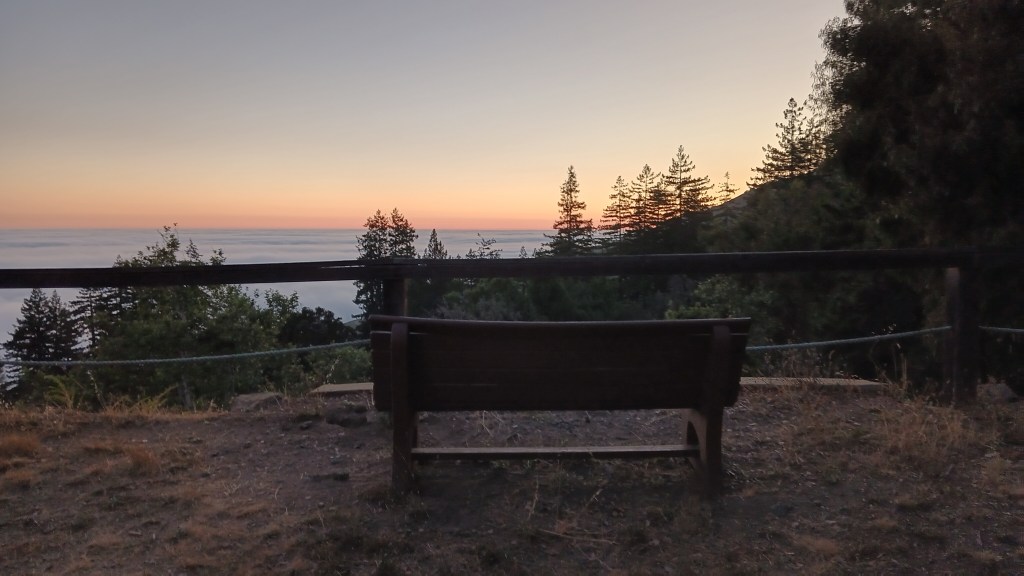
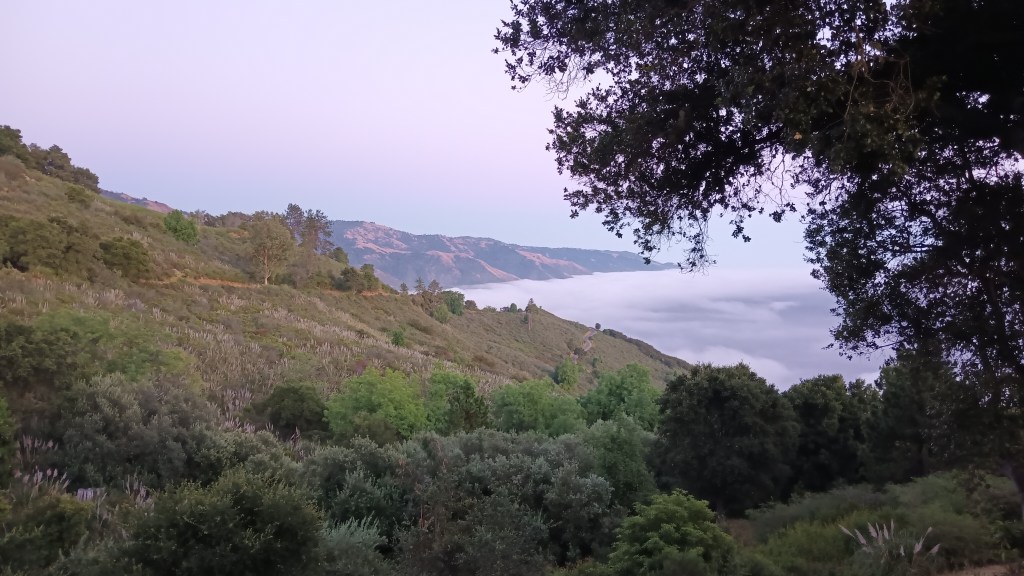
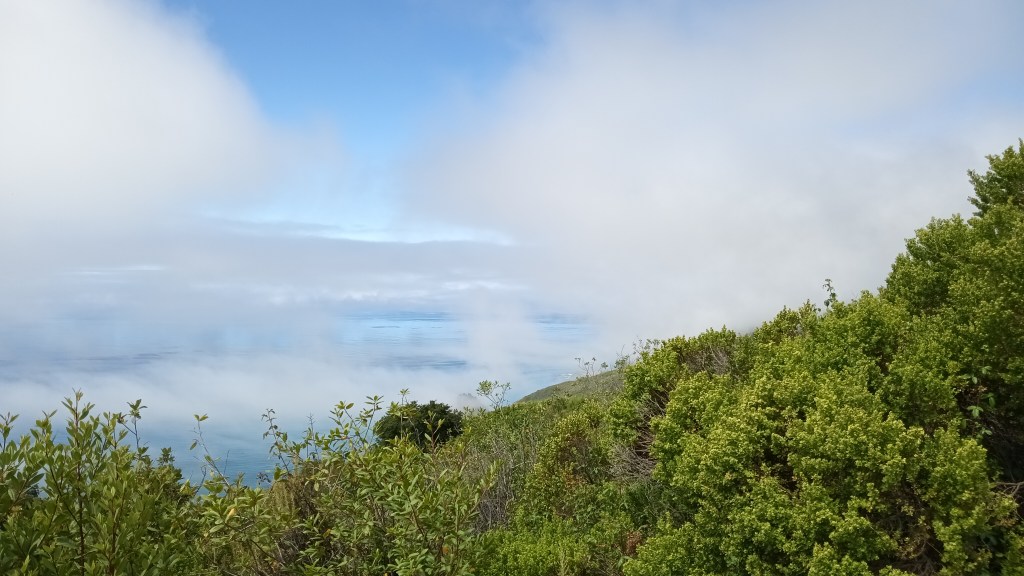
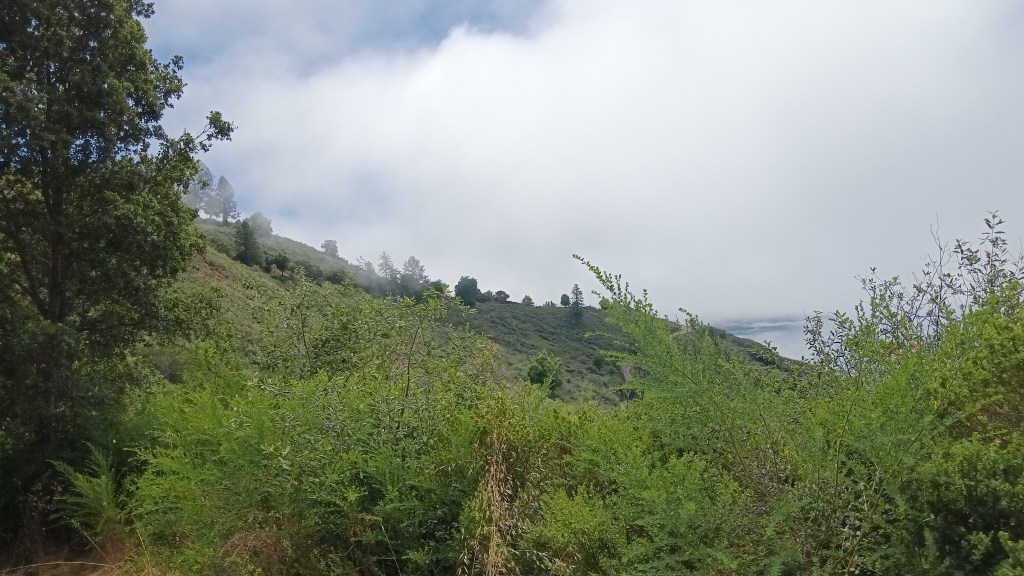
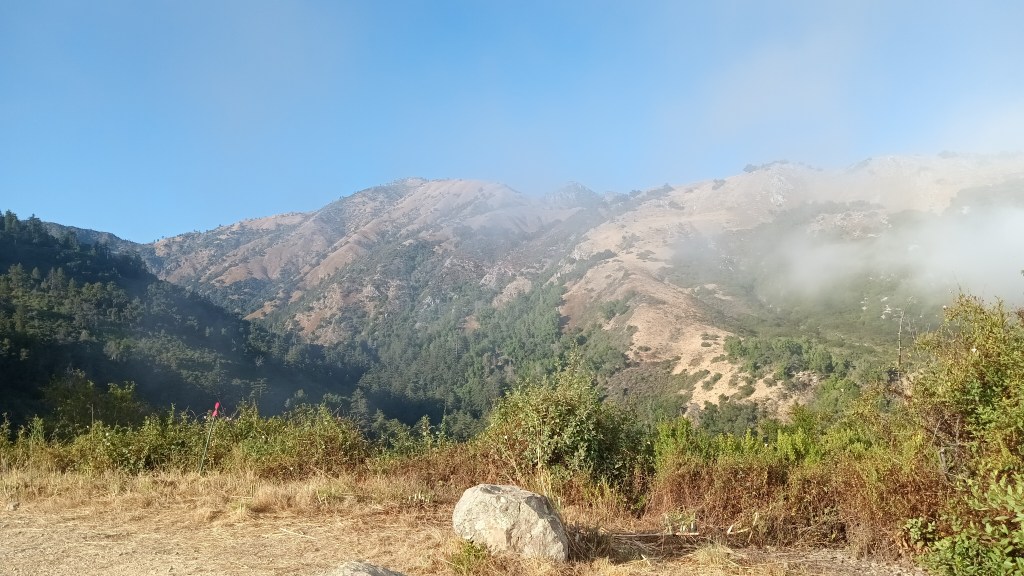
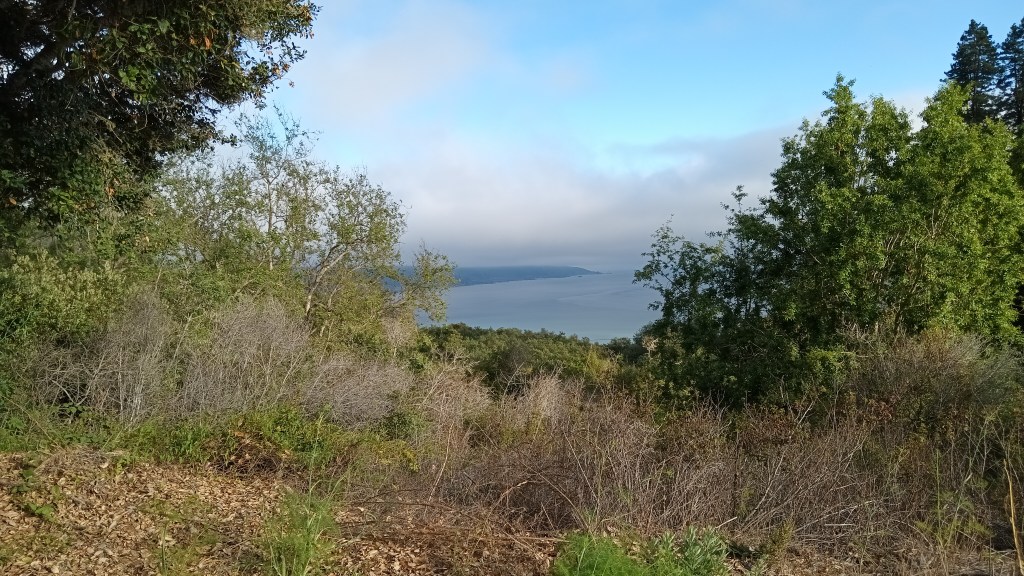
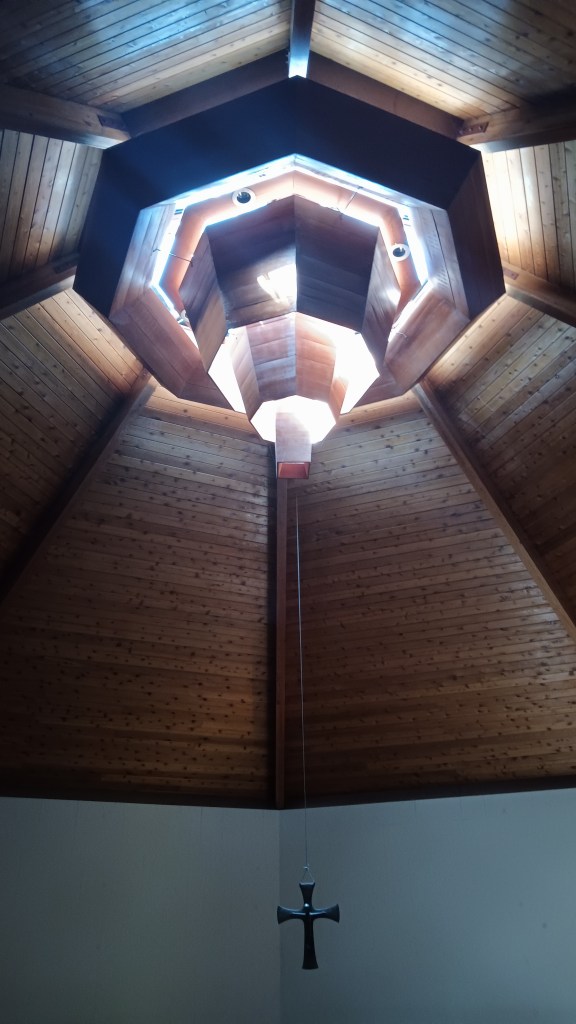
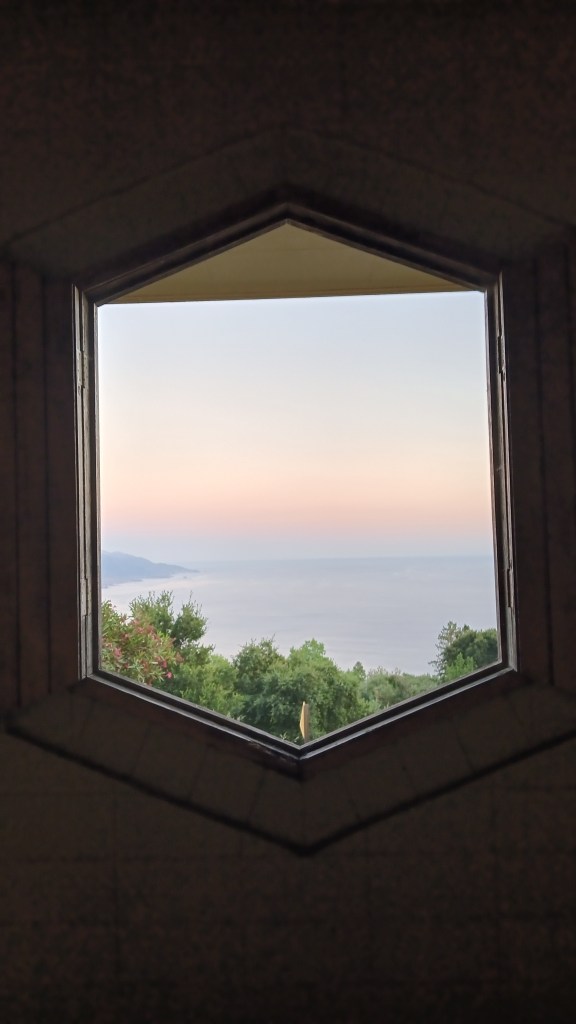
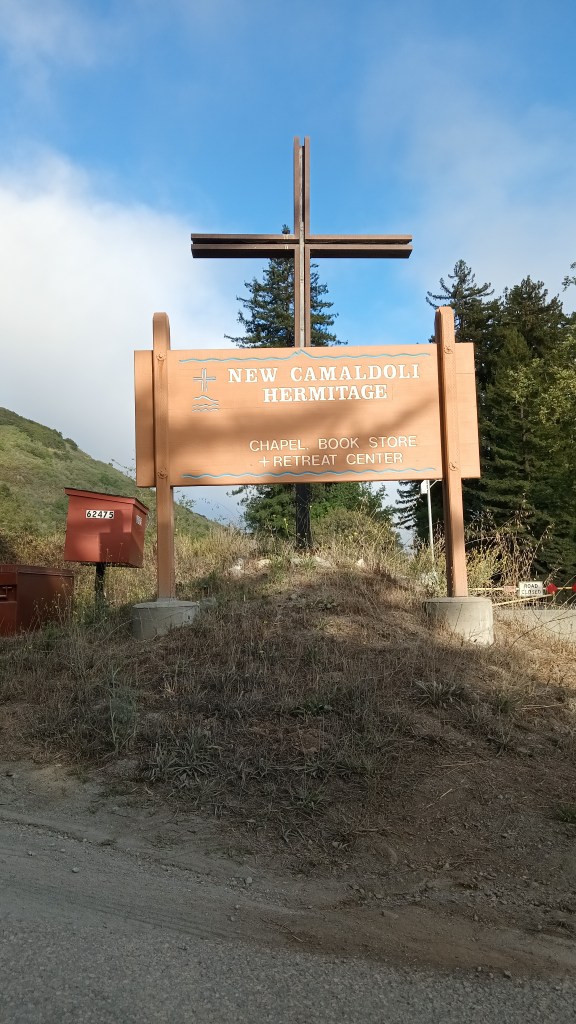
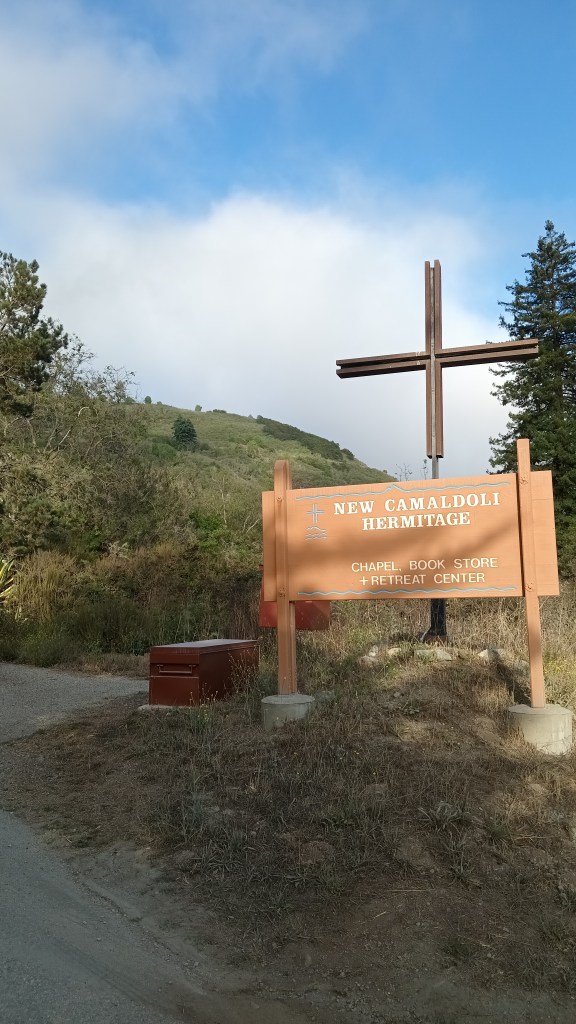
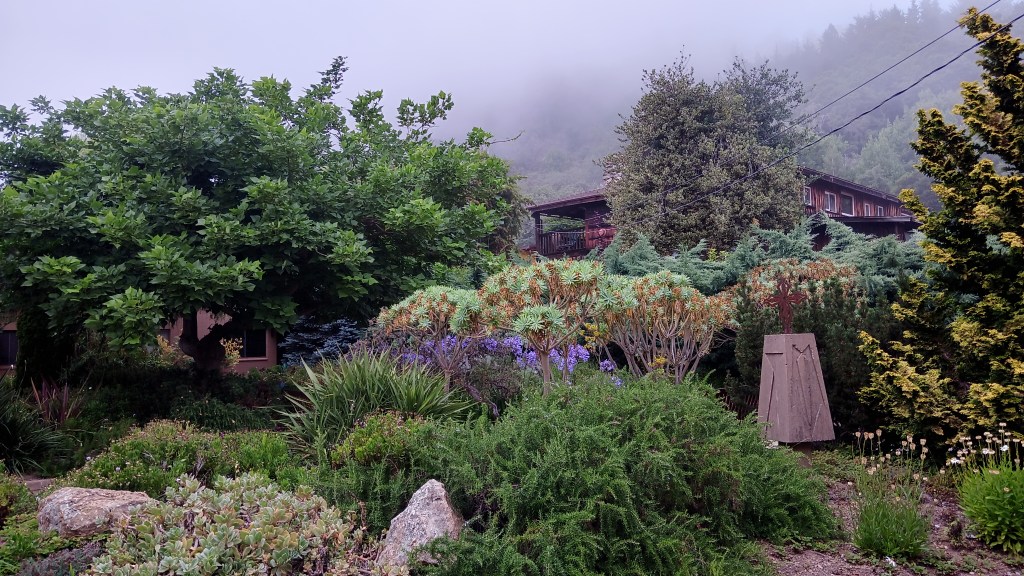
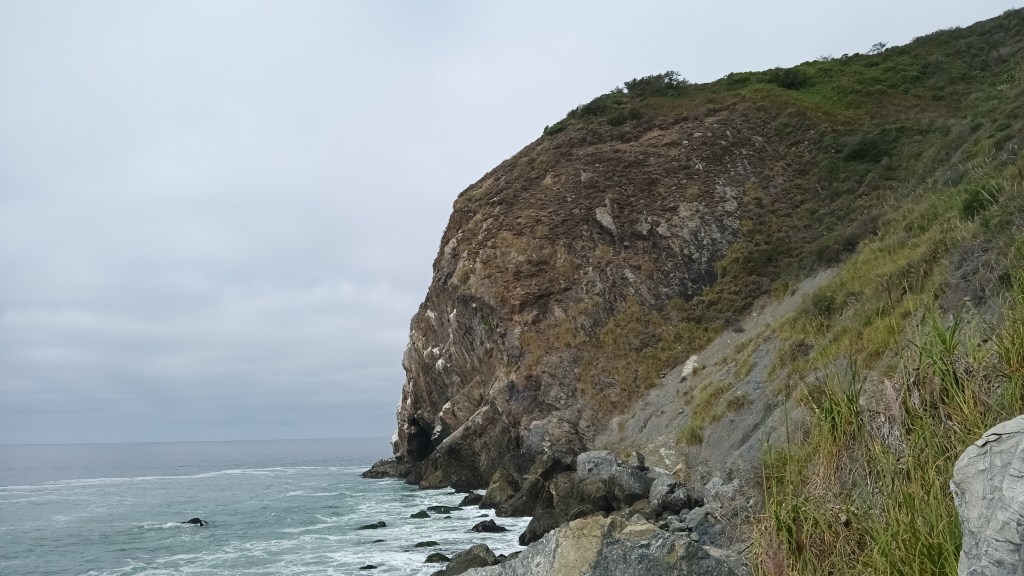
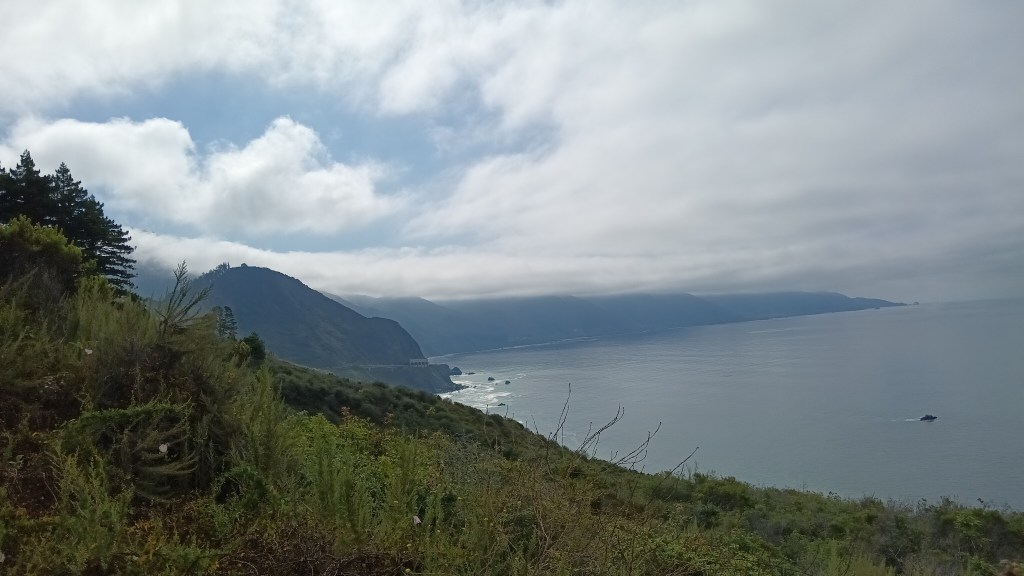
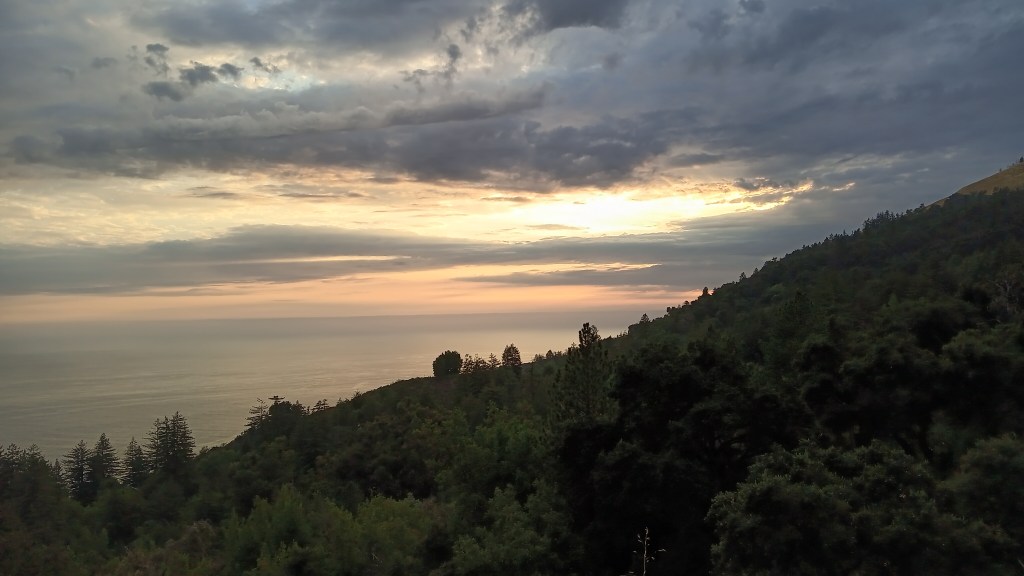
BA: I would have been there this summer, though I spent a good deal of time in Big Sur, enhanced by shorter stays in San Francisco and Montreal. In San Francisco I was researching the place itself; in Montreal I was researching St. Joseph, on whom I am writing a short book, a prose poem, on the mystical nature of his interior life. It is a good thing it is short (and about three-quarters of the way complete), since the Fitzgerald project rightfully demands all of my attention. In Big Sur, I was at the New Camaldoli Hermitage, which I must offer some reflections on sometime … I would heartily recommend visiting there – and for men contemplating a vocation, looking into their Ora et Labora program – without hesitation to anyone for whom such a thing sounds appealing. There are material benefits such as having no wifi or phone service whatsoever which cannot be understated. But there is a certain magic at hand, in wandering the land, in discussions with the brothers, in having one’s life for a time be guided by bells and services. I am very fond of the place and look forward to returning as soon as the stars are aligned.
As I reflect on Big Sur, Monterey, San Francisco, and Montreal, I feel a change formulating within me at a glacial velocity. It has something to do with exactitude and deliberation, in a textual sense certainly … but then I have long been drawn to that Nietzschean concept of life as literature … and then again it also pertains to a certain grave clarity on specific matters, and what a rupture with them means in the relational sense for various nouns, that has been unfolding within me.
A handful of encounters with unrelated persons this year and the synchronicities with which how each case developed and declined has left me with thoughts I cannot shake. In one particular case, the crisis immediately translated into literature. I was distraught over matters such as mechanical faith, repetition and hypocrisy, and the dangers of pity. As I reviewed my notes on the matter an old Stefan Zweig book I picked up but did not finish several years ago came to mind: Beware of Pity.
I was due for a summer read unrelated to the Fitzgerald project. Lo and behold, Zweig opens the text with remarks that were for me beyond prescient, noting that at a certain point characters (and I assume he likewise means by proxy situations or scenarios) deliver themselves to the writer, or poet. One does not need a workshop, or a how-to guide, or a tutorial, on the occasion one has been tried by fire and found prepared, one for whom it is at last directly stated, in the form of the literary imagination and sudden explosions of material which make no sense at first but are quickly revealed indispensable, “My grace is sufficient for thee.”
Nonetheless, there is straightaway a sort of pathological dimension to this idea that persons in particular “appear” to one, that I abhor, along with so much of scientism, opting instead at this point in both manners of science and religion for something not unlike Feyerbrand’s ideas of an anarchy of the imagination overcoming epistemological stagnancy or decay through method in matters visible and invisible, and in the case of the former of course looking at Zweig and seeing a sort of pathological perception of how one goes about literary construction.
Zweig’s preparatory insight has an element of predestination about it which calls to mind the best of Augustine, Calvin, and Perry Miller.
HSA: Have you ever read Schopenhauer on predestination?
BA: How much better off we’d all be if there more Yonah Schimmels in the world, as well as dedicated readers of Montaigne and Schopenhauer.
But to return to Zweig’s insight, I read it in metaphysical sense, and have not been thinking of it everyday by any means, but it is something I cannot shake. Thus, I cannot shake the foundations and disintegrations of relations which underwent an unrelated typological fissure, while at the same time I see in Zweig an explication of something I was feeling whilst being unable to eclipse the vulgar binary of there either being nothing to the experiences, or me being malicious to see in these piercing circumstances, or at least their interrelated epilogues, an occasion for supreme literature. Is this all confusing? Very well: be patient; a fusion of Brooklyn and Athens cometh.
HSA: I notice you said “whilst” just a second ago – should I change it to “while” in the transcript?
BA: No. “Whilst” is simply a matter of taste, not unlike one’s approach to time, death, and eternity themselves.



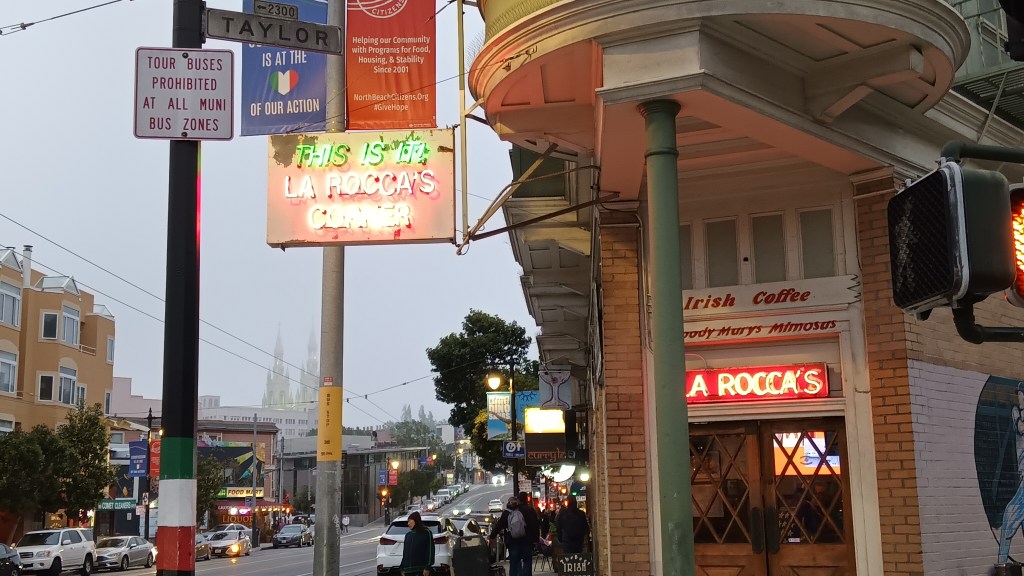
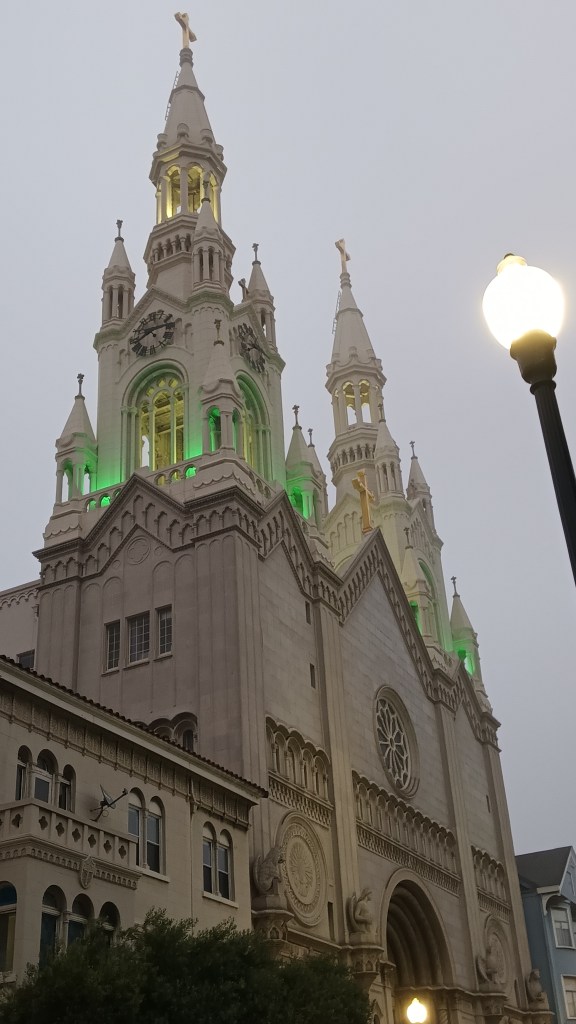
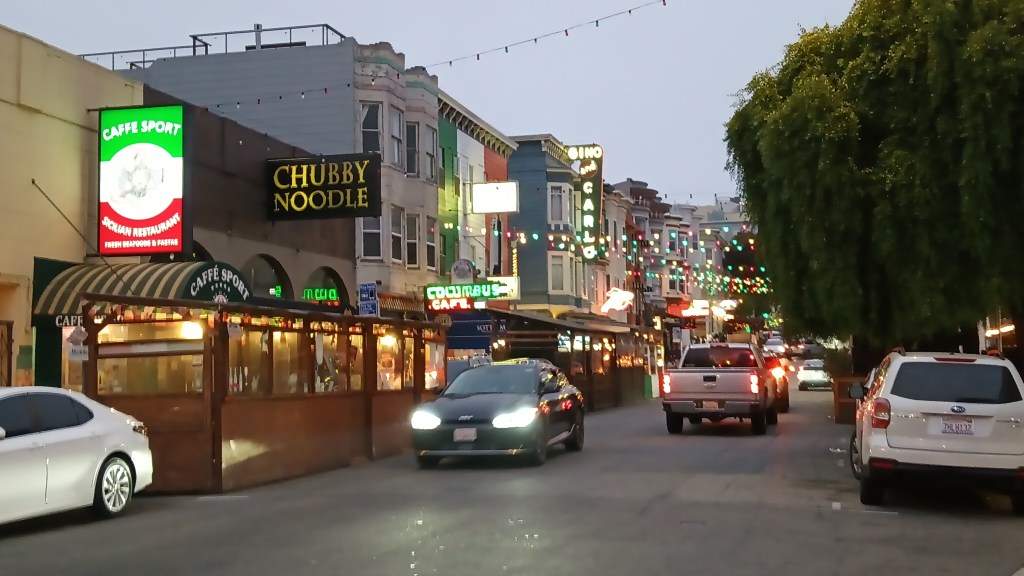

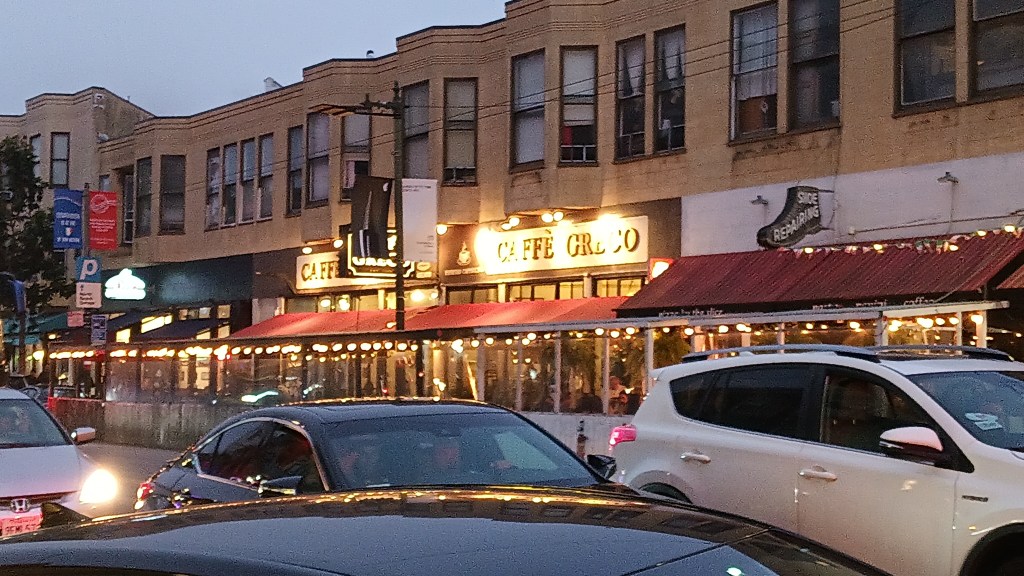


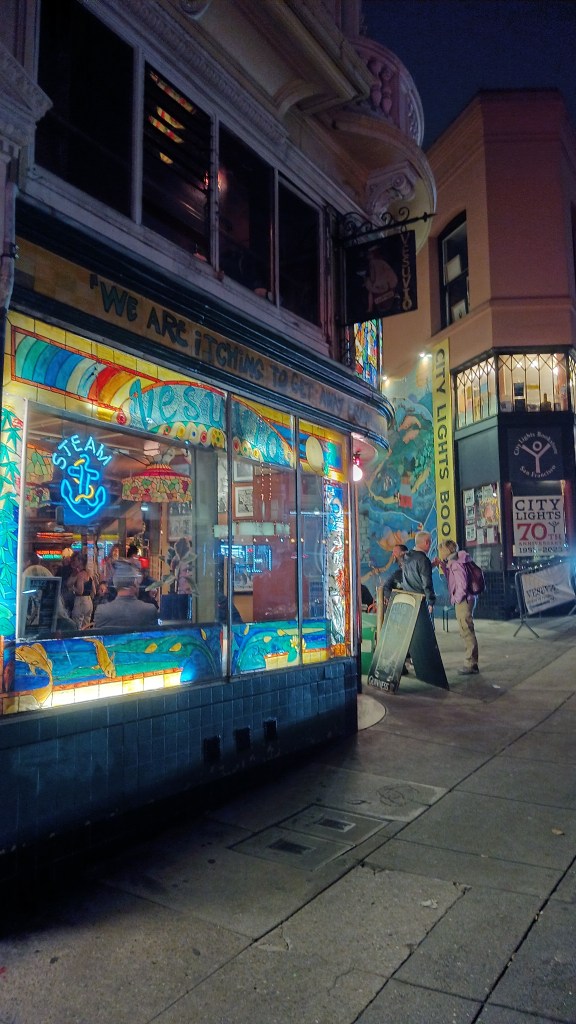

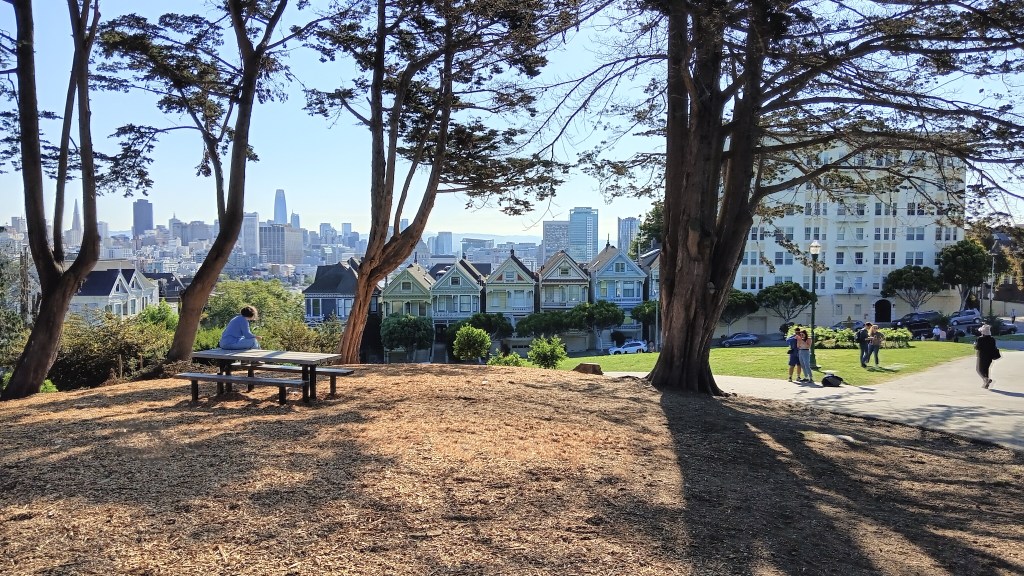
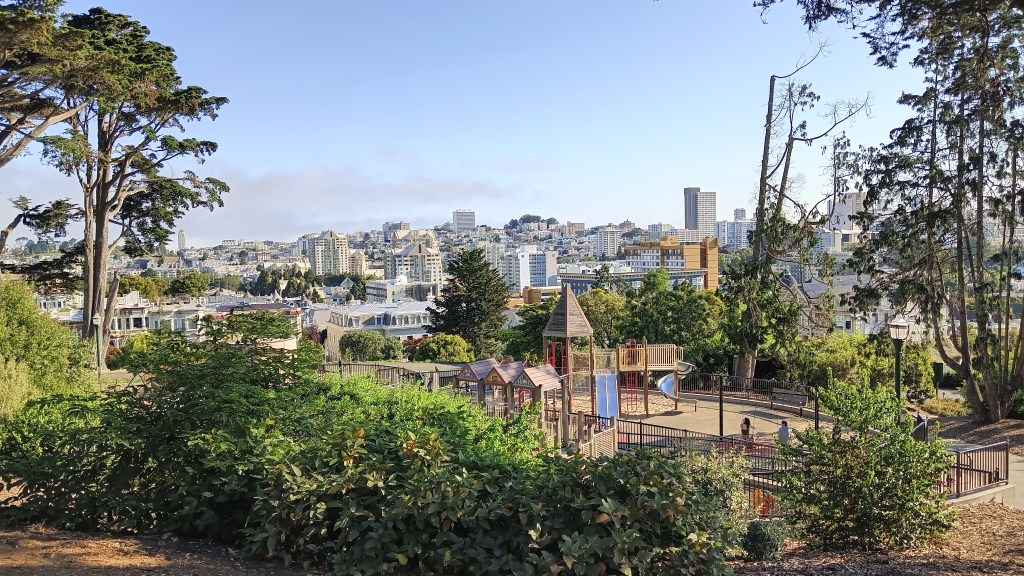
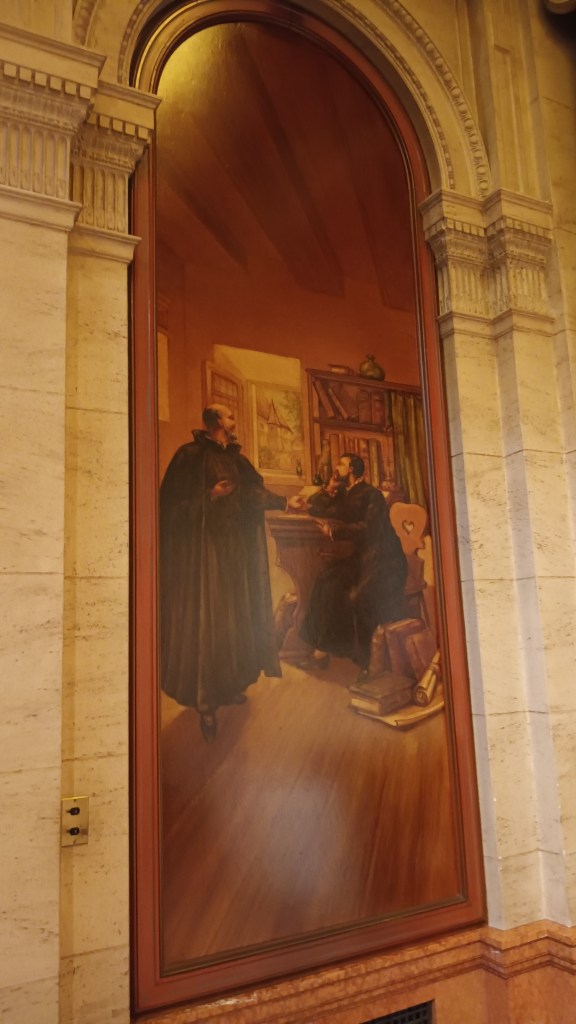
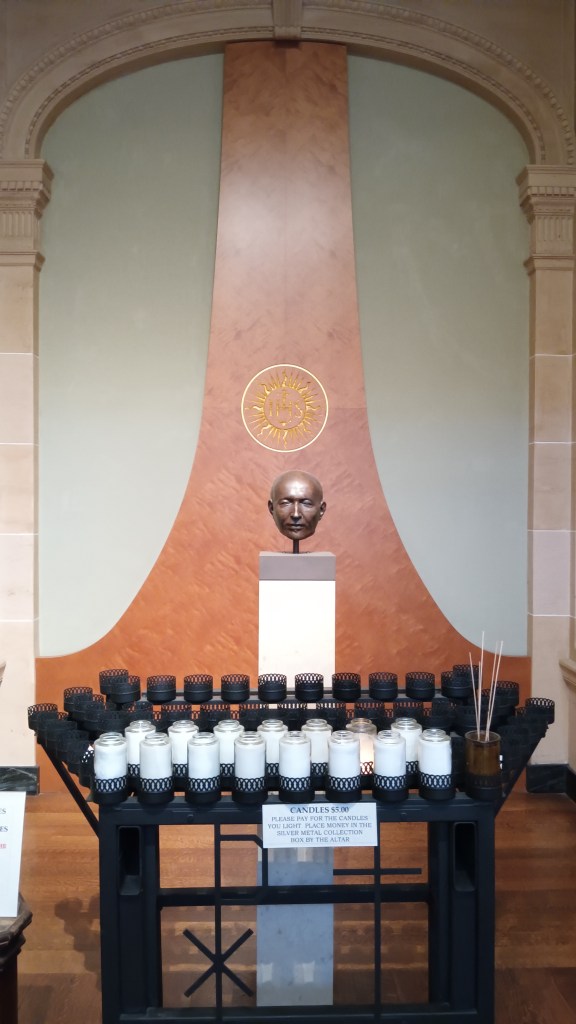
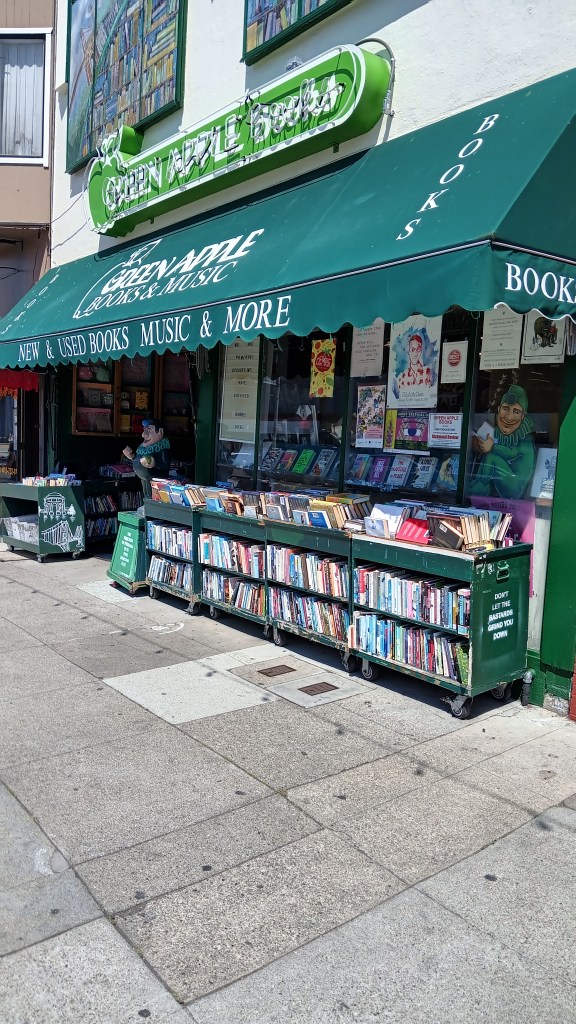


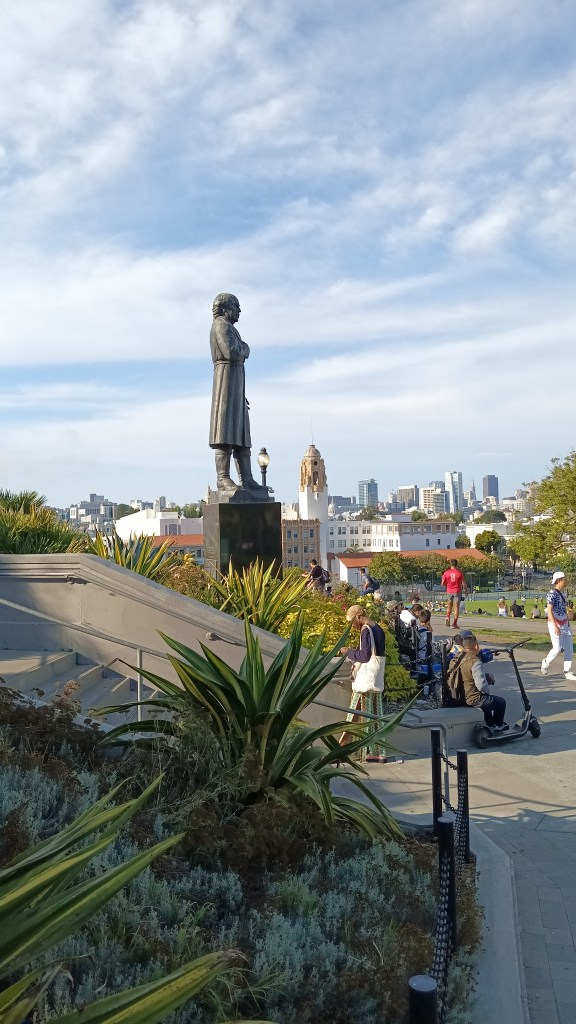


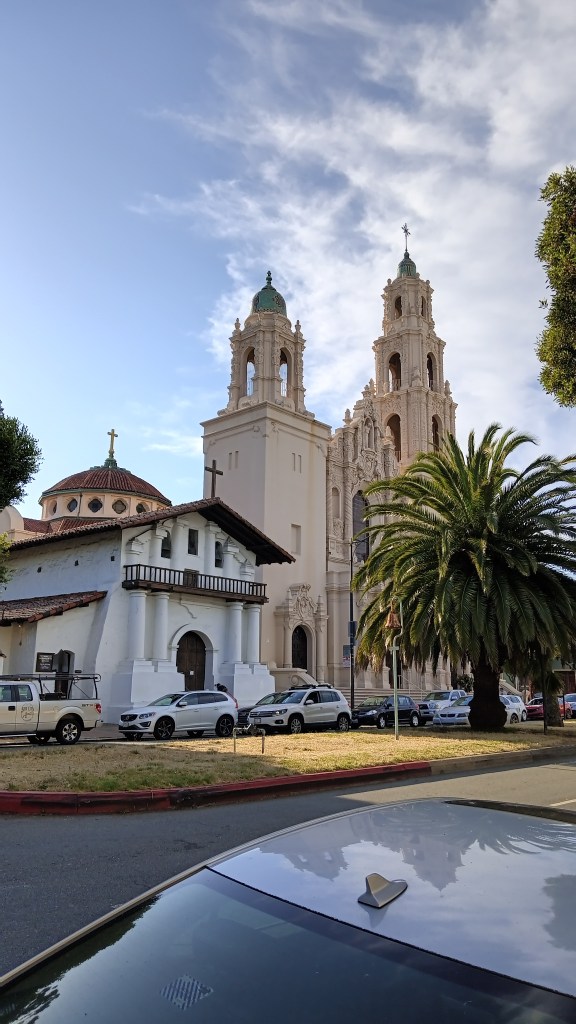

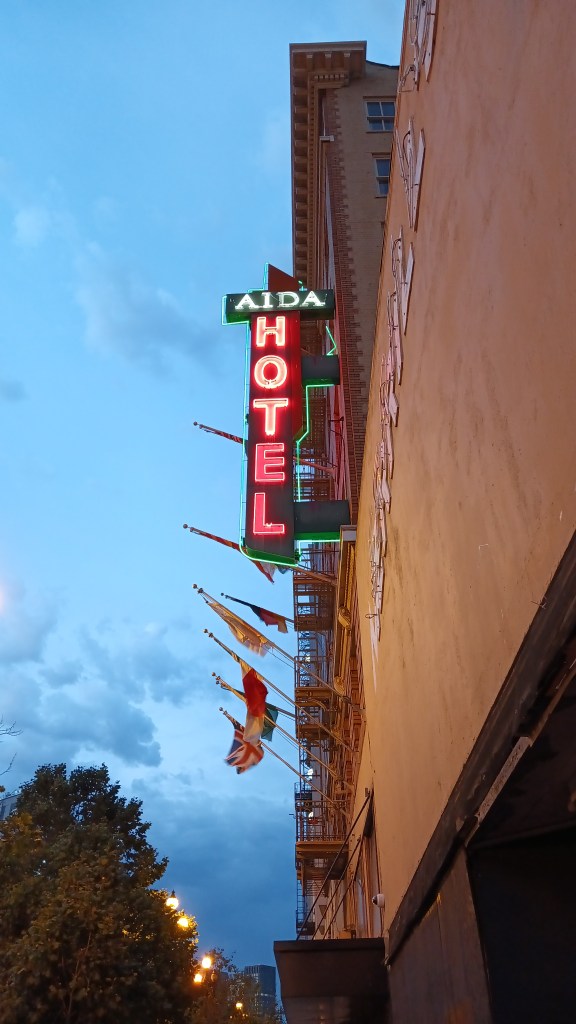
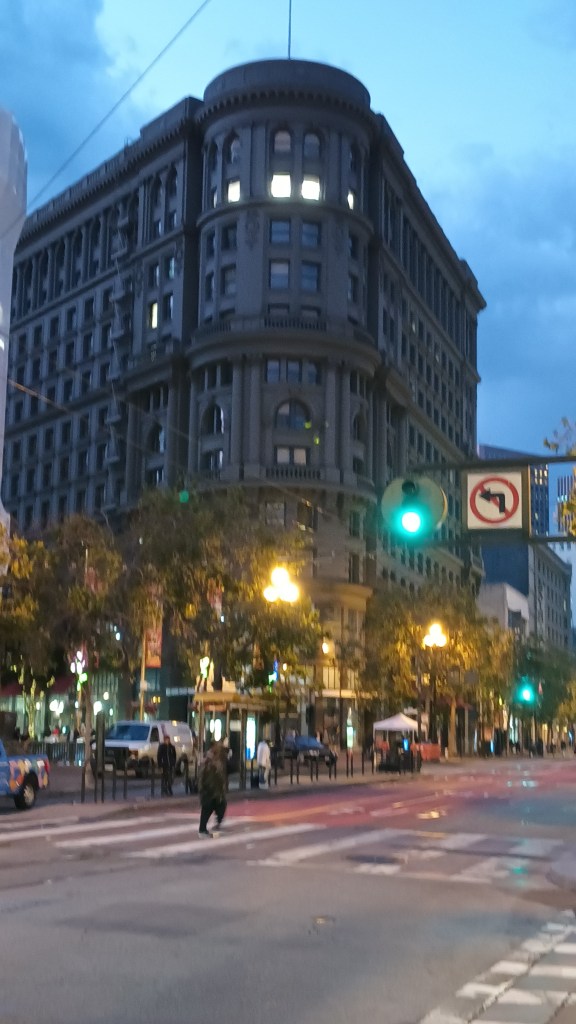

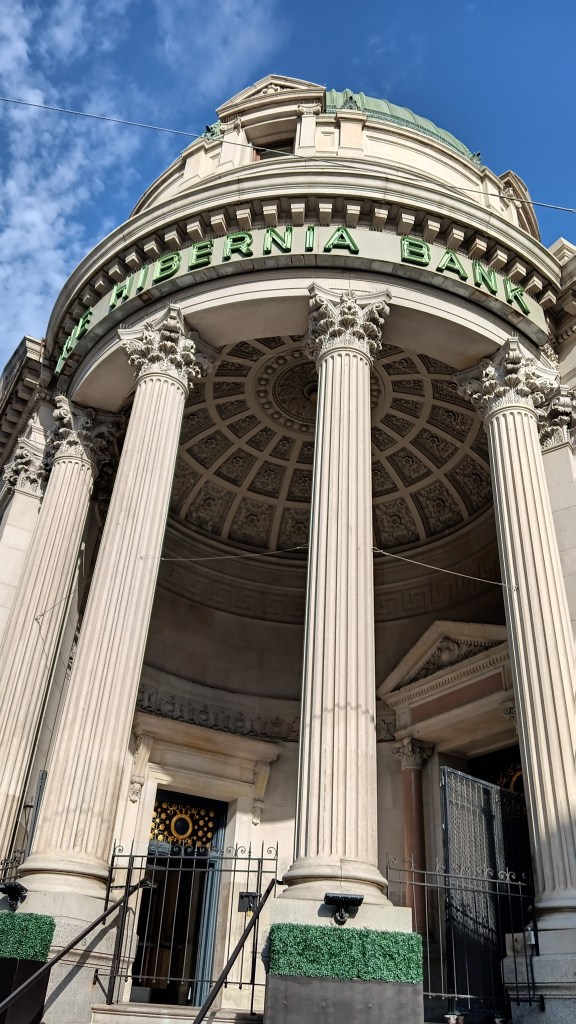



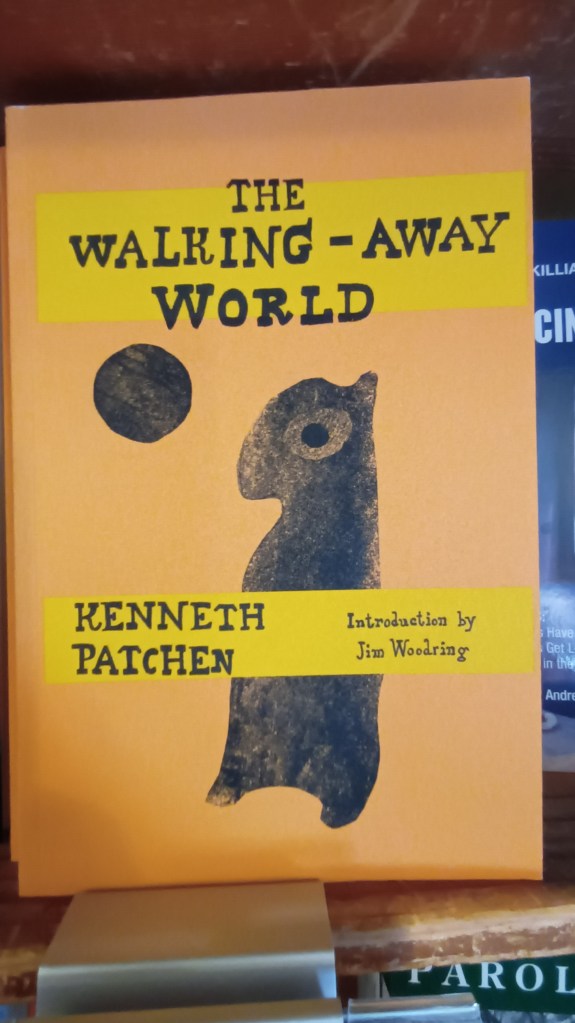
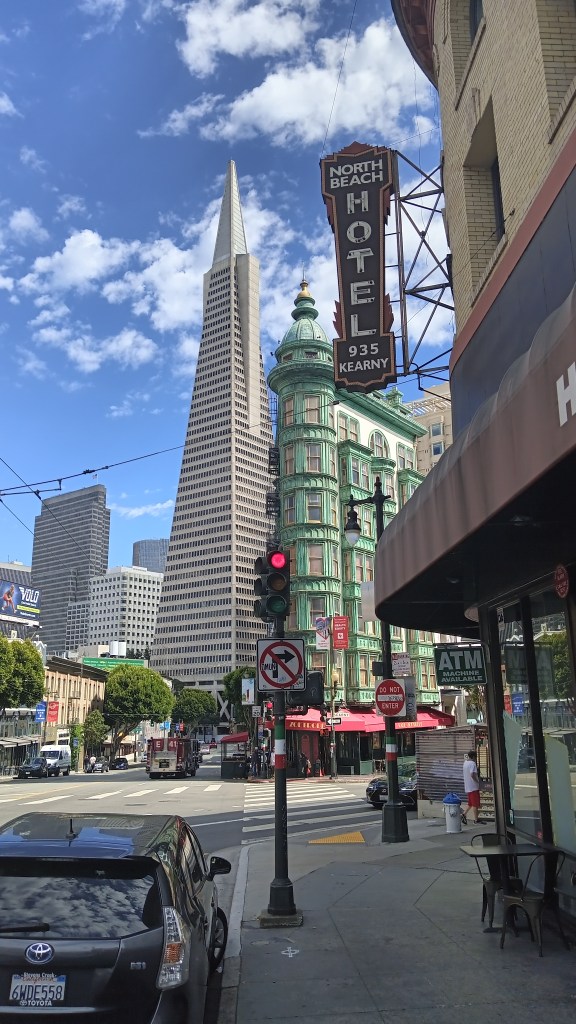
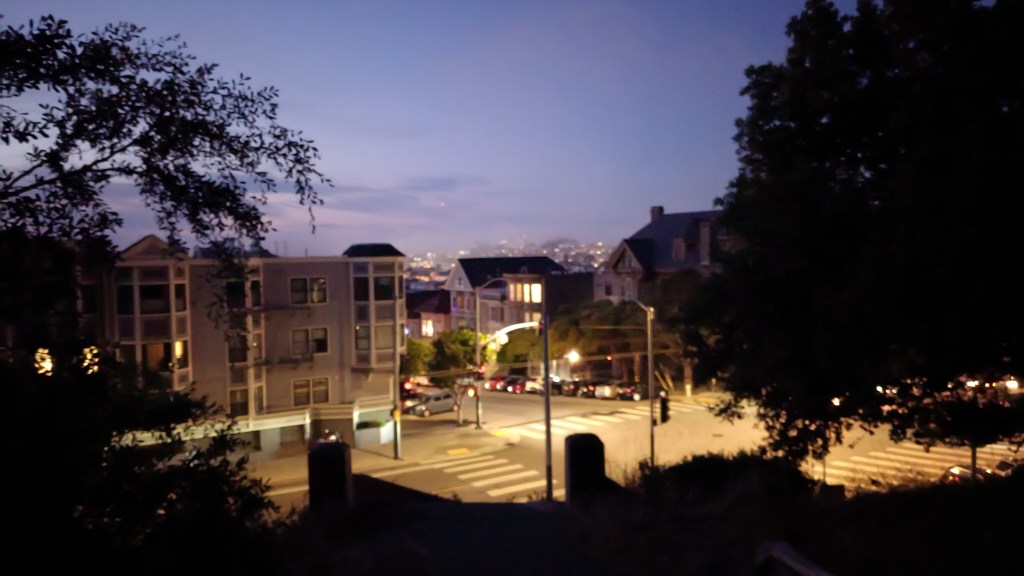

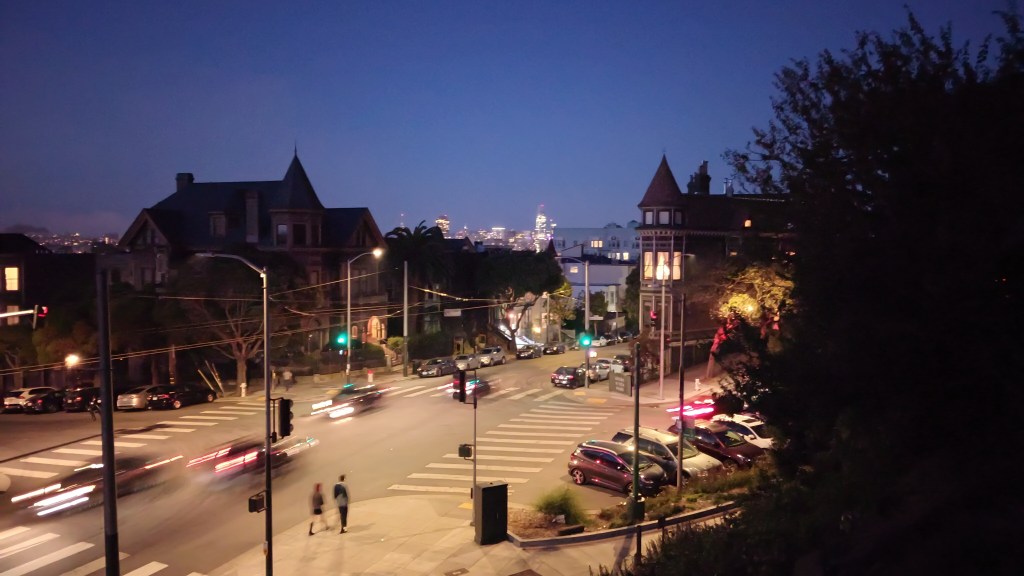
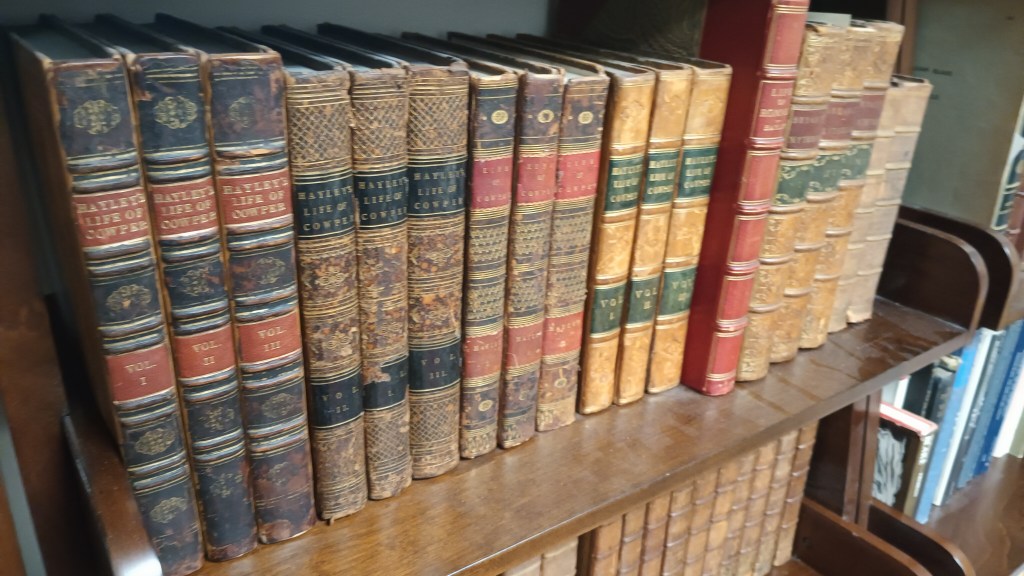
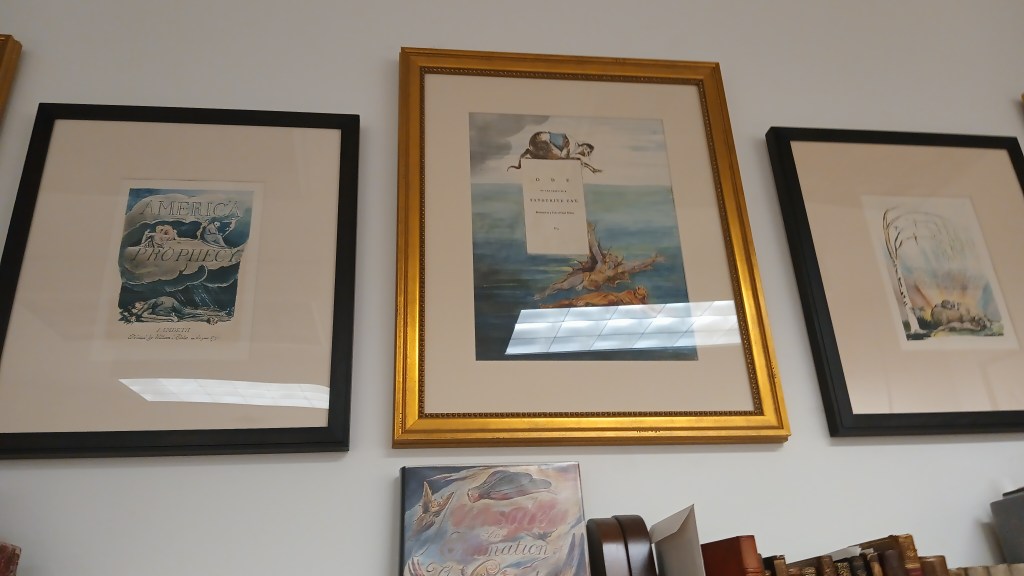

















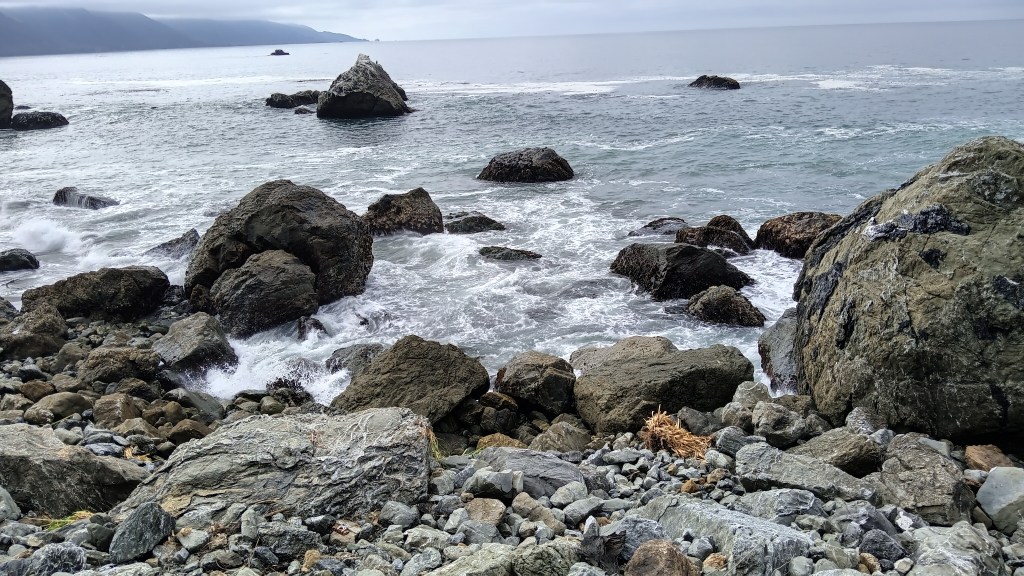
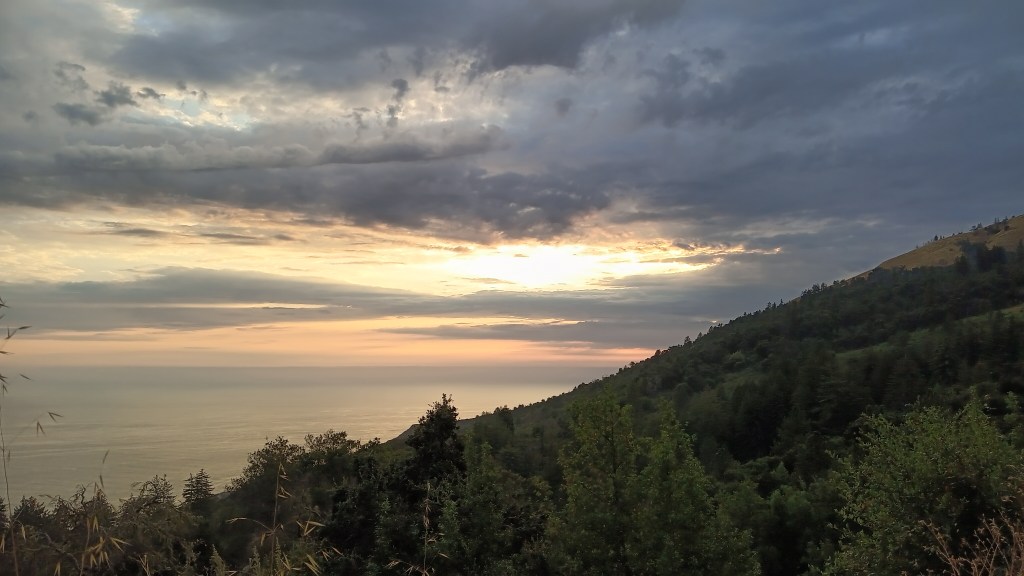




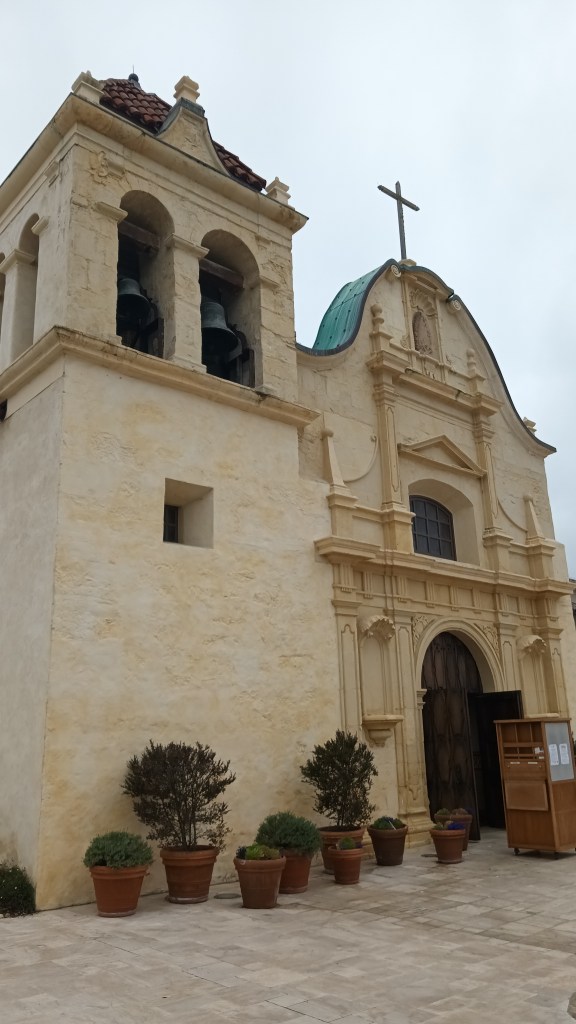


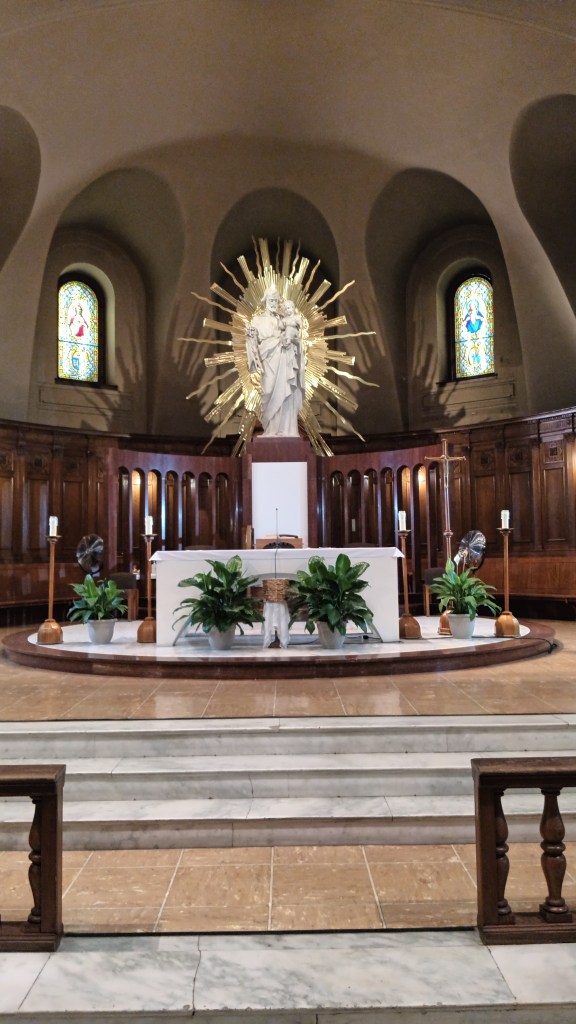




April 26, 2023
Shakespeare’s Gloves, & Other Inquisitions
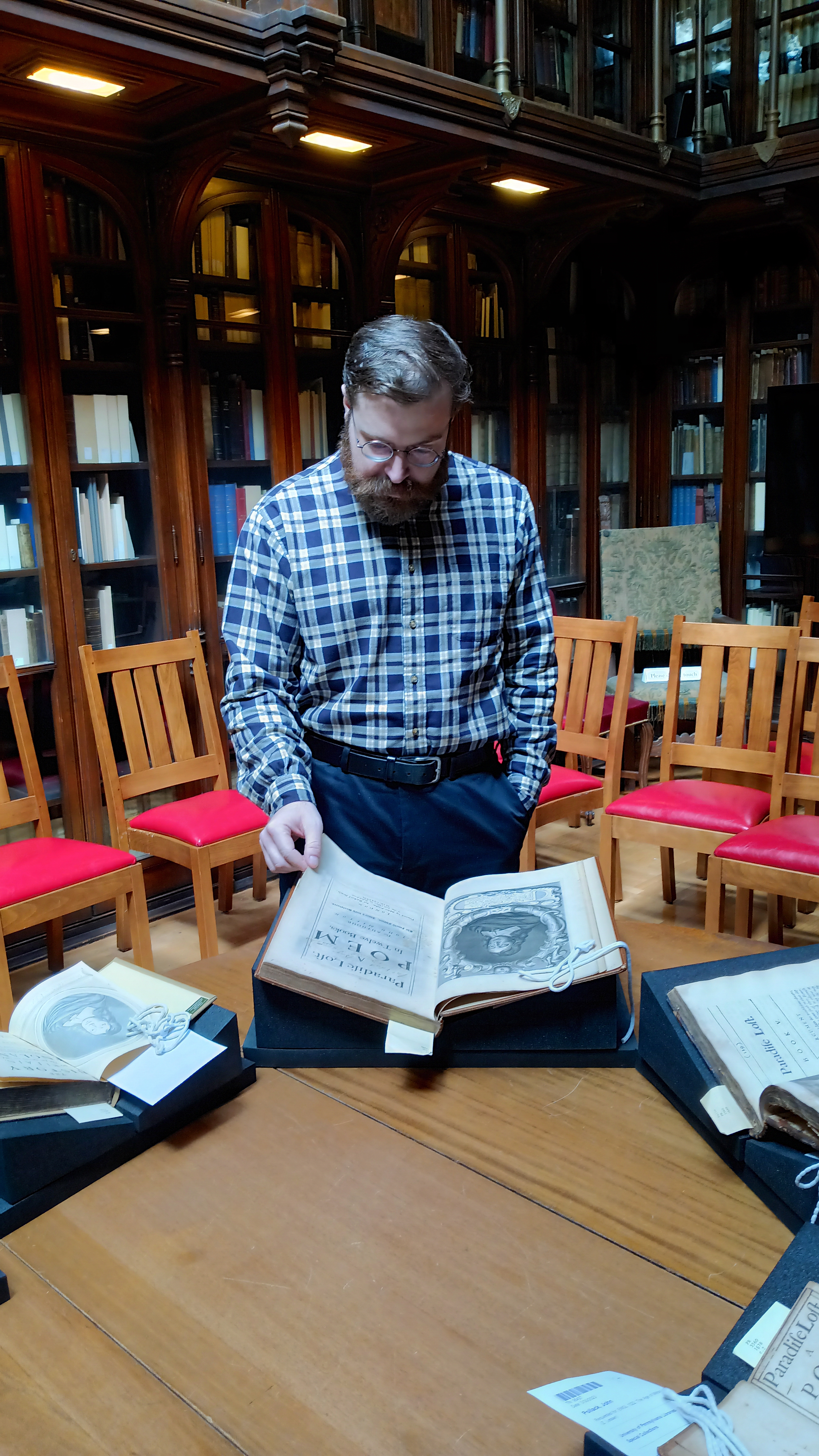
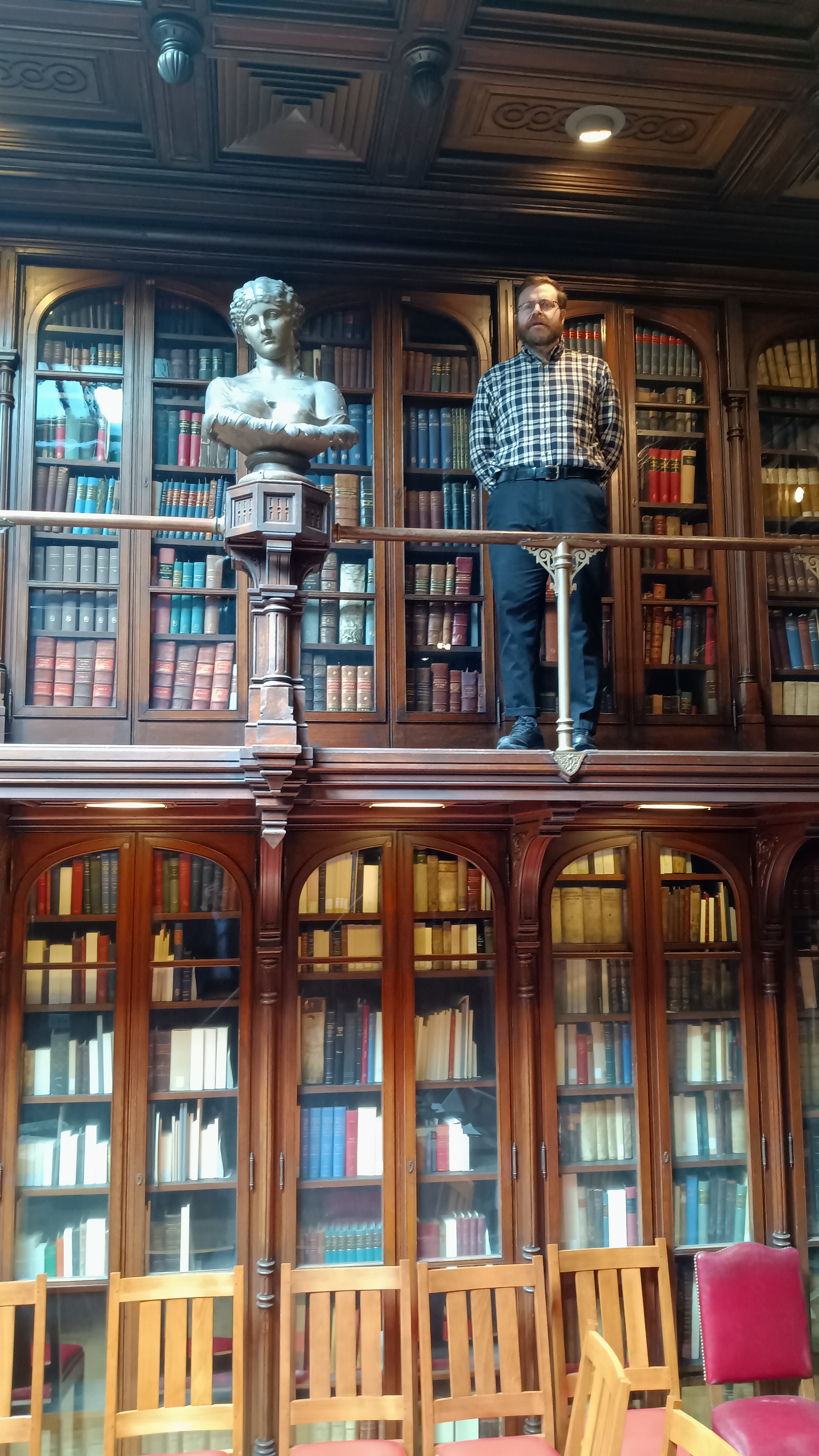
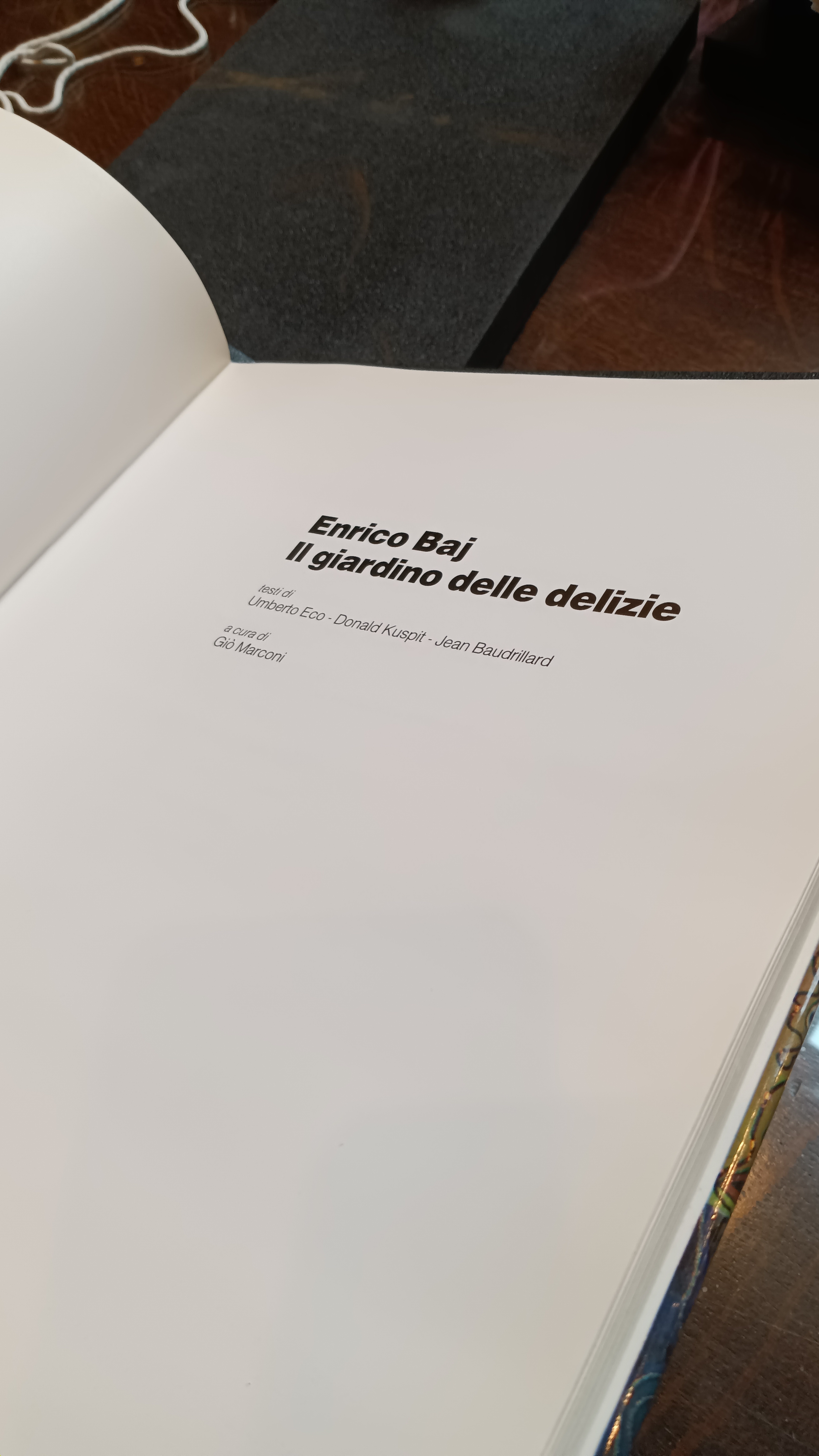
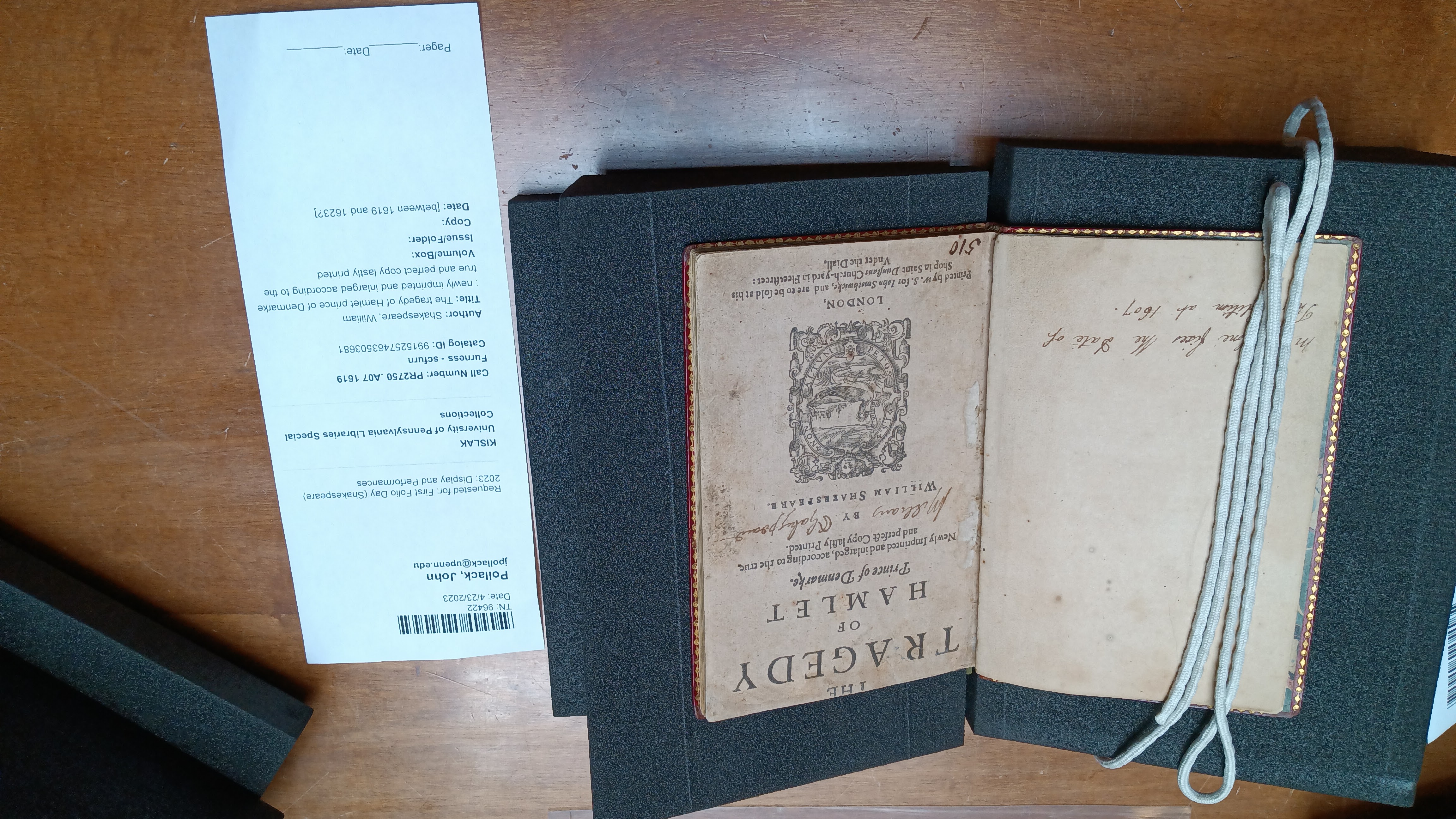
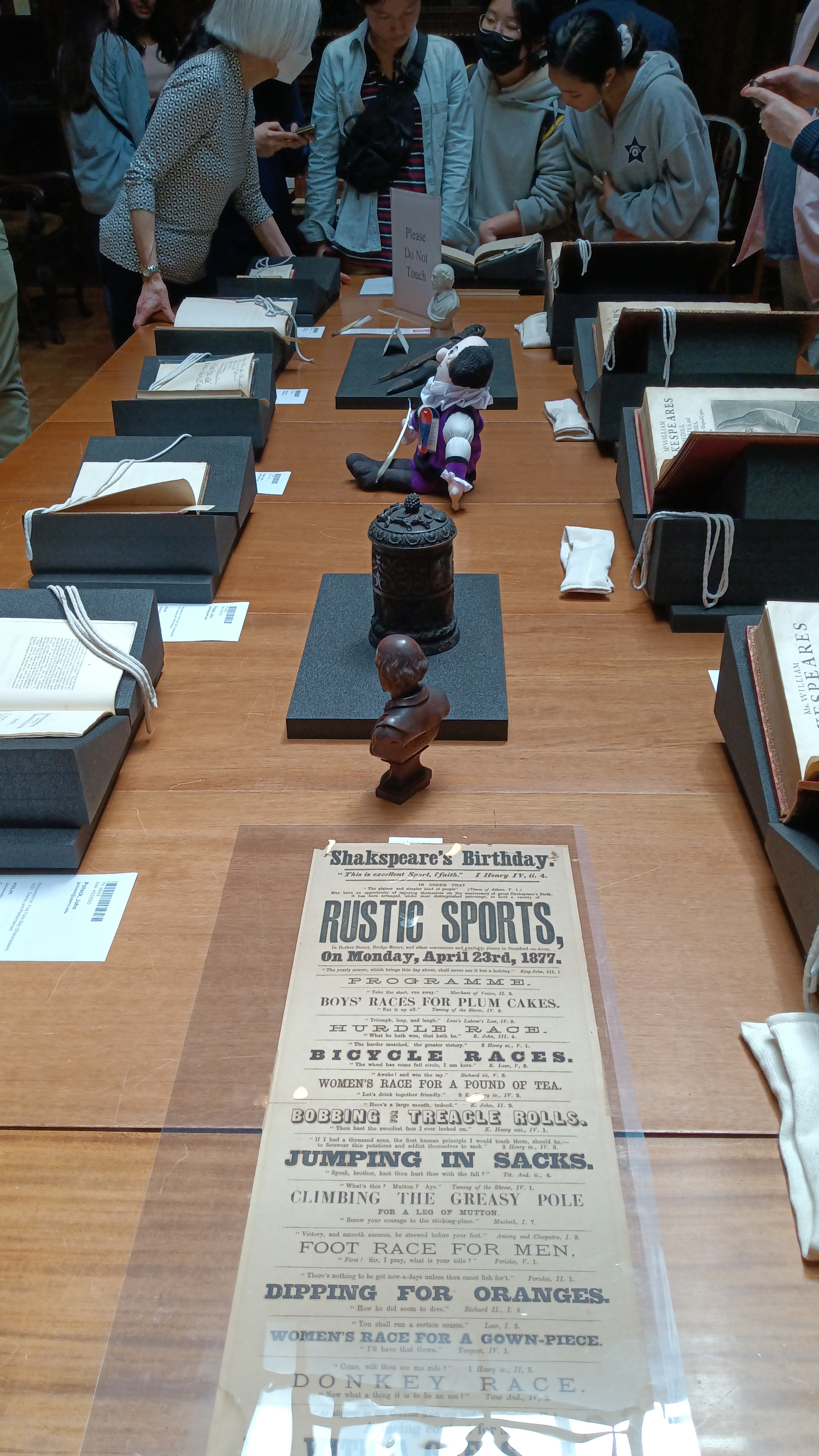
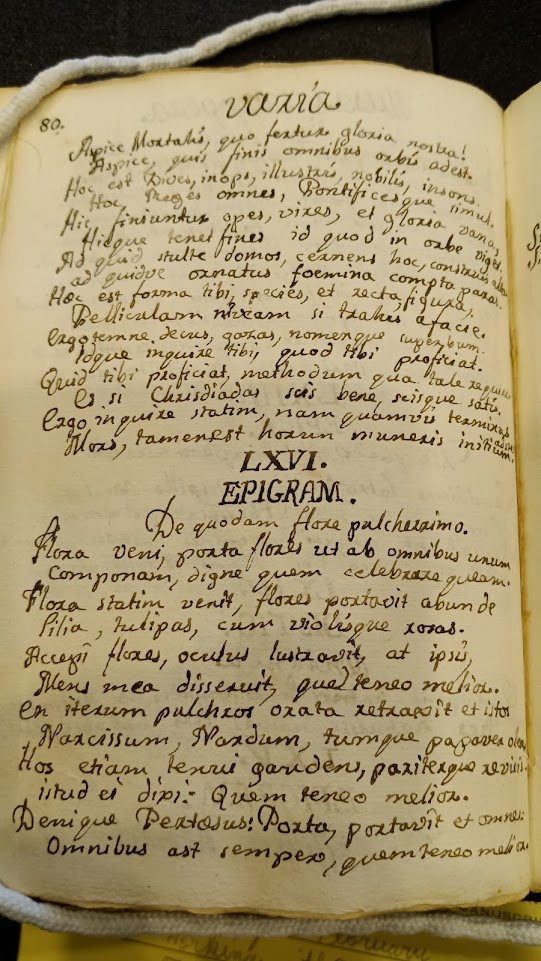
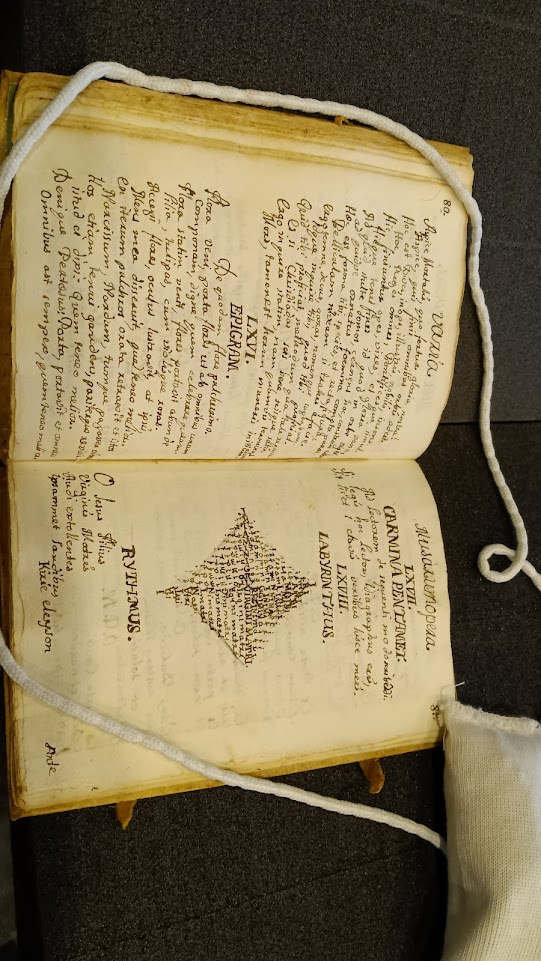
The translational works cryptically alluded to in the previous post are taking more time to develop than originally perceived. As an interlude of sorts, I thought I’d share some recent images mostly from the Lea Library: in one instance, giving a course on Milton and the English Revolution with items from Joseph Wittreich’s glorious collection on display; in another, scenes from the First Folio at 400.







February 14, 2023
Coming Soon: 17th c. Sicilian Religious Poetry
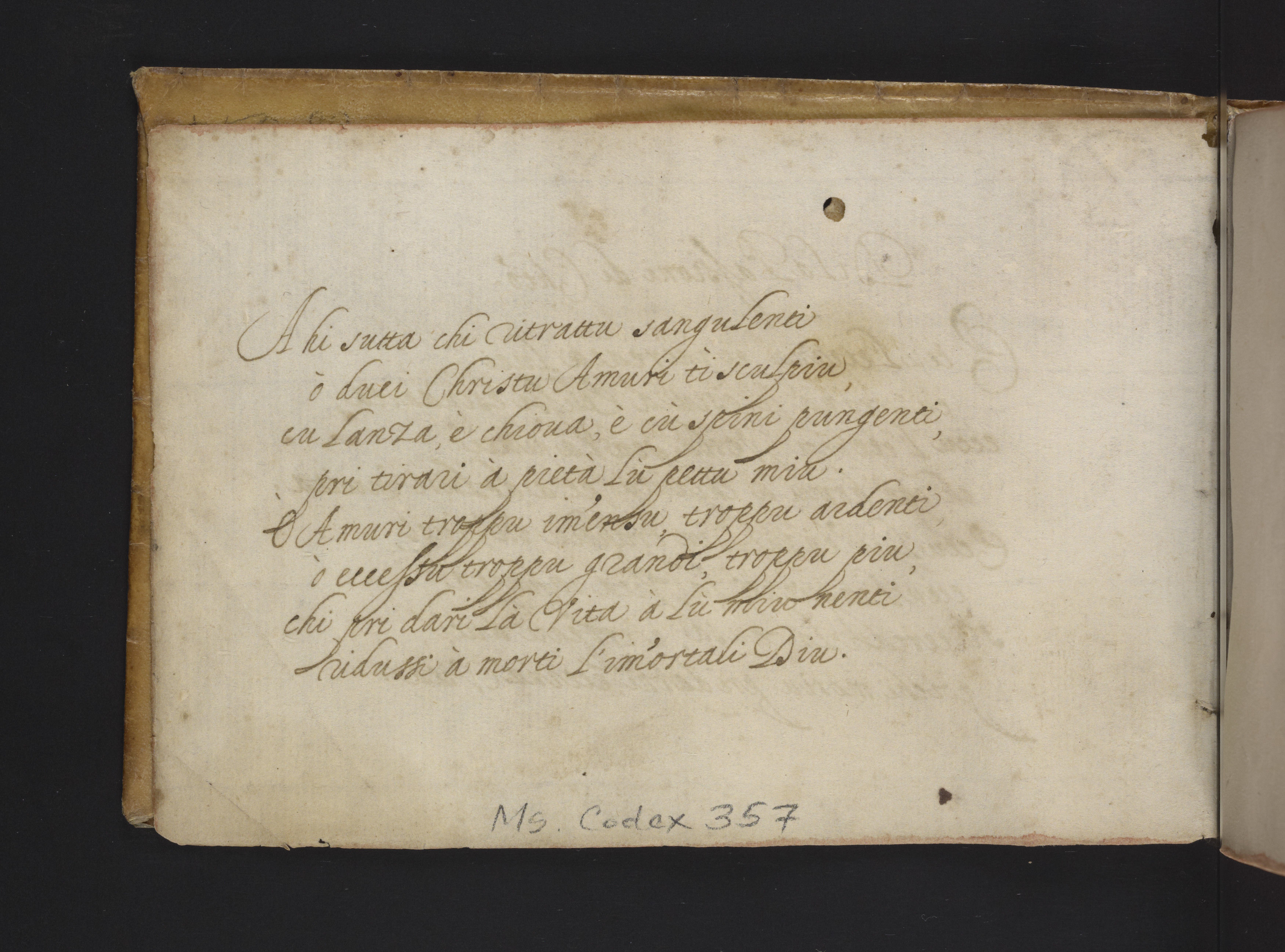
A little note and preview concerning one of the works in progress, being transcription and translations of Sicilian religious poetry penned between 1600 and 1625. Whether one is familiar with my ongoing project concerning Milton’s Roman sojourns, alchemy, and bucolic or not, this present postscript stands to serve as both a chronological and chronotopic preface as well. Through these translations I move toward the questions of genre and rhetoric in Milton, and from there onto the exegetical, illustrative endeavors of Blake and Milton for the 2023 Milton Symposium.
But for now, over the coming weeks and months I will post selections from this collection of 60 poems in ottava rima on various religious themes, verse whose author is unknown, though it is suggested he was an ecclesiastic as per the Kislak Center description.



St. Valentine, pray for us!
January 9, 2023
A Note on Novella Editions
To readers, friends (?), bookshops, &c.,
I have just learned that depending on where one orders my Christmas novella about Williamsburg, it is a coin-toss whether one has my name, book title, and press upon the spine. One ordering from Barnes and Noble, for instance, has the correctly printed work; but then one ordering from Amazon receives a book with an empty spine. There is nothing that can be done without stultifying the availability of the work. In order to amend this situation, I offer anyone with a blank spine a personal designed edition, the spine etched in cursive with lightly hued ink, for free. For such a copy or copies, write to jwdn[@]upenn.edu.
December 15, 2022
Toward a Critical Edition of Matthew Hale
The whole is illusory.
Fassbinder
The devil has a different way of pursuing each person.
Cavazzoni, Brief Lives of Idiots
Sumus ergo etiam nunc in Tenebris.
Hobbes, De Regno Tenebrarum
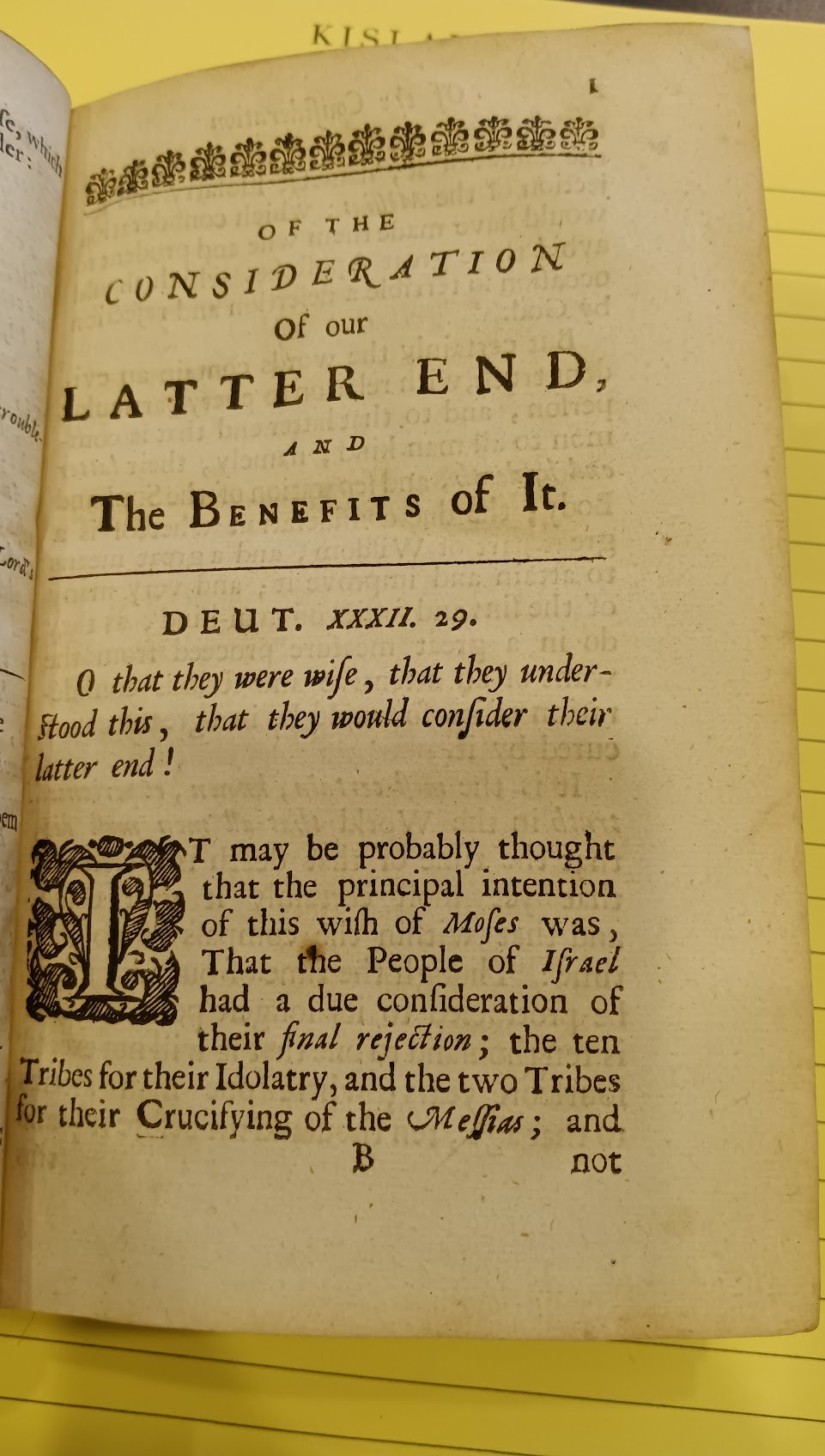
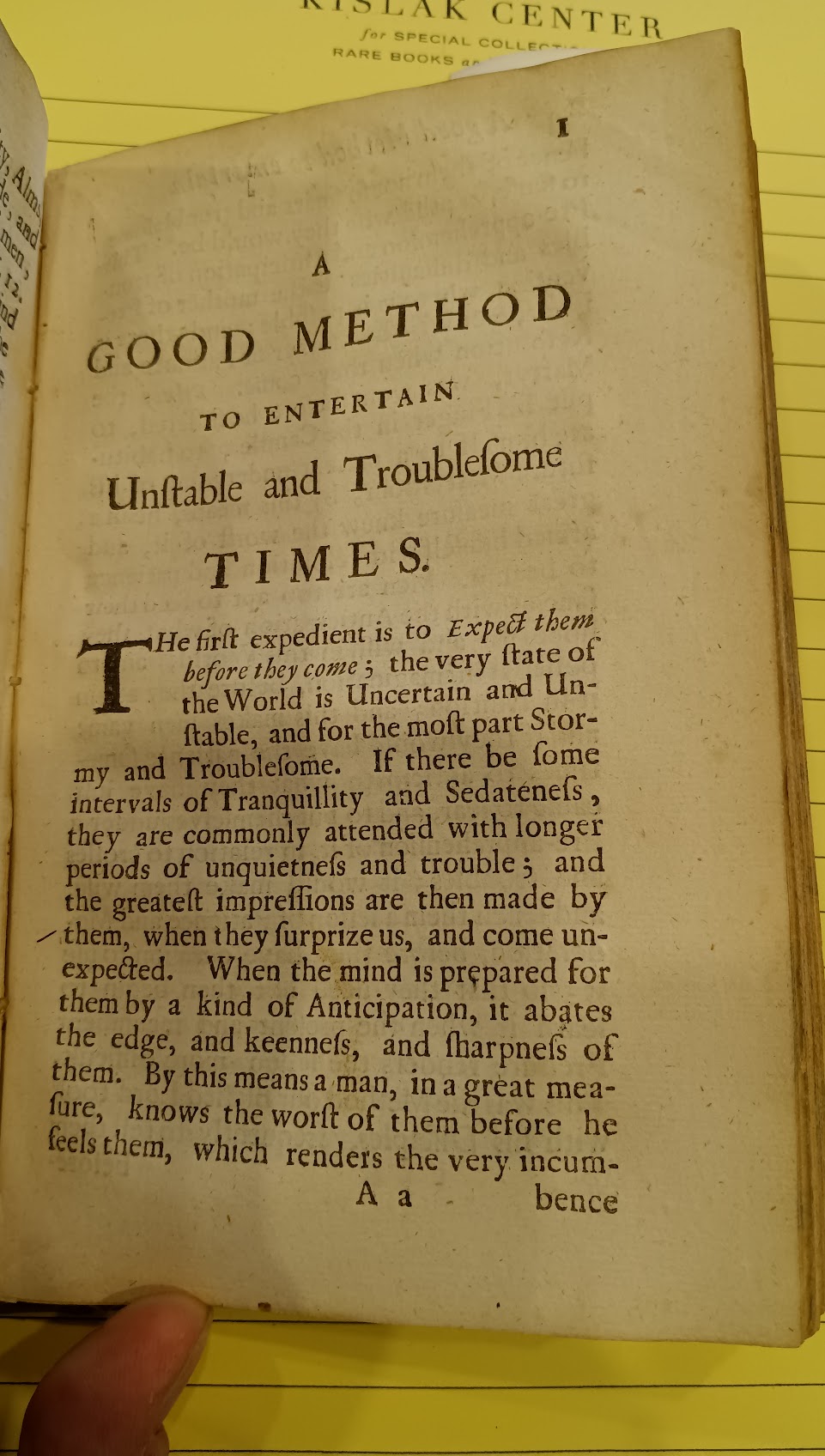
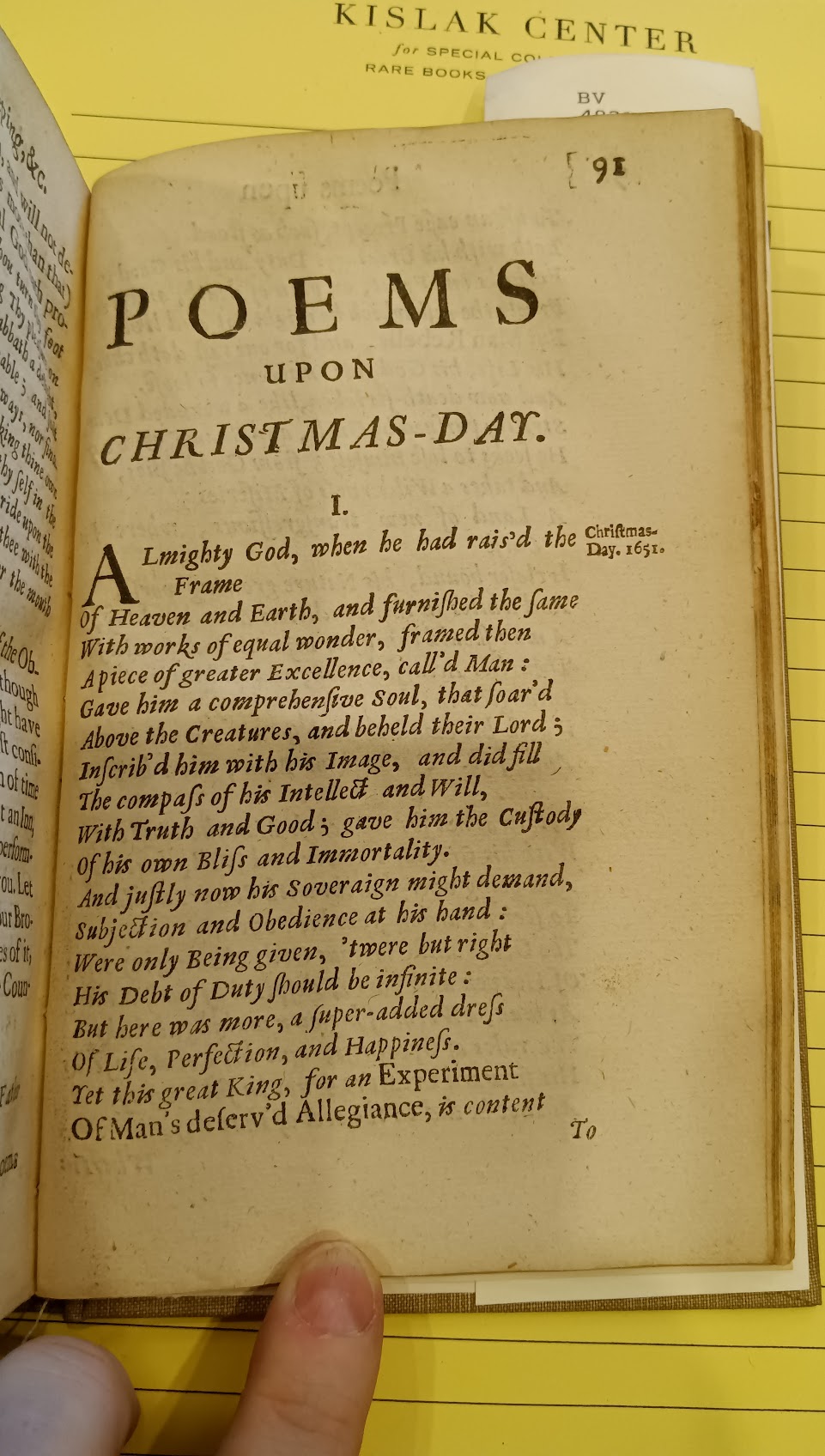
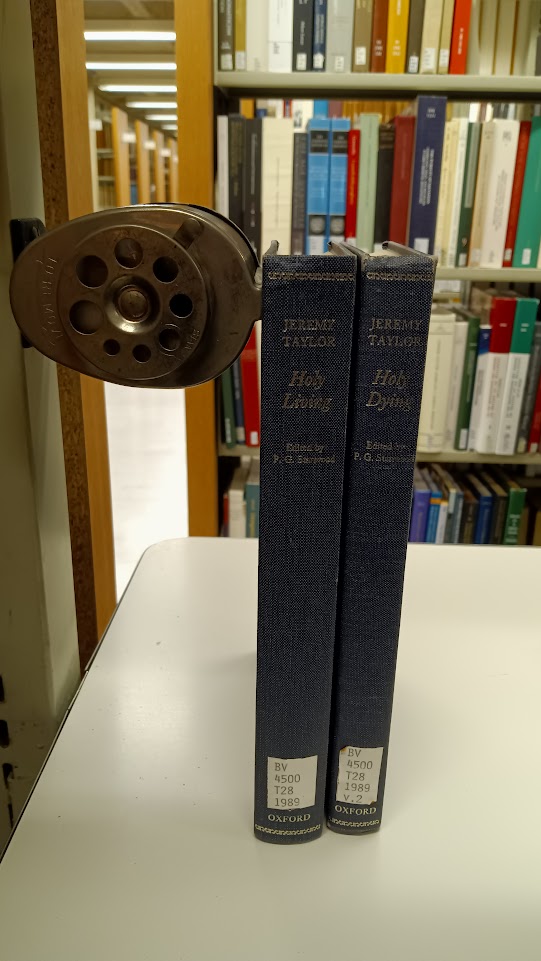
I had never thought about modernizing an edition of a given Renaissance work until this past November, reading Richard Rambuss’s edition of Richard Crashaw. This experience planted the subtle idea in my head. Yet I did think of any one text in particular to work with in such a way; nor did I develop a modus operandi in determining how I’d find such a work to, in a word, “modernize.” The idea of modernizing a text is problematic enough for me; Stanwood’s Jeremy Taylor and Shawcross’s Milton had long ago ensured that modernized works held no interest for me.
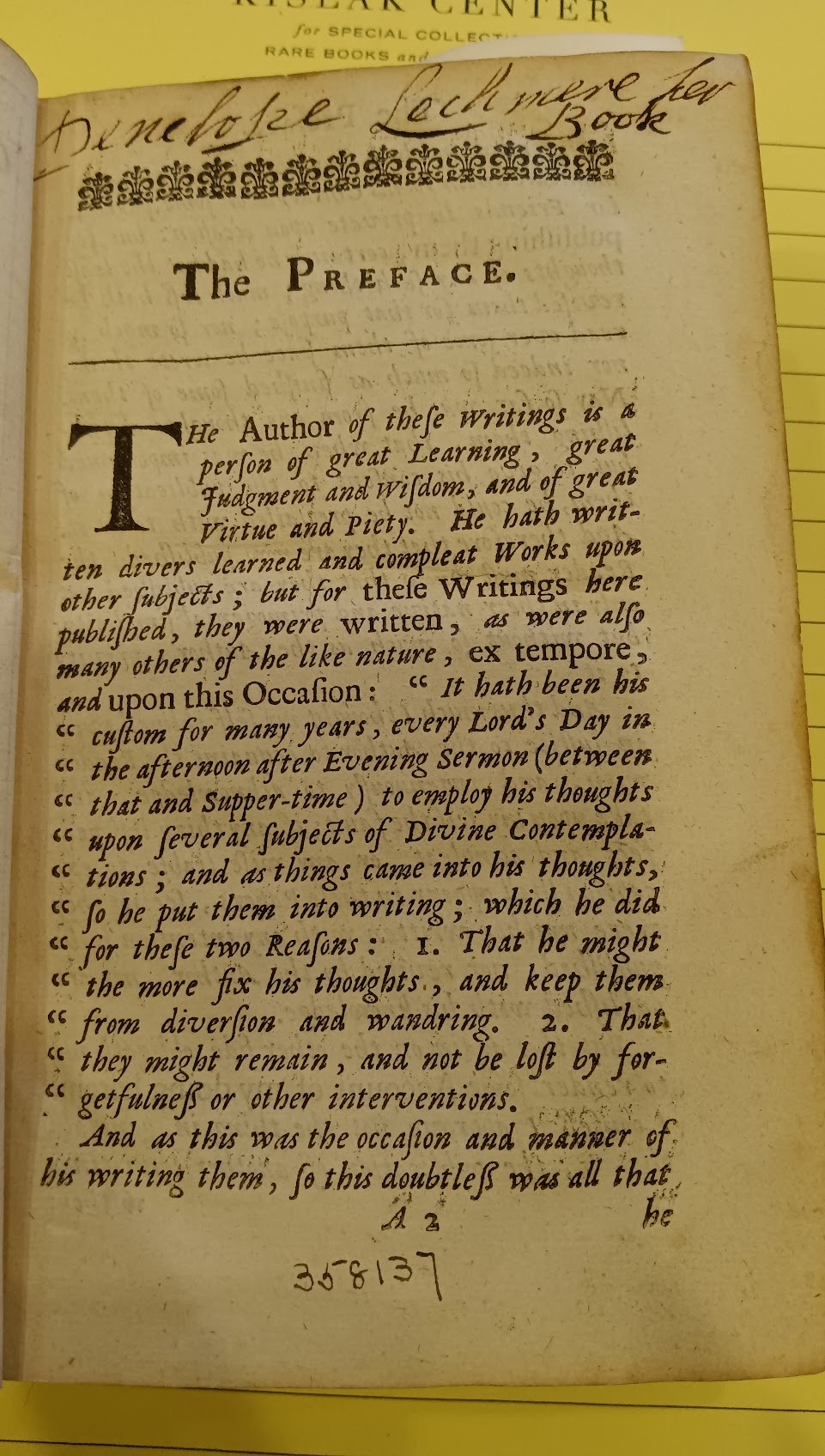
As my examinations of Blake’s Milton: A Poem progressed, I decided to likewise look further into how Milton operated in the minds of Shelley and Melville. Such is a book in itself. But in my research, I began to encounter other names amidst the 17th c. influence on British and American romanticisms. One such name that came up in some footnote or another was that of Matthew Hale. After a biographical and bibliographic glance at Hale I gathered that his Contemplations Moral and Divine was the one I would pick up at once.
Alas! Contemplations is like Flaubert’s theory of the author as the dream of the shadow of God: present everywhere, visible nowhere.
As I sat down with Hale I began to wonder – why is this text so obtuse? There ought to be a critical edition of Contemplations that on the one hand modernizes spelling in order to bring Hale to a wider audience, while on the other hand perhaps there could be a version of the volume as-is. Perhaps not; the modernized spelling might simply compel readers to either enjoy Hale in such an edited version with critical introduction, or further induce them to seek out Hale in the archives.
Let us not just revisit works on Hale’s life and work available thus far in order to present an up-to-date account of the life and works. To do this, why yes, of course; but to do it also as to form the first part of a long introduction, the second part of which would be a thorough examination of Contemplations Moral and Divine in light of contemporary Renaissance, Early Modern scholarship.
Either way, such is the thought at the end of 2022, amidst distant traces of the crackling vinyl choral tradition.



 A SUON DI SCALPELLO