A SUON DI SCALPELLO

Η δύναμή μου τελειοποιείται στην αδυναμία

Month: July, 2024

The Republic of Letters (Insieme al Tuono)

We must set our sights on a resurrection of human history and culture, and make that the objectual secret of our thinking, of our future.

Giuseppe Fornari

… the moral law is no longer valid.

Death in Venice

*

I.
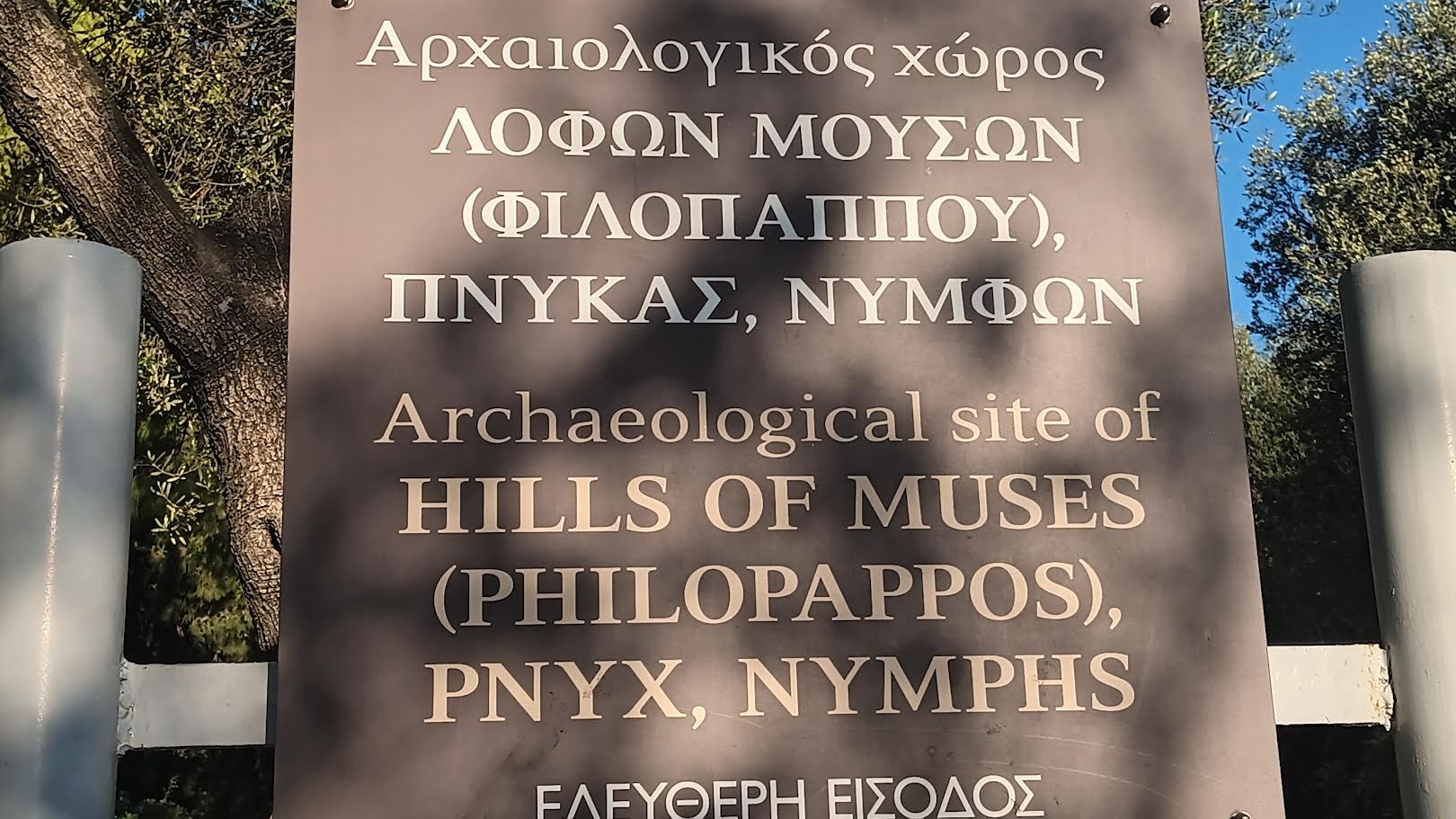
§ At the Prison of Socrates, on the Hill of Muses, I let Hogg: A Screenplay return to its incubatory mode.


§ Redentore in Venice; Casa Leopardi; my Appointment in Padova; Berlin Nocturnes … Bayreuth, the mountains of Austria …


§ But first, Athens, Delphi, Chora, to say nothing of the rest.


II.
§ For the pictorial journal-experiment I promised to keep accompanying prose as simple as possible.


§ I know neither the meaning of life, nor the meaning of meaning, and thus I am wandering about, annotating the Iliad, amongst other things.


§ By night at Athos.


§ To every sentence, a wealth of further contemplative material, insight, to be refashioned poetically and otherwise, at another time.


III.
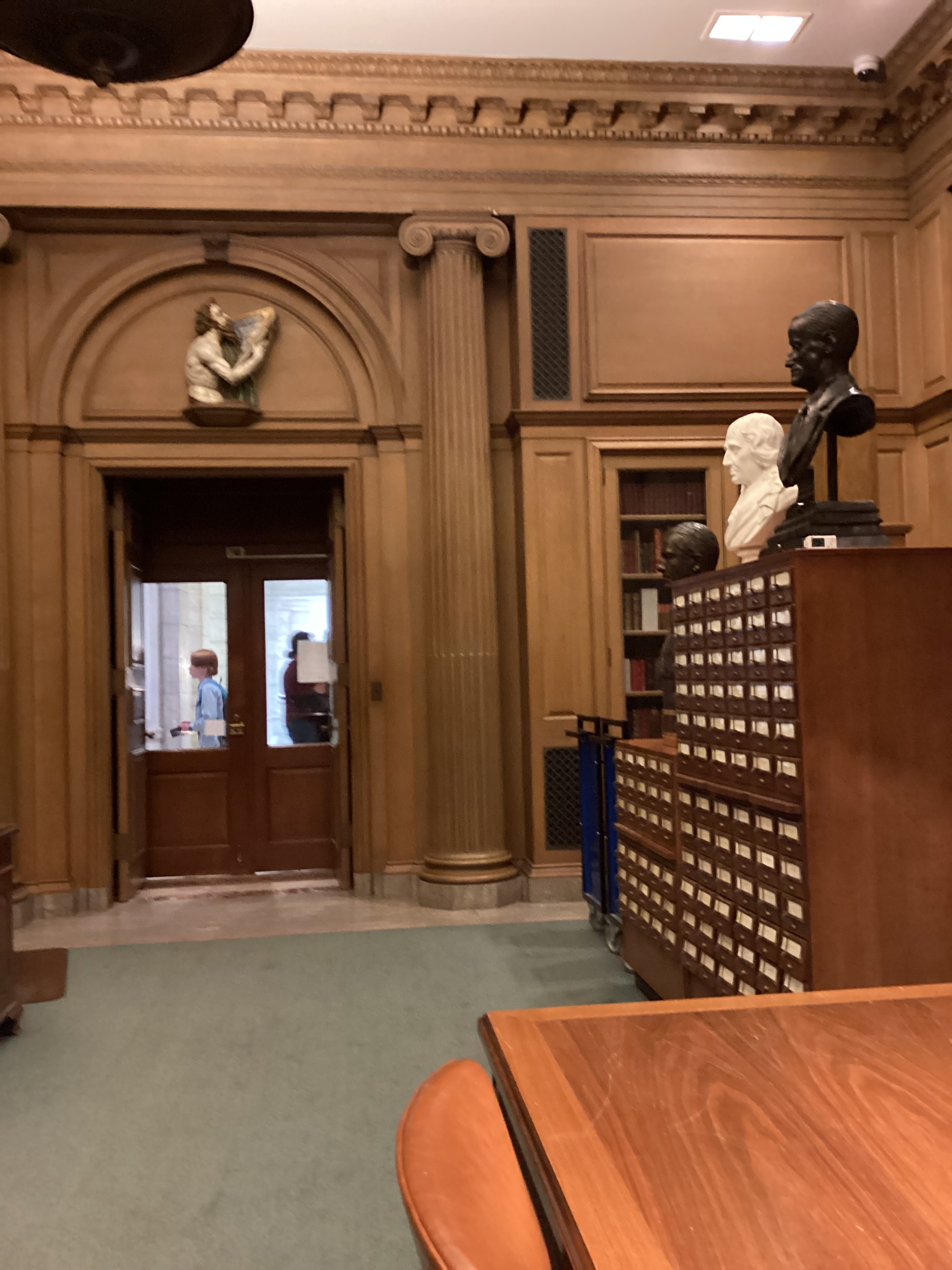
§ These are my thoughts, at the Hill of Muses, collected on postcards, scraps of paper, receipts, and floor-plans of the Firestone Library.

§ As there are horror films, there is likewise horror music: to hear out of the blue, in a foreign land, an American woman’s voice.

§ A sign to retreat further, ever further, into the Hill of Muses.

IV.
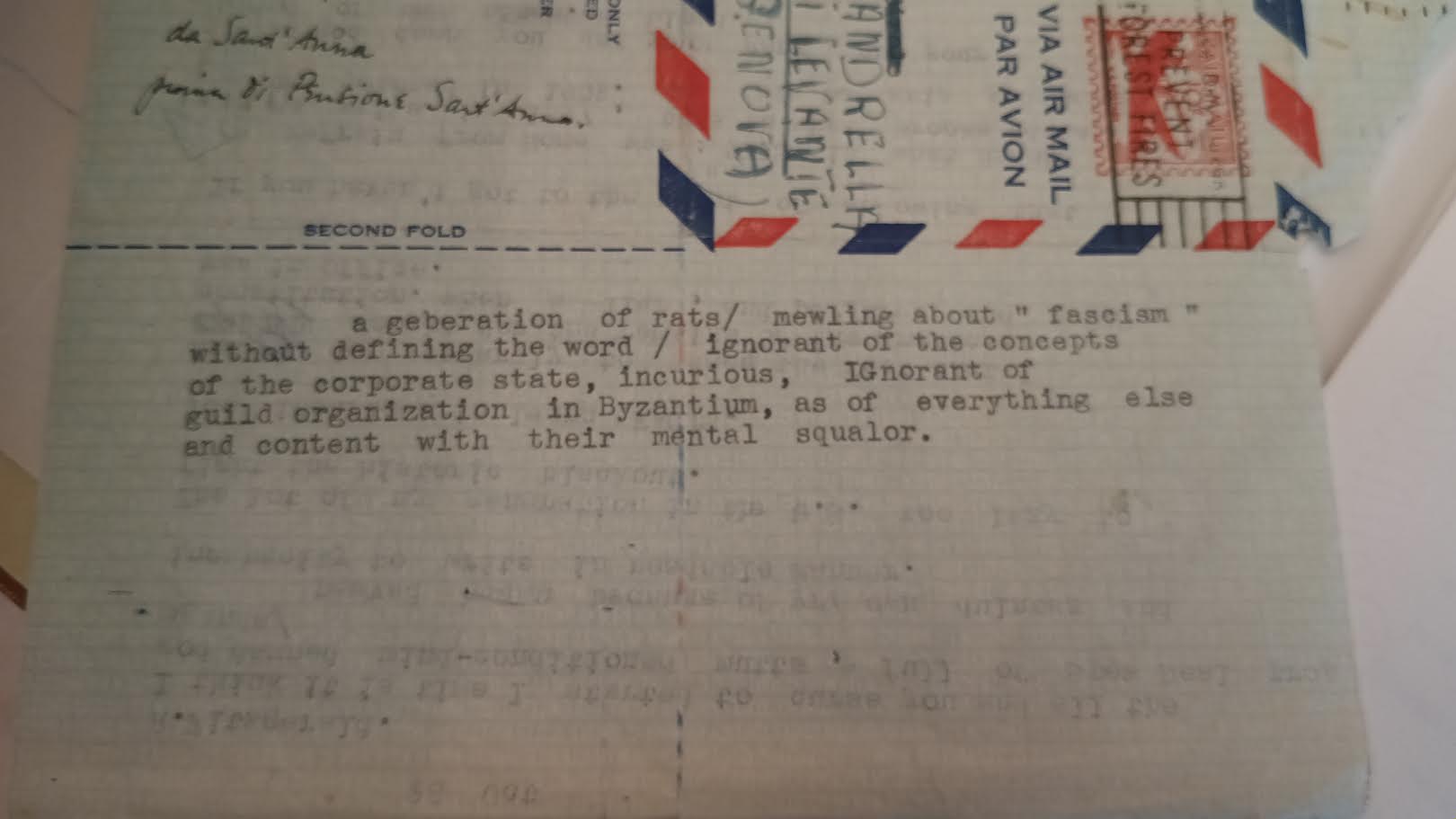
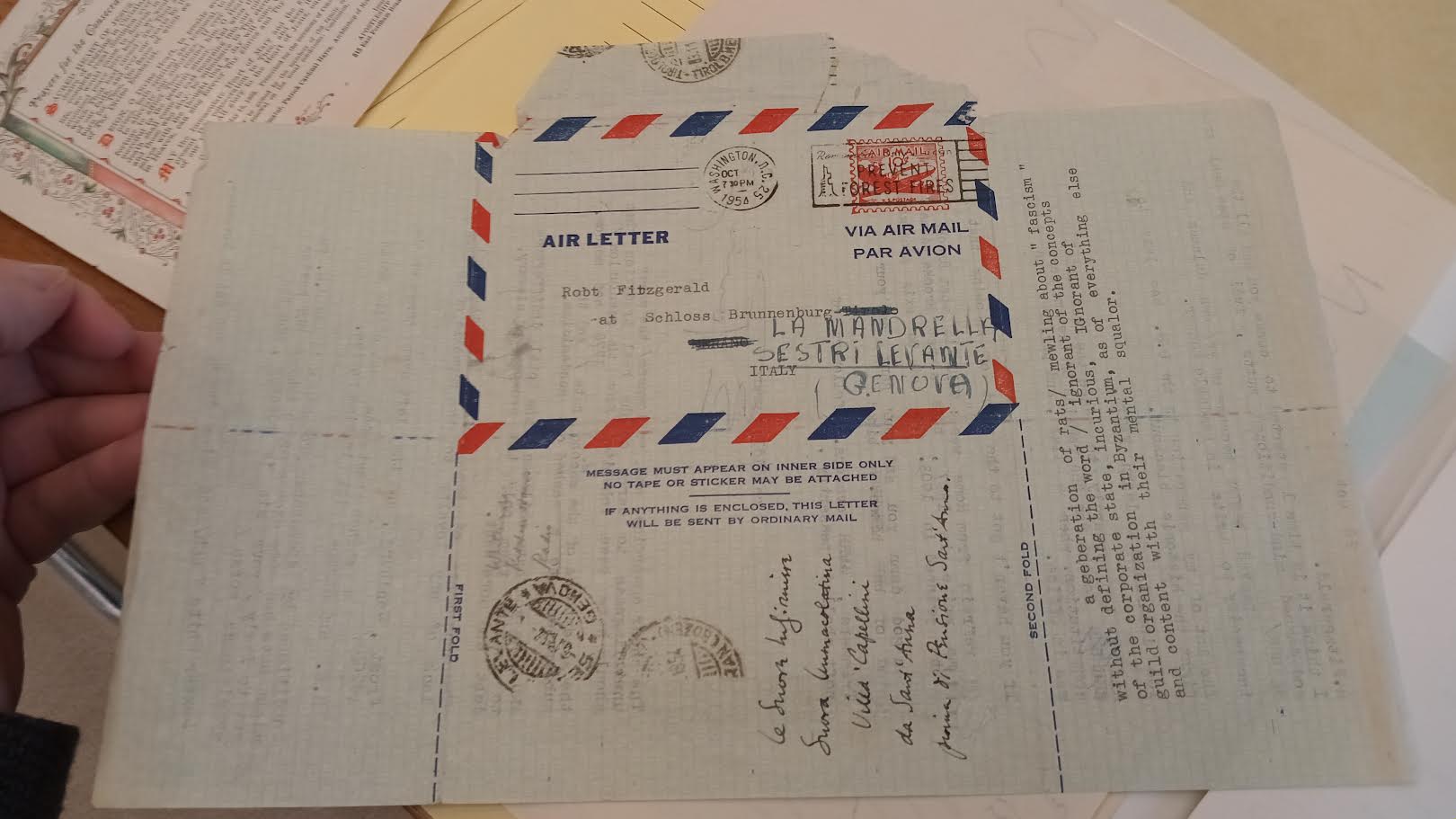
§ Demosthenes in Dublin’s National Gallery, mouthful of pebbles; Savonarola’s Hieronymus; coffee table book: Ezra Pound in Italy.


§ Relinquish sacrifice, relinquish guilt, and there you have it, with eyes that could shine like meteors and be gay: consolation.

V.
§ In Venetian rain, hair wet (yes, I see, feel, indeed it is) — long reduplicating days of training wet at the Ca — our nocturnal underpass on the eve of Redentore, our side of the Rialto Bridge, immortalized — “ah, I love this country!”


VI.
§ And I shall dispatch to you and all the land, soon, my Homage to Leopardi, drafted in Recanati itself.


§ At the prison, then, I thought: in the written construction of Genesis, the author, confusing mythological cartography with the inception of Being, in narrative form let unfold what Jack Spicer would say thousands of years later: poet, be like God: the act of attempting to describe the act perfectly fuses the prospect of the fact with the conceptualization of the prospect of the fact, from inception, to narrative, to reception.


VII.
§ In order to write God, one must see God in oneself, which is consistent with biblical teaching, that the kingdom is within.


§ In writing any of this, the writer – through contemplation and a leap of faith – becomes godlike, in describing God.

VIII.
§ Which is not to say that writers and readers of Creation narratives are gods.


§ But gods are characters; and characters are gods.


§ What one is saying furthermore is that in addition to the idea that the kingdom of God is within is that the cognitive and imaginative conceptualization of the essence of the manifestation of Being calls for a mutual summoning; this summoning is material hermeneutics, on the grounds of language itself being material.


§ The terminally dull have called you mad: child, you are one catastrophe away from being in business.


§ And thus one drinks from the Pierian Spring and loses track of things — Strauss, via Karajan.


§ Heavy, turbulent nights: annotating Eliot, then walking without ceasing.

IX.
§ A terminus, if one will, to the limits of bending to the will of the unoriginal, the odious, and the barbaric.


§ One should be less like a poet, or a scholar, or even a volcanologist, but rather like a volcano itself.


§ The Hymn to Recanati – for you, sufficient grace.

X.
§ Light traveler, albeit armed with books, some brought, others acquired, others still gifted: if the books did not mean so much to me I would relinquish them, like objects less integral than perceived when one is delirious along the Camino.


§ But then the trepidation of physical distance disintegrates, moving from where one wants to be, to where one needs to be.


§ For everything is clear save the obvious.


§ “Together with the thunder”:


§ And chorus is a symbol of memory, centered in refrain.

XI.
§ Faint, rhythmic incantations from the direction of the Acropolis; shuffle and murmur of various tongues and animals.


§ Not another soul in sight, here at the prison.

XII.
§ A hidden outdoor chapel, or at least one with windows open?


§ Perhaps that is where some have gathered, setting down laurels for thorns.


§ Looking over the prison cells, I compare them with what I understand of such contemporary structures.


§ An element, along with Judas (thank you, L— of Cripplegate), to examine in the unfolding Fornari/Nietzsche/Milton book.


§ All too soon an hallucinatory sworl in the sand: thousands of tiny ants, scrambling, glistening, as the cicadas roar in the blazing summer sun.


§ Dispatches from Armorica, moving further into the early Greek concept of the soul, and Psyche.


§ I have brought little with me: socks, shirts, toiletries, a handful of books which were designed to the intensify the light of Egypt, ranging from Harmless on 4th c. monasticism to a translation of Flaubert’s Tentacion I’ve yet to read.

XIII.
§ Resume with day to day life in Greece, where unfolding works collide with persons and places in unreal time, far from the insane asylum that is the U.S.A.


§ St. Paul’s hill is around here; sit down awhile on the way to the Apollo Hotel.

XIV.
§ Remember William Blake on Paddington; all day through heaven; in the heart of the heart of a profound translation.


§ Berlin nocturne: the non-simultaneity of simultaneity and Genesis in parallel [redacted] as the breaking apart and reconnection of bodies.


§ Berlin nocturne: not quite yet.


§ Descending the Hill of Muses, here comes everybody, all shapes, forms, of language-material symphonies; but one is hovering elsewhere by then, as it were, paring one’s fingernails.

XV.
§ One may as well strive to comprehend whatever made all of this has been up to ever since, as to vainly penetrate the self-mythologizing, poetizing philosopher.


§ The less the artist is concerned with hermeneutic facticity, the more jobs there shall be for future scholars; for one who breaks with that bourgeois love of simple artificial order, with its roots in discussing the weather, which always strikes one as code for something else, does the intellectual job market of the future a great service.


§ Vast questions, vast secrets, vast silence: and silence, says Pierre, becomes this grave.


§ Much work is to commence, continue, come autumn; but first one must voyage au bout de la nuit


§ I remember you well, at Apollo Hotel –


§ And that the external odyssey is at very best half the odyssey itself.


§ Religious verse is dreadful, says Leopardi, except for John Milton.


§ To the Apollo Hotel —


§ χαίρετε!
Delphic Journal: Arbitrary Prescript

To the Persian Faerie Queene, Fifth Descendant of the Shah, HB, Ever-Faithful Constant, Whom I Met as the Odyssey Took Form, & Hope to See Soon — [Are we not writing a book of our own, a book within a book — a book within the Book of Life?]

But how do beings become more existent, or also more nonexistent? That depends on being itself and on how being sends itself to the human.

Heidegger 

This book was originally entitled the Egypt Journal. My plan was to have a series of sequential paragraphs, or constructions, orbit around time spent at the pyramids, in Alexandria, the Cave of St. Anthony, before a nocturnal voyage to Jerusalem, and beyond. Unfortunately, extreme heat and border issues (things which of themselves never dissuaded me) were symbolically amplified by a crisis at the Port Authority, something perfectly Homeric which transpired in all of two seconds, and forced my Egyptian and Israeli co-revolutionists and I to reschedule. Perhaps this autumn, perhaps the next. 

The plan is to have a complete draft of my second volume of poetry, radically unlike the first, conclude as my wanderings themselves conclude, all the while philosophizing and poetizing as global flaneur. More on the second volume of poetry soon — I am presently writing on a bus in Leipzig, both keyboard and Wi-Fi shaking, though the time to delay the unfolding journal has passed. 

The poetry is all coming into fruition without issue. Good, then, for there is more time-sensitive material on the horizon, which must commence this autumn. 

An integral part of the odyssey is to commence what I have been over the past two months contemplating as the beginning of the “second wave” of my work. I think a line can be traced from my first published works to drafts from spring 2024 which, of course, can also go on indefinitely and be considered the line or golden thread of one’s life … but the work from this point forth is part of a critical departure from the aura of proceeding work. Time will tell to what extent this inference was, is, salient. 

Together, the second wave and its inaugural wandering seek the task of overcoming not others but myself on the way to an artistic, mental, and experiential cultivation without limits, or gloves off. Such is the philosophical life as spiritual exercise, philosophical poetizing as the overcoming of the self. 

And so in the midst of dark sacred wood gone up in smoke, Egypt and Jerusalem less nearer and nearer than temporarily albeit hermetically sealed off from me, I knew not what to do, standing there in the revolting puzzle of pedestrians that is the Port Authority, at the mercy of the unthinking torrent, I knew not what to do with the A train all but seven minutes away. I considered panicking and cancelling; but life is too long for all of that. 

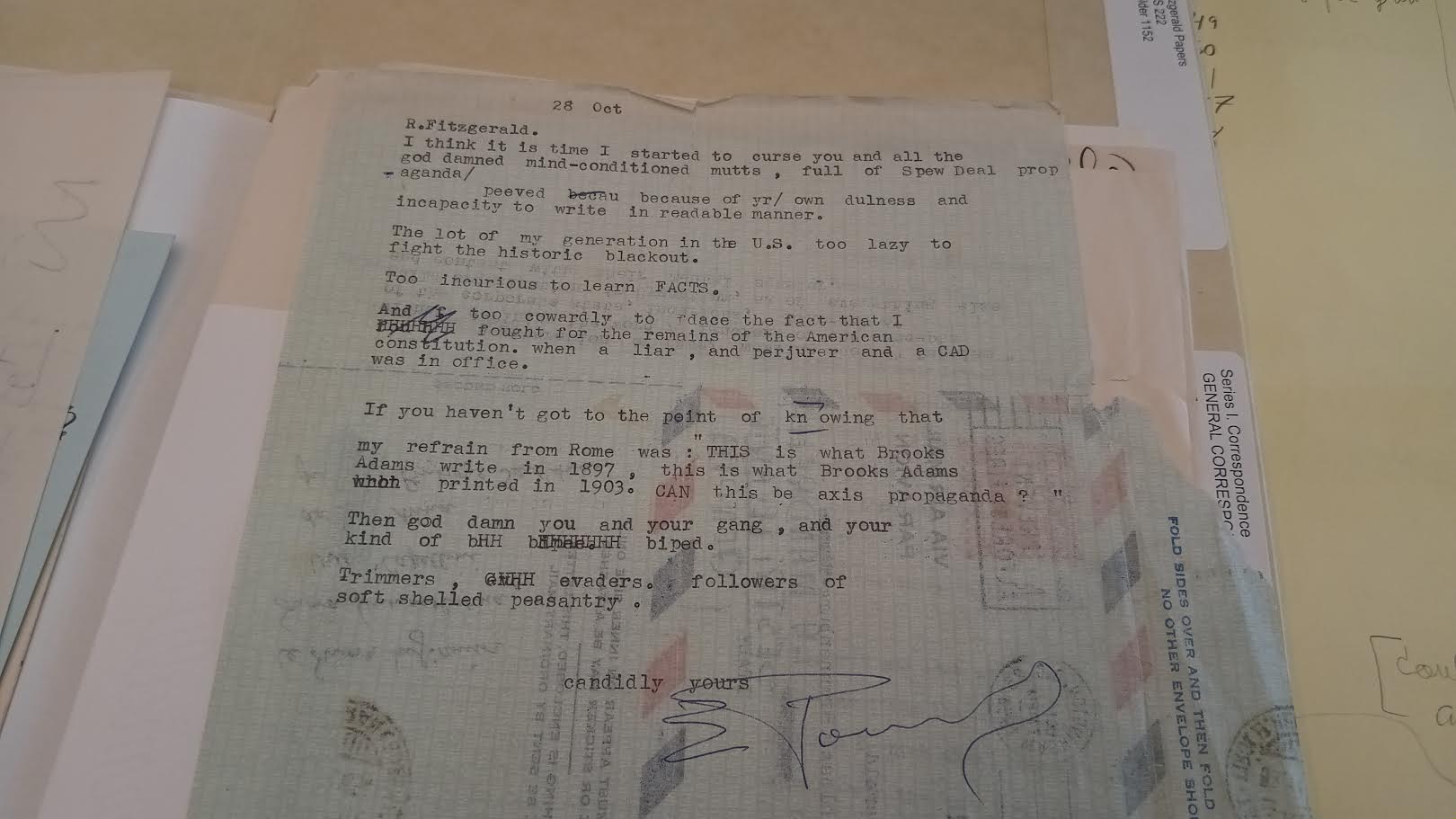
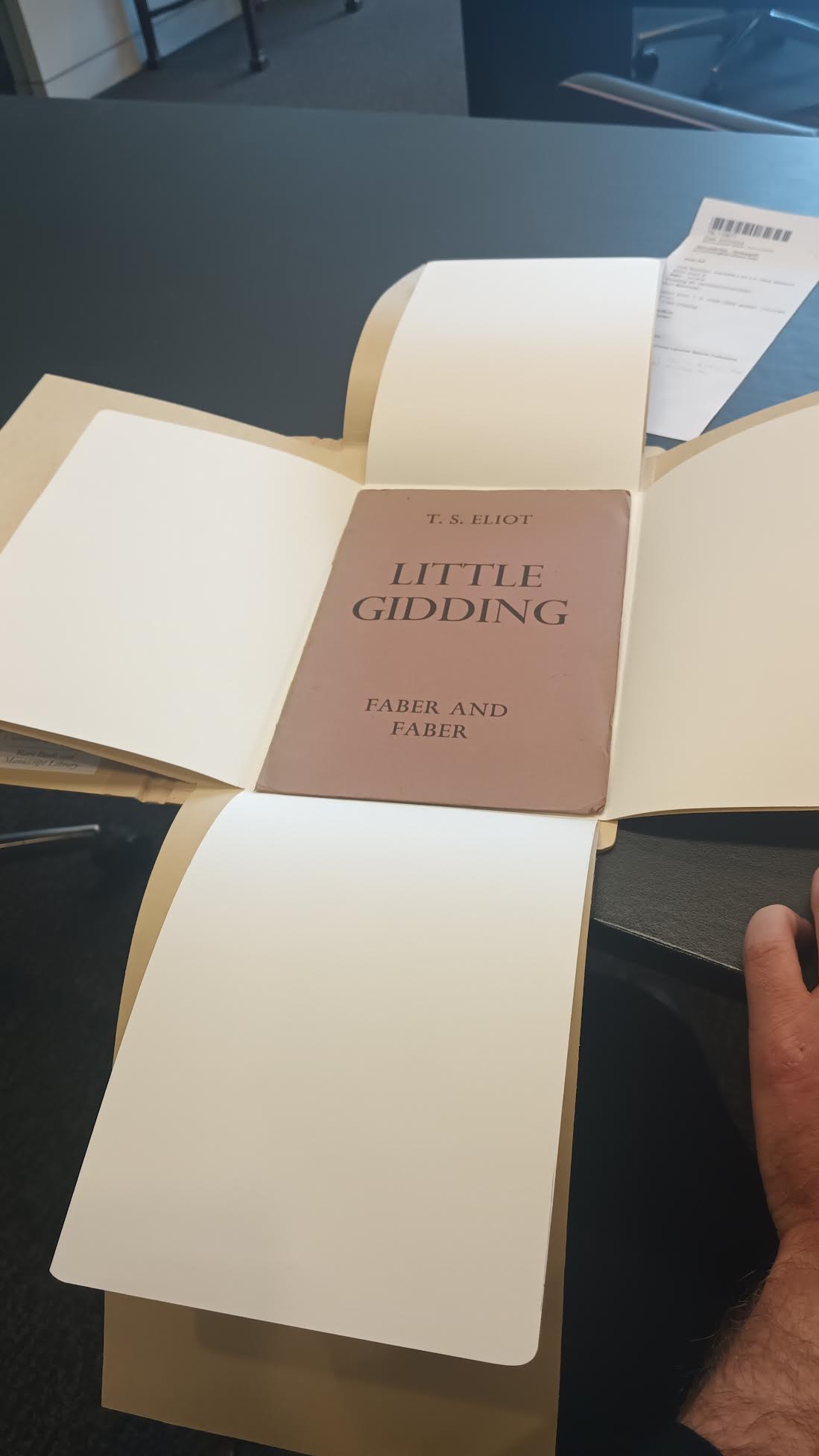
But the odyssey only begins there to one extent. To another, it begins in the Firestone Library, having earlier that day spent some fruitful hours with some papers of Ezra Pound at the Kislak Center, before heading into New Jersey, annotating Eliot’s Four Quartets along the way, for a meeting of the volcanologists. 

Is the wandering a means by which to remove oneself from one’s study from time to time, to be out in the world in order to return to the one that one is creating in isolation, like the author-god of Joyce and Flaubert? Today a library is technically portable, though the key word here is neither library nor portable. One goes out into the world, perhaps, in order to see how little one is missing out on; how repellent everything is that is not one’s work. Nothing has caused more needless suffering amongst beings than confident optimism. How can we gauge the spirit of the age? I remember asking out on Nassau, now peering down the tunnel for a train light, —— responding, Its glacial decay may be considered thusly: when we learn that a book which interests us “could never be written today”, or “does not abide by today’s scholarly method”, then at once we know the book is worth reading. I think of this, watching three rats navigate the polluted tracks. 

As for wandering, its own sort of lectio divina, if one is lucky one finds a place to his liking, and someday returns, either for a spell or indefinitely. One may also meet a person, or persons, to one’s liking, and relations flourish from there. Though I do not suspect anything of the sort happening during this sojourn. And yet what I suspect has nothing to do with what is in store. Nevertheless, my capacity for small talk is at wits end. I recall the nocturnal conversation in Berlin, with ——-, the eye doctor, my anti-Tolstoyan nymph. I do not care to discuss the weather, having realized that the weather arises when someone would rather be saying something else. And what else would one rather say? 

The crux of it lies in concealed and to-be-unconcealed works of literary art. I am no longer sure what to do with the mystical prose poem, and while I think the second collection of poetry could easily be in polished form by the end of the year, I cannot decide whether to construct limited runs of pearl-cloth hardcovers, or do something else with it, them. 

I said to my soul, be still, and wait without hope

For hope would be hope for the wrong thing; wait without love,

For love would be love of the wrong thing; there is yet faith

But the faith and the love and the hope are all in the waiting

Such was my first stop-point in the annotations. I revisited it in crisis, as I realized that my encounter with the Father of Terror, the Sphinx, would really be postponed. Consciousness of despair, desolation, is consciousness of things as they are. Such is less a matter for the medicinal than it is the linguistic. 

The narrative is no doubt jagged. Polish, like stillness, comes later. 

Thus all of this being the case, I set out at once for Greece, the acquiescence of sanity too onerous a burden. Let one walk with masters, in order to overcome the paralyzing mediocrity, the criminal stupidity, the puritanical psychosis of one’s age. For it is nobler, I thought, getting into the train, to seek out the long dead who endure with a spirit greater than life itself, than it is to suffer the living dead, so that one may be in good company as one does nothing of significance on the way to death. A leap of faith is thus in its barest bones a moment of lucid, long-term thinking: should one turn out deluded, with hopes merely unrealistically grandiose, well, then at least we can say that one tried to do something interesting. 

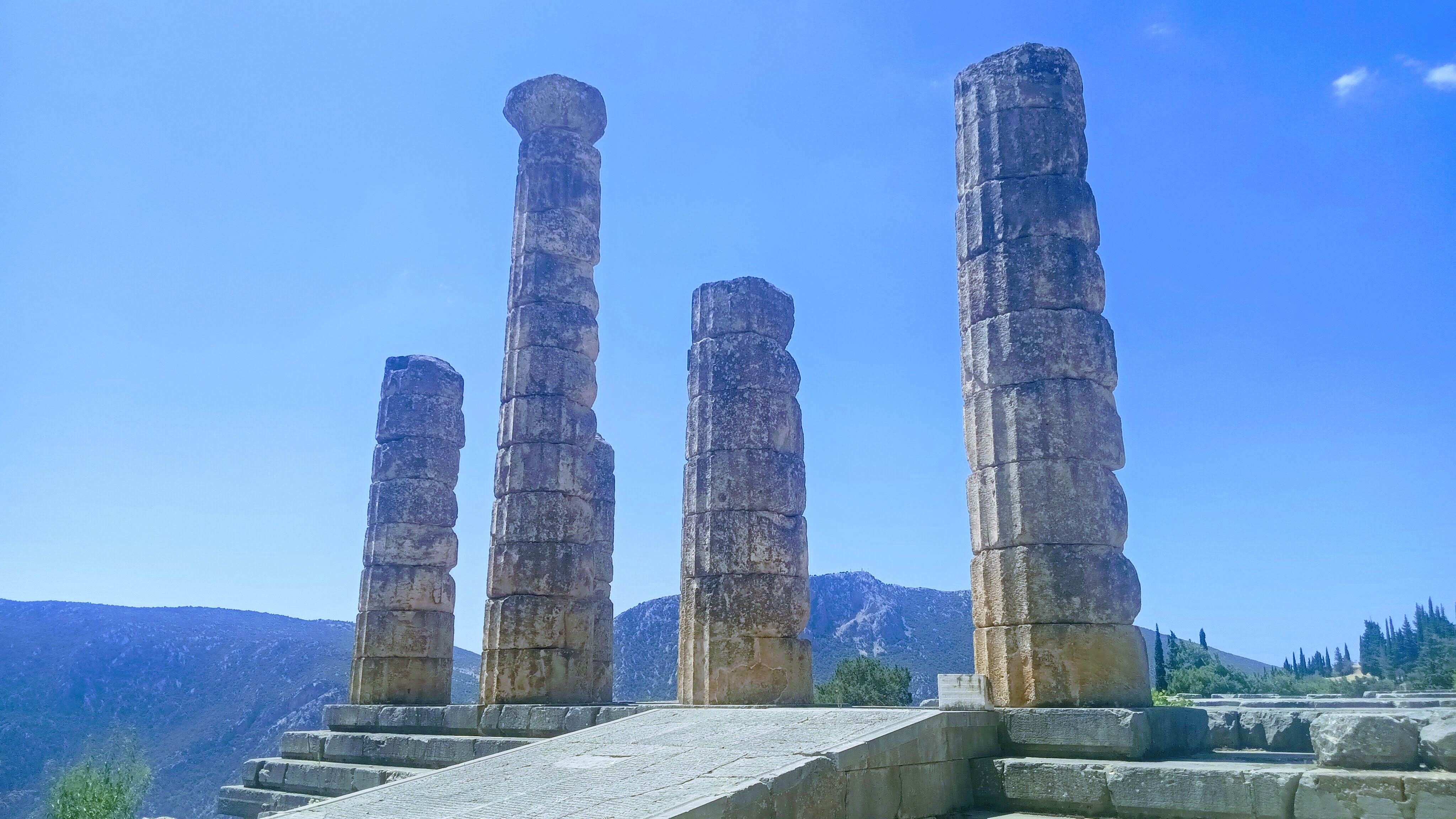
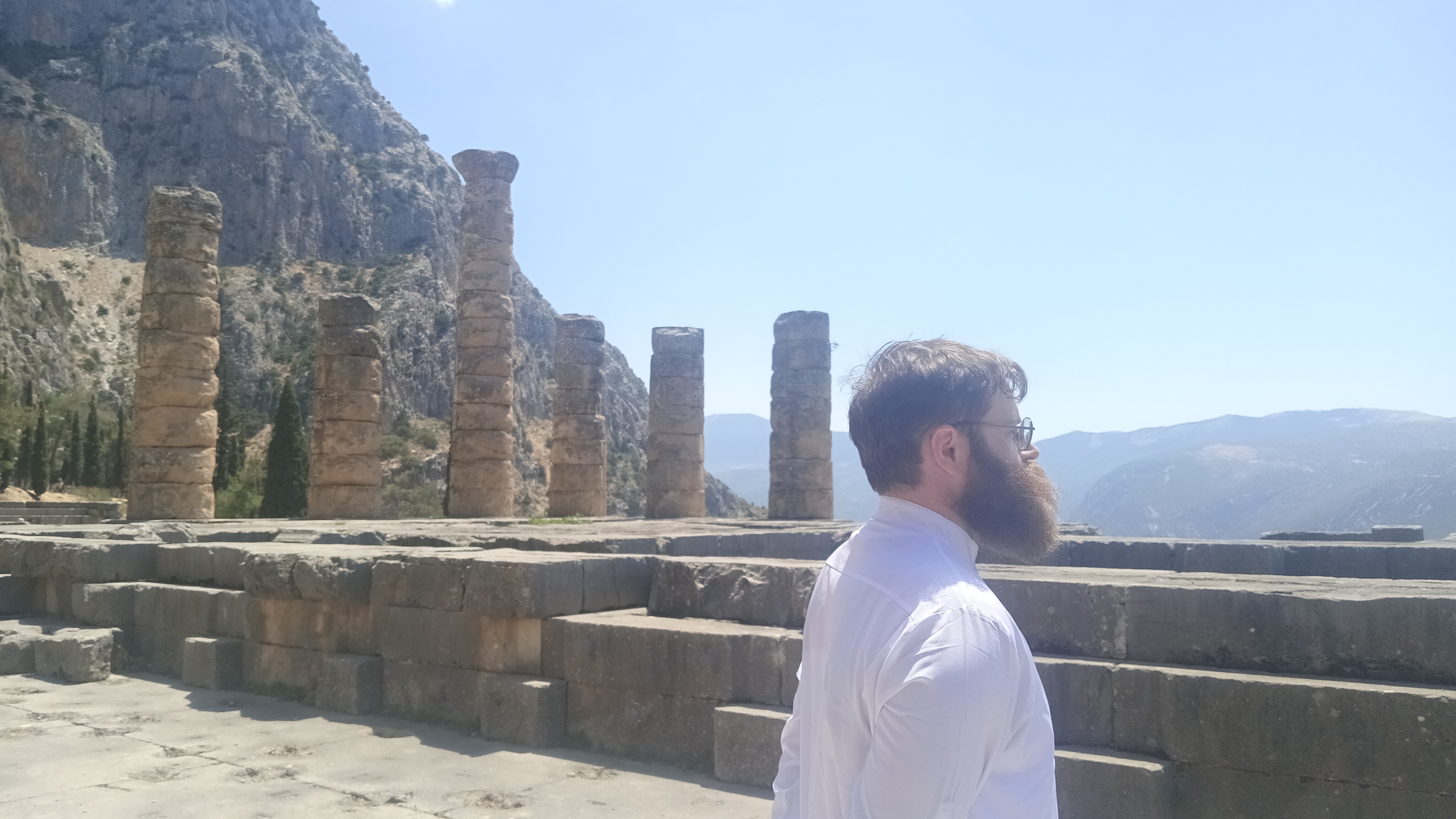
Begin, then, priests of the muses, at the Temple of Apollo, where light still shines in the darkness, and contrary to popular belief, the oracle still speaks, to the etherized disciple willing to not only overcome one’s age, but oneself. 

Because there is no inherent purpose, no intrinsic meaning: such is the purpose and meaning behind giving one’s life a meaning of its own. 

It is doubtful that any mystical ascent is to be acquired through prayer or psychedelics. Rather, one must take the overcoming of the self to the threshold of ascension, with an utter indifference toward acknowledging or even knowing — let the cloud of unknowing be pierced by the ladder of ascent: do not try to alter it or comprehend it, but instead, climb it, until the end of the world.

I have but one reader:

Fate.