The Republic of Letters (Insieme al Tuono)
We must set our sights on a resurrection of human history and culture, and make that the objectual secret of our thinking, of our future.
Giuseppe Fornari
… the moral law is no longer valid.
Death in Venice
*






I.
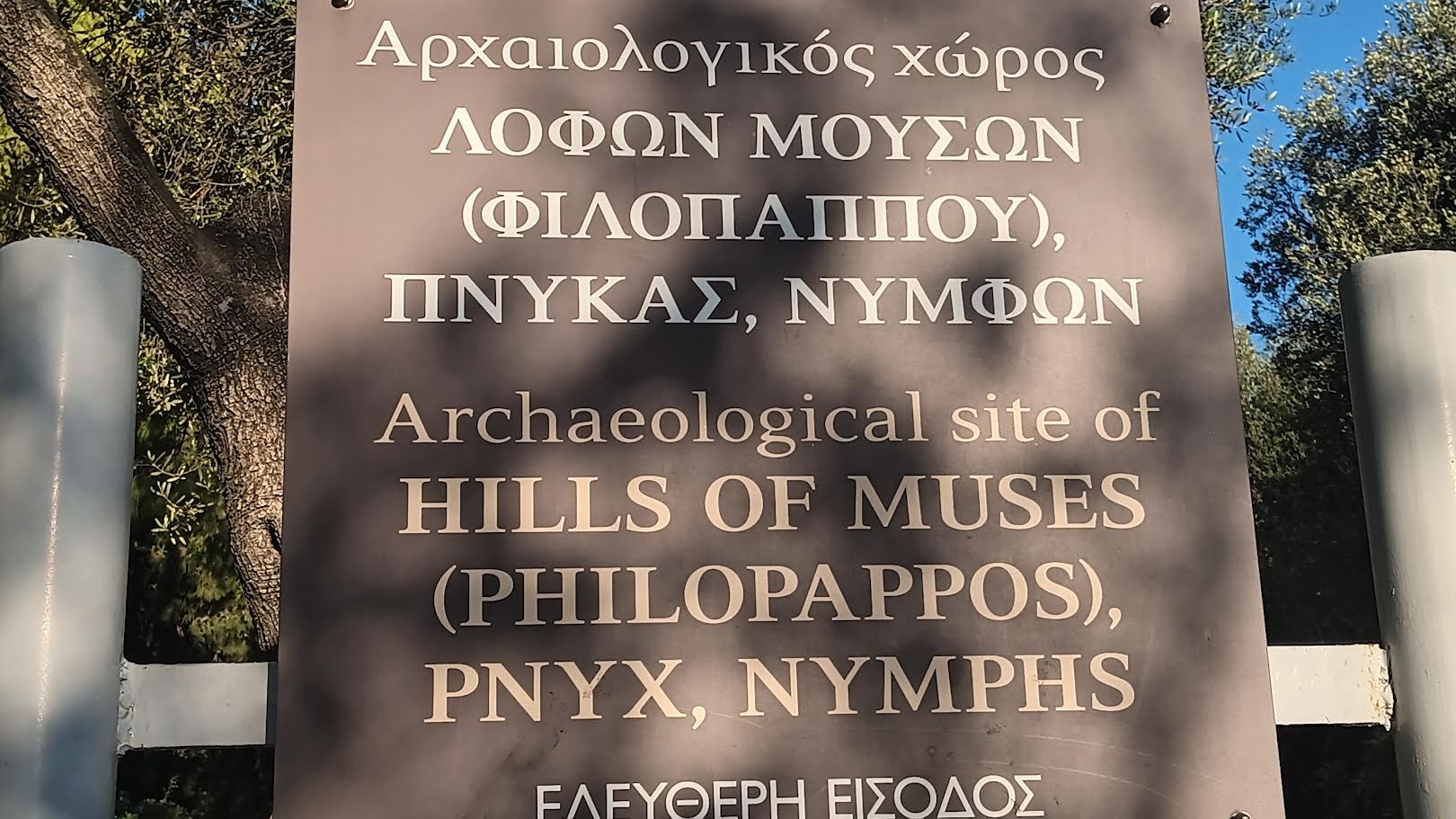
§ At the Prison of Socrates, on the Hill of Muses, I let Hogg: A Screenplay return to its incubatory mode.
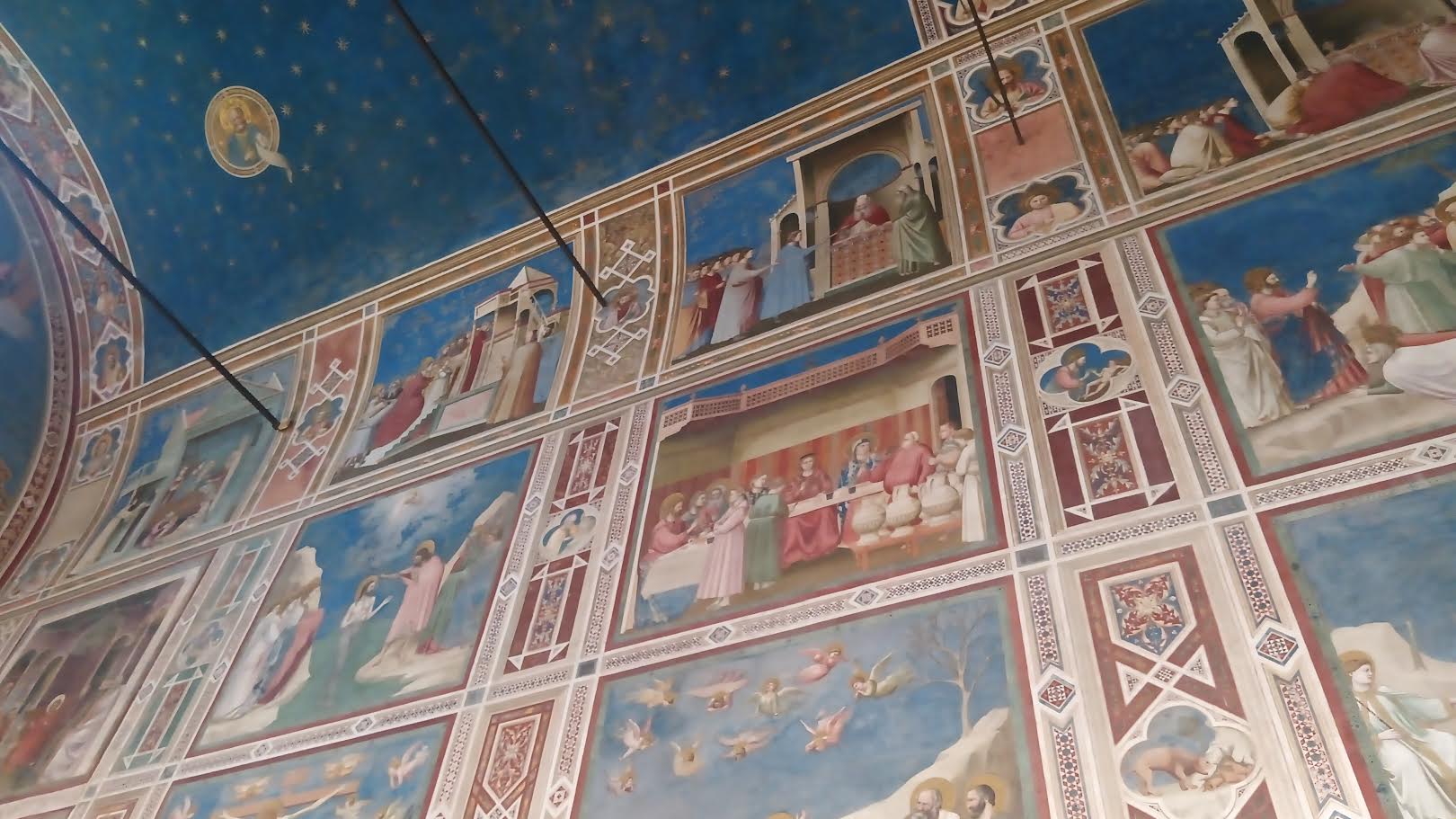
§ Redentore in Venice; Casa Leopardi; my Appointment in Padova; Berlin Nocturnes … Bayreuth, the mountains of Austria …
§ But first, Athens, Delphi, Chora, to say nothing of the rest.
II.
§ For the pictorial journal-experiment I promised to keep accompanying prose as simple as possible.
§ I know neither the meaning of life, nor the meaning of meaning, and thus I am wandering about, annotating the Iliad, amongst other things.
§ By night at Athos.
§ To every sentence, a wealth of further contemplative material, insight, to be refashioned poetically and otherwise, at another time.
III.
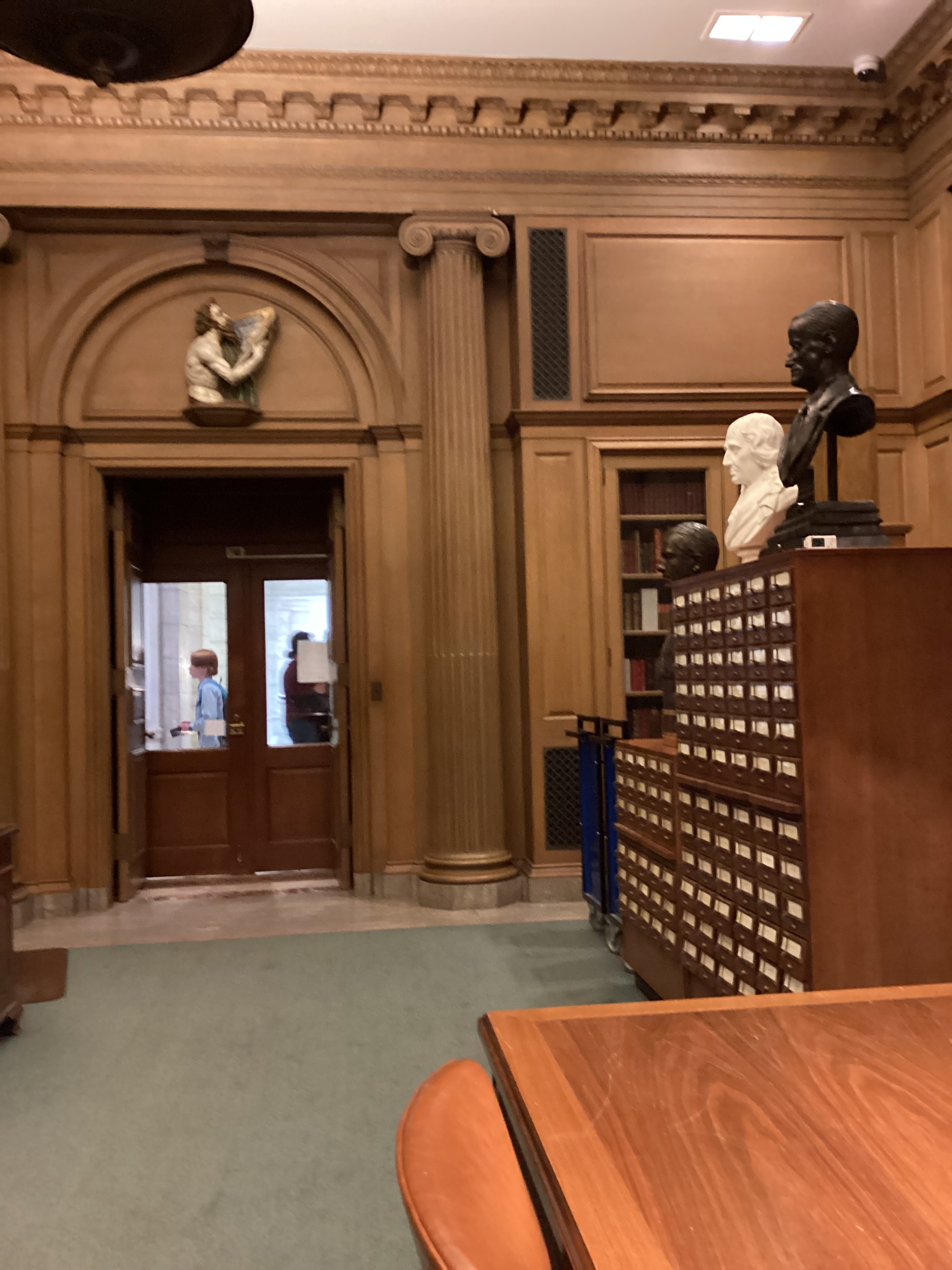
§ These are my thoughts, at the Hill of Muses, collected on postcards, scraps of paper, receipts, and floor-plans of the Firestone Library.
§ As there are horror films, there is likewise horror music: to hear out of the blue, in a foreign land, an American woman’s voice.
§ A sign to retreat further, ever further, into the Hill of Muses.
IV.
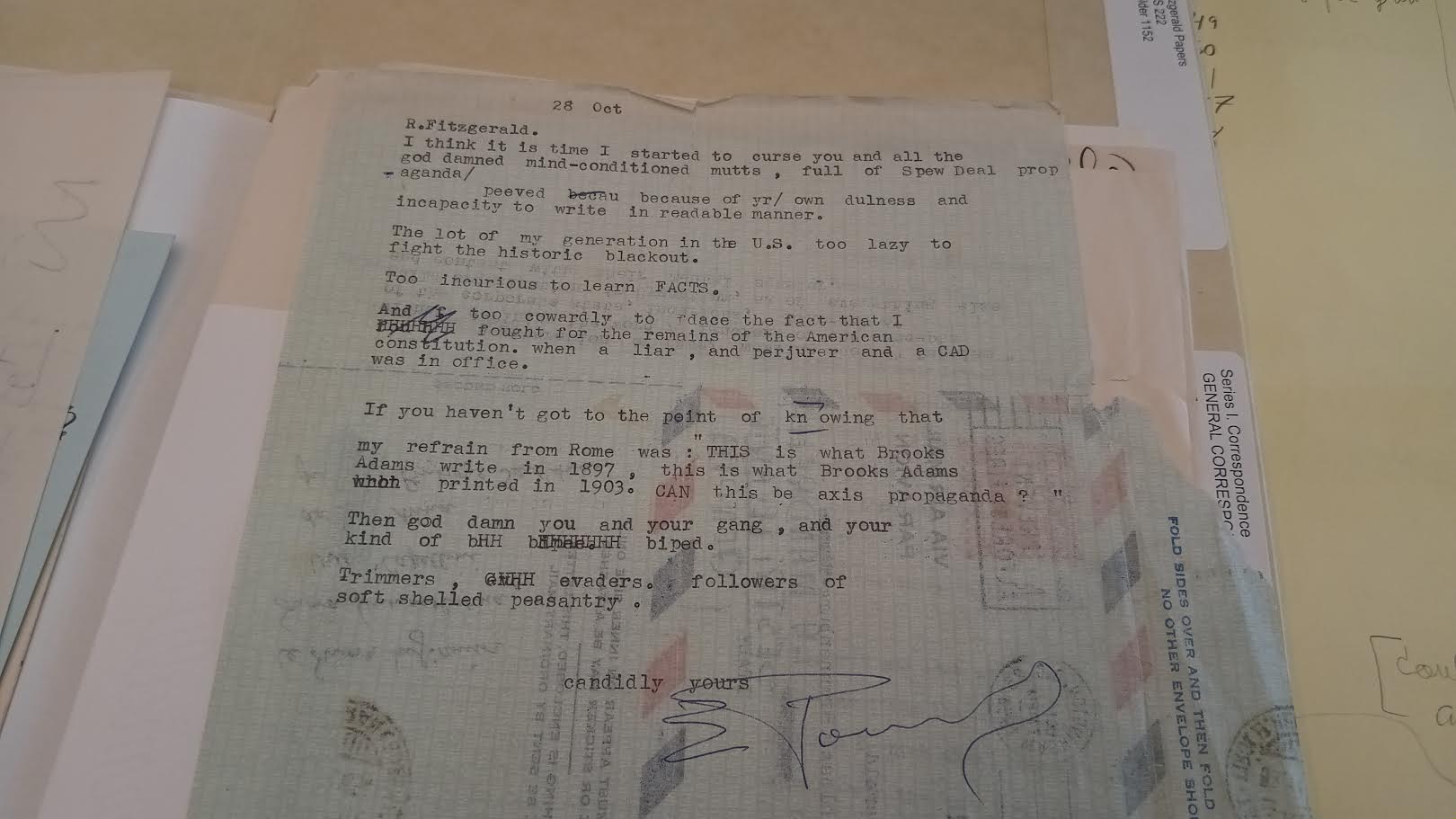
§ Demosthenes in Dublin’s National Gallery, mouthful of pebbles; Savonarola’s Hieronymus; coffee table book: Ezra Pound in Italy.
§ Relinquish sacrifice, relinquish guilt, and there you have it, with eyes that could shine like meteors and be gay: consolation.
V.
§ In Venetian rain, hair wet (yes, I see, feel, indeed it is) — long reduplicating days of training wet at the Ca — our nocturnal underpass on the eve of Redentore, our side of the Rialto Bridge, immortalized — “ah, I love this country!”
VI.
§ And I shall dispatch to you and all the land, soon, my Homage to Leopardi, drafted in Recanati itself.
§ At the prison, then, I thought: in the written construction of Genesis, the author, confusing mythological cartography with the inception of Being, in narrative form let unfold what Jack Spicer would say thousands of years later: poet, be like God: the act of attempting to describe the act perfectly fuses the prospect of the fact with the conceptualization of the prospect of the fact, from inception, to narrative, to reception.
VII.
§ In order to write God, one must see God in oneself, which is consistent with biblical teaching, that the kingdom is within.
§ In writing any of this, the writer – through contemplation and a leap of faith – becomes godlike, in describing God.
VIII.
§ Which is not to say that writers and readers of Creation narratives are gods.
§ But gods are characters; and characters are gods.
§ What one is saying furthermore is that in addition to the idea that the kingdom of God is within is that the cognitive and imaginative conceptualization of the essence of the manifestation of Being calls for a mutual summoning; this summoning is material hermeneutics, on the grounds of language itself being material.
§ The terminally dull have called you mad: child, you are one catastrophe away from being in business.
§ And thus one drinks from the Pierian Spring and loses track of things — Strauss, via Karajan.
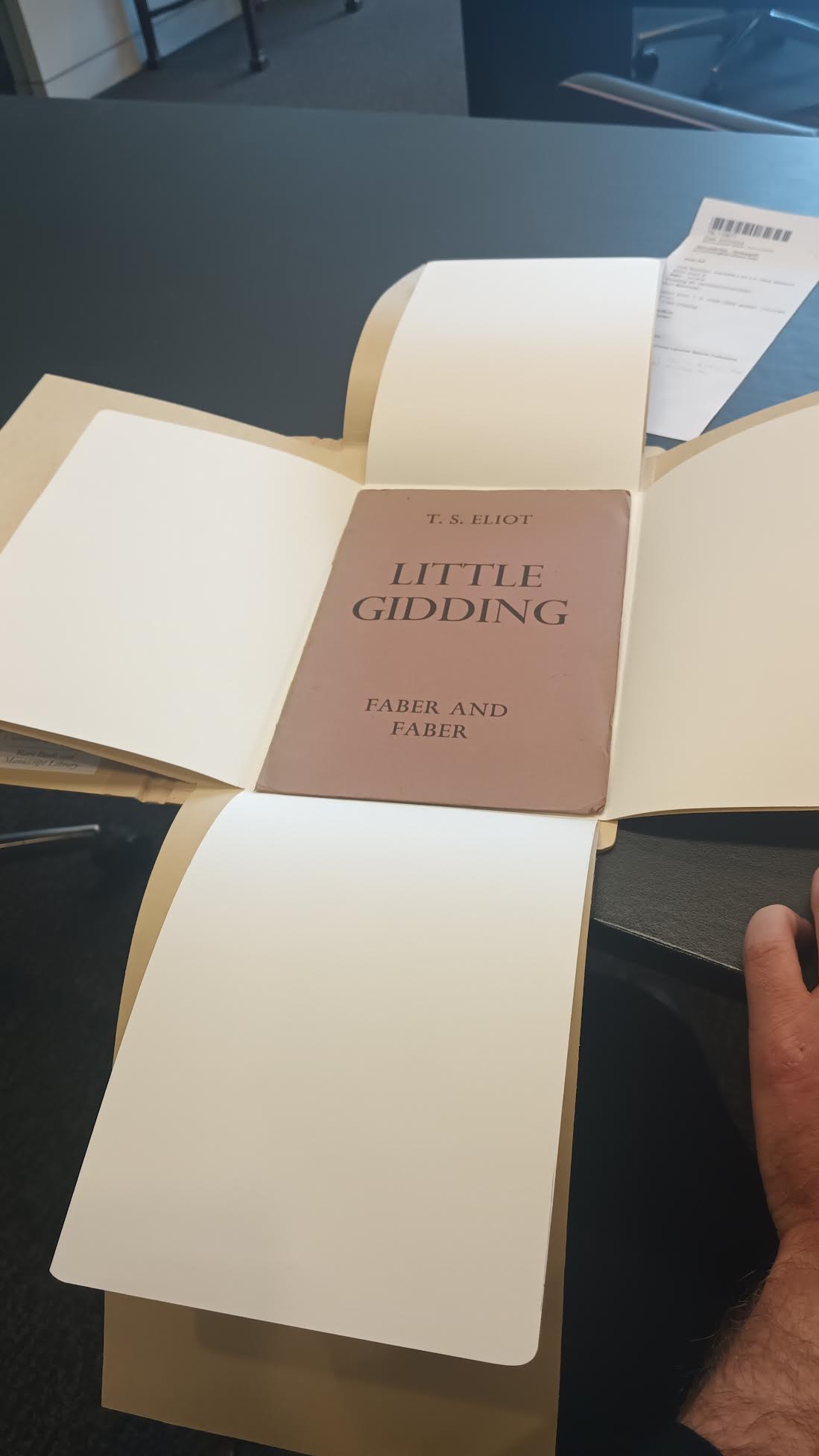
§ Heavy, turbulent nights: annotating Eliot, then walking without ceasing.
IX.
§ A terminus, if one will, to the limits of bending to the will of the unoriginal, the odious, and the barbaric.
§ One should be less like a poet, or a scholar, or even a volcanologist, but rather like a volcano itself.
§ The Hymn to Recanati – for you, sufficient grace.
X.
§ Light traveler, albeit armed with books, some brought, others acquired, others still gifted: if the books did not mean so much to me I would relinquish them, like objects less integral than perceived when one is delirious along the Camino.
§ But then the trepidation of physical distance disintegrates, moving from where one wants to be, to where one needs to be.
§ For everything is clear save the obvious.
§ “Together with the thunder”:
§ And chorus is a symbol of memory, centered in refrain.
XI.
§ Faint, rhythmic incantations from the direction of the Acropolis; shuffle and murmur of various tongues and animals.
§ Not another soul in sight, here at the prison.
XII.
§ A hidden outdoor chapel, or at least one with windows open?
§ Perhaps that is where some have gathered, setting down laurels for thorns.
§ Looking over the prison cells, I compare them with what I understand of such contemporary structures.
§ An element, along with Judas (thank you, L— of Cripplegate), to examine in the unfolding Fornari/Nietzsche/Milton book.
§ All too soon an hallucinatory sworl in the sand: thousands of tiny ants, scrambling, glistening, as the cicadas roar in the blazing summer sun.
§ Dispatches from Armorica, moving further into the early Greek concept of the soul, and Psyche.
§ I have brought little with me: socks, shirts, toiletries, a handful of books which were designed to the intensify the light of Egypt, ranging from Harmless on 4th c. monasticism to a translation of Flaubert’s Tentacion I’ve yet to read.
XIII.
§ Resume with day to day life in Greece, where unfolding works collide with persons and places in unreal time, far from the insane asylum that is the U.S.A.
§ St. Paul’s hill is around here; sit down awhile on the way to the Apollo Hotel.
XIV.
§ Remember William Blake on Paddington; all day through heaven; in the heart of the heart of a profound translation.
§ Berlin nocturne: the non-simultaneity of simultaneity and Genesis in parallel [redacted] as the breaking apart and reconnection of bodies.
§ Berlin nocturne: not quite yet.
§ Descending the Hill of Muses, here comes everybody, all shapes, forms, of language-material symphonies; but one is hovering elsewhere by then, as it were, paring one’s fingernails.
XV.
§ One may as well strive to comprehend whatever made all of this has been up to ever since, as to vainly penetrate the self-mythologizing, poetizing philosopher.
§ The less the artist is concerned with hermeneutic facticity, the more jobs there shall be for future scholars; for one who breaks with that bourgeois love of simple artificial order, with its roots in discussing the weather, which always strikes one as code for something else, does the intellectual job market of the future a great service.
§ Vast questions, vast secrets, vast silence: and silence, says Pierre, becomes this grave.
§ Much work is to commence, continue, come autumn; but first one must voyage au bout de la nuit …
§ I remember you well, at Apollo Hotel –
§ And that the external odyssey is at very best half the odyssey itself.
§ Religious verse is dreadful, says Leopardi, except for John Milton.
§ To the Apollo Hotel —
§ χαίρετε!
 A SUON DI SCALPELLO